Chennai is preparing to retrofit nearly 200 public parks with structured rainwater harvesting pits in a ₹20 crore programme aimed at improving groundwater recharge and reducing urban flood stress. The citywide intervention, led by the Greater Chennai Corporation’s stormwater wing, is expected to be completed before the next monsoon cycle, signalling a shift towards nature-based infrastructure in civic spaces.
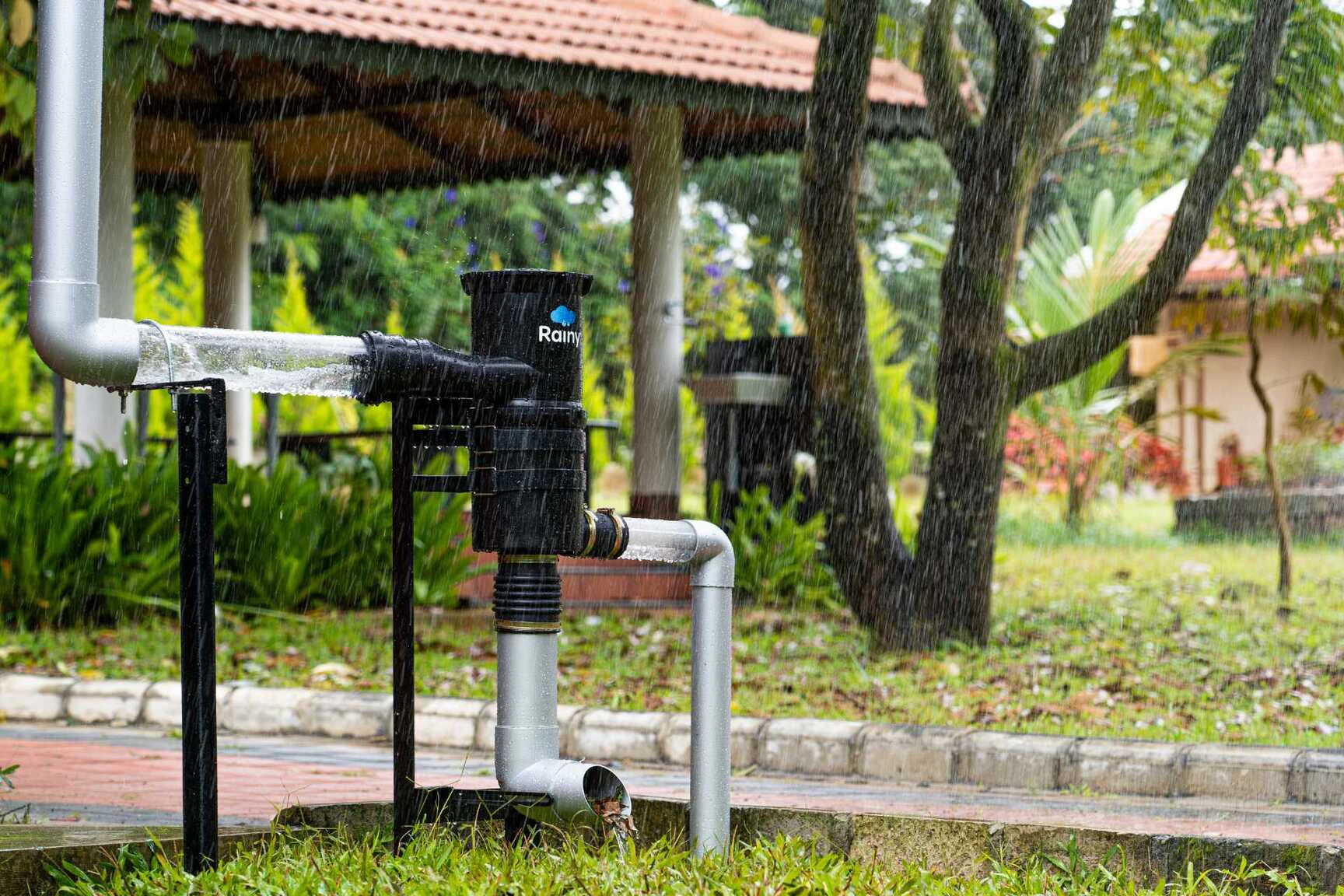
Officials indicate that each park will receive a dedicated recharge structure designed to channel rainwater into sub-surface aquifers rather than allowing runoff to overwhelm drains. The initiative comes as Chennai continues to balance two extremes: intense seasonal flooding and recurring water scarcity. By embedding rainwater harvesting parks into existing green spaces, the civic body is attempting to strengthen the city’s decentralised water management capacity. Engineers associated with the project say the systems will involve deep percolation pits integrated with ring-well mechanisms that enable filtered rainwater to seep into the ground. The structures will be positioned along natural slopes within parks to maximise inflow during showers. Protective screening will prevent leaves and debris from entering the pits, while routine cleaning protocols are expected to be built into maintenance contracts.
Urban water specialists note that Chennai’s groundwater table in several neighbourhoods lies relatively close to the surface, sometimes within a few feet. This makes recharge efforts technically feasible but also demands careful site assessment to avoid clogging or structural inefficiencies. Experts caution that many earlier rainwater harvesting installations across the city suffered from poor upkeep, leading to silt accumulation and reduced absorption capacity. The corporation has reportedly factored in multi-year maintenance provisions to address this risk. Beyond parks, the city is also piloting modular sponge systems in select playgrounds, using engineered subsurface blocks that temporarily store rainwater and allow gradual percolation. Such systems are increasingly seen as climate-adaptive tools in dense urban environments where impermeable surfaces dominate.
For a metropolis shaped by rapid real estate expansion and shrinking open land, rainwater harvesting parks serve a dual purpose. They protect public green assets from waterlogging while improving borewell quality in surrounding neighbourhoods. Improved groundwater recharge can also reduce dependence on distant water sources, cutting transport and energy costs in the long term. Urban planners view the initiative as part of a broader recalibration of civic infrastructure one that integrates parks, playgrounds and community spaces into the city’s water resilience strategy. As climate volatility intensifies, decentralised recharge systems embedded within neighbourhood-level assets could become central to Chennai’s adaptation blueprint. The next test will lie in execution quality and monitoring. If maintained effectively, these distributed recharge nodes may help stabilise local aquifers and demonstrate how public landscapes can double as climate infrastructure.