


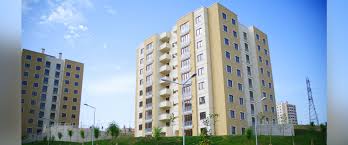
Chennai’s IT Corridor along Old Mahabalipuram Road (OMR) is increasingly shaping the city’s residential real estate landscape, emerging as a key driver of long-term housing demand. Stretching from Madhya Kailash to Siruseri, the corridor has transformed from a peripheral industrial belt into a dense employment and residential zone, offering a model of infrastructure-led urban growth that balances affordability with connectivity.
Industry analysts note that the corridor’s concentration of technology and engineering jobs, anchored by IT parks such as TIDEL Park, SIPCOT IT Park, and Siruseri SEZ, has generated structural housing demand. Professionals seeking proximity to workplaces have largely driven absorption, creating a market less susceptible to speculative swings. Senior real estate advisors highlight that end-user demand has helped maintain relative price stability even during broader market fluctuations. Infrastructure improvements have reinforced the corridor’s residential appeal. Road widening projects, signal-free junctions, enhanced bus services, and metro rail extensions linking OMR to central business districts and Madhavaram have reduced commute times across the city. Enhanced connectivity to Chennai International Airport via radial roads further supports the corridor’s viability for long-term housing. Urban planners indicate that proposed metro connectivity is likely to redistribute residential demand, similar to impacts observed in Bengaluru and Hyderabad’s employment corridors. The corridor also benefits from large, contiguous land parcels, allowing developers to implement planned residential communities and integrated townships.
Gated developments with multiple towers, larger-than-average units, landscaped open spaces, and co-working zones have become increasingly common, aligning with the preferences of nuclear families and dual-income households seeking long-term homes rather than temporary solutions. Affordability remains a key factor sustaining end-user demand. Compared with central and southern Chennai, OMR offers better price-to-space ratios, modern construction standards, and lower maintenance overheads. These factors have insulated the corridor from speculative volatility and attracted first-time buyers and upgraders. From an investment perspective, rental demand is strong, particularly for 2 BHK and 3 BHK units within gated communities, supported by a consistent influx of IT professionals. Analysts observe that rental yields remain stable and vacancy rates low, making the corridor attractive for patient, long-term investors. Beyond employment, social and retail infrastructure has expanded rapidly, including international schools, multi-specialty hospitals, shopping centres, and entertainment hubs. This has transformed OMR into a self-sustaining residential ecosystem, reducing dependence on older city districts for daily needs.
Looking forward, Chennai’s IT Corridor is expected to sustain its residential momentum, driven by metro connectivity, ongoing IT sector expansion, and limited availability of central city land. Urban planners note that this corridor exemplifies how employment density, infrastructure, and livability can combine to produce stable, long-term housing demand, offering a benchmark for sustainable urban development in Tier-1 Indian cities.
Also Read: Shamshabad Infrastructure Push Signals Urban Shift
Chennai OMR Emerges as Key Housing Hub
