Chennai North Residents Demand Infrastructure Overhaul
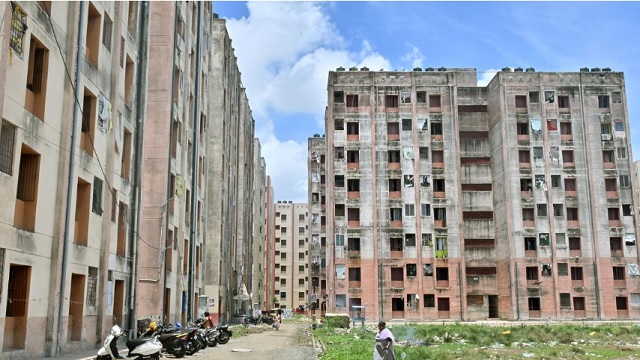
Civic groups in North Chennai have launched a coordinated push for large-scale urban reforms, citing decades of uneven development and environmental stress. Ahead of the state assembly elections, resident associations have compiled a comprehensive plan calling for upgraded infrastructure, expanded public transit, and ecological safeguards across industrial and residential areas. The proposals, formally presented to major political parties, emphasise a holistic North Chennai Development Plan. The framework combines participatory socio-economic research with targeted investment in transport, flood management, and public services. Experts note that the northern districts have historically borne the environmental and infrastructural costs of the city’s heavy industrial base, creating a pressing need for corrective planning.
Environmental concerns form a core component of the proposals. North Chennai hosts a dense concentration of petrochemical and heavy industries, which residents say have led to sustained exposure to pollutants, including ammonia and mercury. The charter identifies industrial zoning reforms, stringent ecological monitoring, and halting new Red Category projects such as proposed waste incinerators as urgent priorities. Additionally, plans to repurpose the 40-year-old Kodungaiyur dump site into a multi-use environmental park with research facilities align with international trends in circular urban development and climate-resilient land use.
Traffic congestion and public transport gaps also underpin the recommendations. Residents have called for elevated corridors, multi-level flyovers, and dedicated freight routes to decouple port logistics from city traffic. Extending Metro Rail phase II from Madhavaram to Ennore, coupled with suburban track upgrades on the Gummidipoondi line, is presented as a strategy to improve commuter efficiency and support sustainable urban mobility. Urban planners highlight that such transit integration could catalyse equitable economic growth while reducing emissions from road traffic. Flood management and water security are another central theme. The proposals advocate for the restoration of marshlands along the Kosasthalaiyar River, improved canal integration with sewage treatment infrastructure, and enhanced green buffer zones. Rejuvenation of key lakes is suggested to secure additional drinking water reserves, while opposition to port expansion in ecologically sensitive zones reflects a growing recognition of climate adaptation in urban planning.
Educational infrastructure is targeted for expansion, including proposals for new colleges in automotive engineering, law, and arts and sciences. Strengthening local schools and preventing closures are positioned as necessary steps to ensure inclusive growth for North Chennai’s youth. Taken together, the residents’ charter frames urban equity, environmental justice, and sustainable infrastructure as interconnected priorities. Analysts suggest that political attention to these proposals could accelerate climate-conscious and inclusive development in industrially dense urban zones, while also offering a blueprint for other Indian cities facing similar growth pressures.