


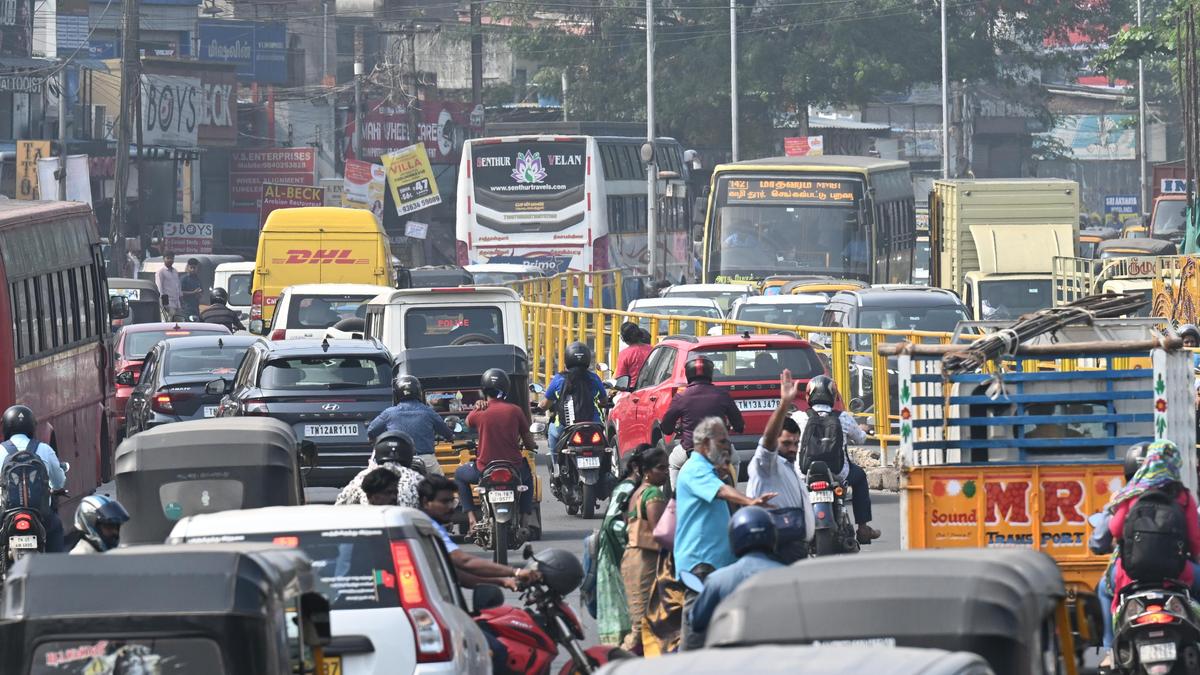
A new research initiative in Chennai is aiming to address one of the city’s most persistent environmental challenges—urban noise—through technology-driven solutions designed to monitor and reduce sound pollution.
The project, led by Indian Institute of Technology Madras, focuses on developing systems that can assess, predict, and mitigate noise levels across high-density urban areas. The effort, central to the Chennai noise pollution tech initiative, reflects growing recognition of noise as a public health and urban planning concern.Experts note that noise pollution in cities like Chennai is driven by multiple sources, including traffic congestion, construction activity, and mixed land-use patterns. Prolonged exposure to high decibel levels has been linked to stress, sleep disturbances, and other health issues, making it a critical but often overlooked aspect of urban sustainability.The Chennai noise pollution tech project is expected to leverage data analytics and sensor-based monitoring to map noise patterns in real time. Such insights can help authorities identify hotspots, enforce regulations more effectively, and design targeted interventions. Urban planners highlight that data-driven approaches are essential for managing complex environmental challenges in rapidly growing cities.From an infrastructure perspective, the initiative aligns with broader smart city strategies that integrate technology into urban governance. By embedding monitoring systems into city networks, officials can move from reactive enforcement to proactive planning—anticipating problem areas and implementing solutions before conditions worsen.
There are also implications for urban design.Identifying high-noise zones can inform decisions around zoning, traffic management, and building regulations. Measures such as sound barriers, improved road surfaces, and strategic placement of green buffers can help reduce noise levels over time.The economic dimension is equally relevant.Lower noise levels contribute to improved quality of life, which can enhance property values and make urban areas more attractive for investment. Businesses, particularly in sectors such as hospitality and healthcare, benefit from quieter environments that support customer experience and operational efficiency.However, experts caution that technology alone cannot resolve the issue. Effective implementation of the Chennai noise pollution tech initiative will require coordination between multiple agencies, public awareness, and enforcement of existing regulations.There is also a behavioural aspect. Reducing noise pollution involves changes in individual and collective practices, from responsible vehicle use to adherence to permissible sound levels during events and construction activities.As Chennai continues to urbanise, managing environmental externalities like noise will be critical to ensuring long-term liveability. The initiative led by Indian Institute of Technology Madras signals a move towards more integrated and technology-enabled approaches to urban challenges.
The success of the Chennai noise pollution tech project could serve as a model for other Indian cities facing similar issues, demonstrating how innovation can support the transition towards healthier and more sustainable urban environments.
Also Read:Chennai Egmore Foot Overbridge To Improve Connectivity
