Chennai’s public health researchers are exploring a biological approach to mosquito control that could reduce reliance on chemical spraying in dense urban neighborhoods.
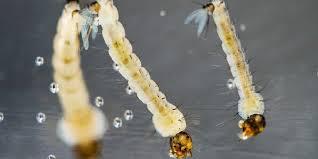
A recent field study conducted across several parts of the city has found that a naturally derived insecticide may significantly reduce mosquito breeding inside household water storage tanks, a common source of vector-borne diseases in tropical cities.The study examined the effectiveness of a biolarvicide developed from a naturally occurring soil bacterium. When introduced into water containers, the compound targets mosquito larvae before they mature into adult insects capable of spreading diseases such as malaria. Researchers found that the treatment remained effective for several weeks, offering a potentially longer-lasting intervention compared to some conventional control methods.
Urban health specialists say the findings could contribute to improving Chennai mosquito control strategies, particularly in neighborhoods where water storage practices create favorable breeding conditions for mosquitoes. In many Indian cities, intermittent water supply means residents store water in tanks, sumps and containers, inadvertently creating habitats where disease-carrying mosquitoes can multiply.The field trials were carried out in multiple northern zones of Chennai where vector-borne disease risks are periodically reported. Scientists tested several formulations of the biological treatment, including tablet, granular and liquid forms, to evaluate their effectiveness across different seasons. According to researchers involved in the project, the slow-release tablet formulation demonstrated the most consistent results, maintaining significant reduction in mosquito larvae over an extended period.Public health experts emphasis that improving Chennai mosquito control requires a combination of strategies rather than reliance on a single solution. Municipal programmes typically include removing stagnant water sources, applying larvicides in water bodies, and conducting insecticide fogging during outbreaks. However, concerns about chemical exposure and insect resistance have encouraged researchers to explore alternative approaches.
Biological larvicides derived from natural microorganisms are increasingly being studied worldwide as part of environmentally responsible pest management systems. Such solutions target mosquito larvae while having minimal impact on other organisms when applied correctly. For cities facing rising public health pressures linked to climate variability and rapid urbanization, these methods may offer more sustainable vector management tools.Urban planners note that mosquito control is closely linked to broader issues of sanitation, drainage infrastructure and water management in growing metropolitan areas. Uncovered tanks, poorly maintained drains and construction sites can all contribute to mosquito breeding if preventive measures are not consistently implemented.
Researchers involved in the Chennai study caution that biological treatments should complement, rather than replace, essential public health measures such as sanitation improvements and regular inspection of water storage systems. Integrating scientific innovations with community awareness and municipal infrastructure management will be critical to long-term success.As climate conditions and urban density continue to influence mosquito-borne disease risks, experts believe cities like Chennai may increasingly adopt integrated vector management strategies that combine environmental planning, scientific research and public health interventions.
Chennai Public Health Study Targets Urban Mosquito Breeding.