


Chennai’s journey towards digital-first mobility has received a boost with the restoration of WhatsApp ticketing for Metro commuters after a temporary disruption earlier this week. Officials confirmed that the chatbot-based ticketing platform is fully operational again, reaffirming the city’s focus on technology-driven, eco-friendly travel solutions.
The WhatsApp-based ticketing system, available on the number 8300086000, allows passengers to purchase QR-code tickets instantly, avoiding queues at stations and reducing dependence on paper tickets. The feature, launched as part of the Metro’s larger effort to digitise services, had faced a technical glitch that rendered it non-functional for a brief period. Authorities had advised commuters to opt for alternative channels during that time. With the glitch now resolved, officials are encouraging passengers to resume digital ticketing through WhatsApp, emphasising that such solutions not only ease the commuter experience but also contribute to sustainable transit practices. “Digital ticketing reduces the need for printed tokens and paper receipts, minimising environmental impact and aligning with green mobility goals,” an official said.
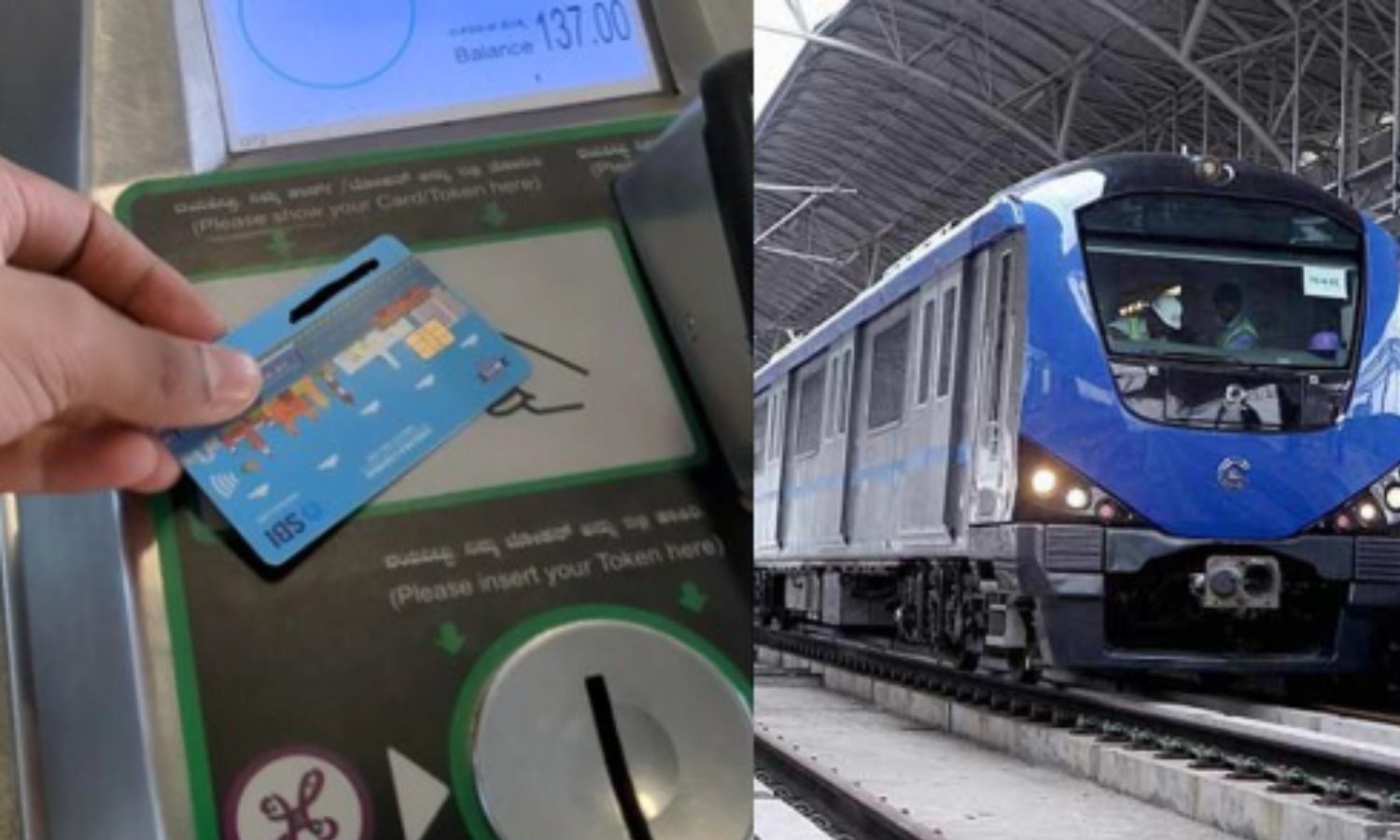
The WhatsApp ticketing service is part of a broader ecosystem of digital options offered by Chennai Metro. Commuters can also purchase tickets through static QR codes, the official mobile app, and third-party payment platforms like Paytm and PhonePe. Additionally, the Singara Chennai Card—introduced as a reloadable smart card—offers seamless travel across the Metro system and is designed to further reduce single-use ticketing. Traditional counters at stations continue to serve passengers who prefer in-person transactions, ensuring inclusivity across age groups and demographics. Transport experts noted that disruptions in digital systems are not uncommon but stressed the importance of quick recovery. In this case, Chennai Metro’s prompt restoration reflects its increasing reliance on technology to meet the demands of a rapidly urbanising city. Analysts believe that the adoption of mobile-based ticketing will continue to grow as smartphone penetration deepens and citizens seek faster, contactless, and sustainable transit solutions.
Chennai Metro’s push towards smart ticketing mirrors global trends in urban mobility, where cities are moving away from physical ticketing infrastructure to digital-first, zero-carbon operations. Such transitions, when scaled across India’s growing metro network, could have significant environmental benefits, reducing plastic and paper waste while cutting the carbon footprint associated with ticketing logistics. As digital platforms become central to urban transport, ensuring robust back-end systems and user-friendly experiences will be critical to public trust. For now, commuters in Chennai can once again rely on WhatsApp ticketing as the city continues to integrate sustainability, inclusivity, and innovation into its mobility framework.
Also Read : Mumbai Metro Lines 4 and 4A electrification begins from August 30
