Chennai Metro Rail Funding Accelerates Network Growth
Chennai’s mass transit network is set for a significant expansion after a multilateral lender approved fresh funding to extend metro corridors, reinforcing the city’s push towards cleaner, safer, and more inclusive urban mobility.
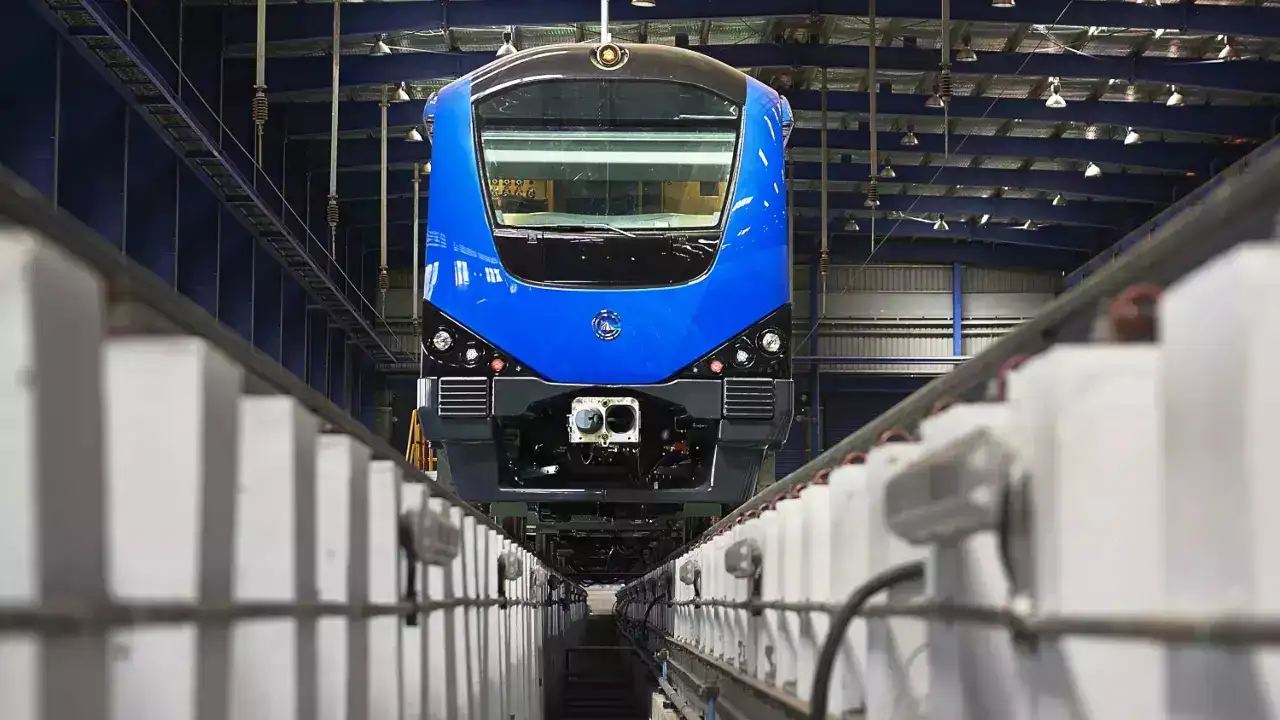
The Asian Development Bank has cleared a loan of USD 240 million for the second phase of the Chennai Metro Rail Investment Project, supporting new sections across Lines 3, 4, and 5. The financing forms part of a larger multi-year funding arrangement aimed at strengthening public transport in one of India’s fastest-growing metropolitan regions. For Chennai, the investment arrives at a time when traffic congestion, air quality concerns, and climate risks are reshaping how cities plan mobility infrastructure. An official familiar with the project said the latest tranche will fund around 20 kilometres of elevated and underground metro corridors, along with 18 new stations designed with universal access and climate-resilient features. These stations are expected to improve connectivity across residential, commercial, and employment hubs, particularly in rapidly urbanising corridors such as the IT and industrial belts.
Urban transport experts say the Chennai metro expansion is critical to reducing dependence on private vehicles. “Every additional kilometre of reliable metro connectivity can shift thousands of daily trips away from cars and two-wheelers,” an industry expert noted, adding that mass rapid transit plays a central role in cutting urban emissions while improving road safety. Beyond track construction, the project places emphasis on integration. Funding will support upgrades at interchange points to allow smoother transfers between metro services, buses, bicycles, and other last-mile options. Such multimodal planning is increasingly viewed as essential for equitable access, especially for lower-income commuters and women who rely heavily on public transport for daily travel. The programme also includes measures to enhance passenger safety and comfort. Stations will incorporate inclusive design elements to support elderly users, people with disabilities, and parents travelling with children. Officials said additional efforts are being made to improve safety for women commuters through better lighting, surveillance, and station layouts.
Financial sustainability is another focus area. The funding package supports initiatives to strengthen non-fare revenue streams, such as commercial development around stations, helping reduce long-term pressure on public finances. Construction under this phase is expected to be completed by mid-2028. As Chennai continues to expand, planners argue that transport investments must align with broader goals of compact growth, climate resilience, and social inclusion. If executed well, the Chennai metro expansion could serve as a template for how Indian cities balance infrastructure growth with the need for low-carbon, people-centric urban development.
Chennai Metro Rail Funding Accelerates Network Growth