


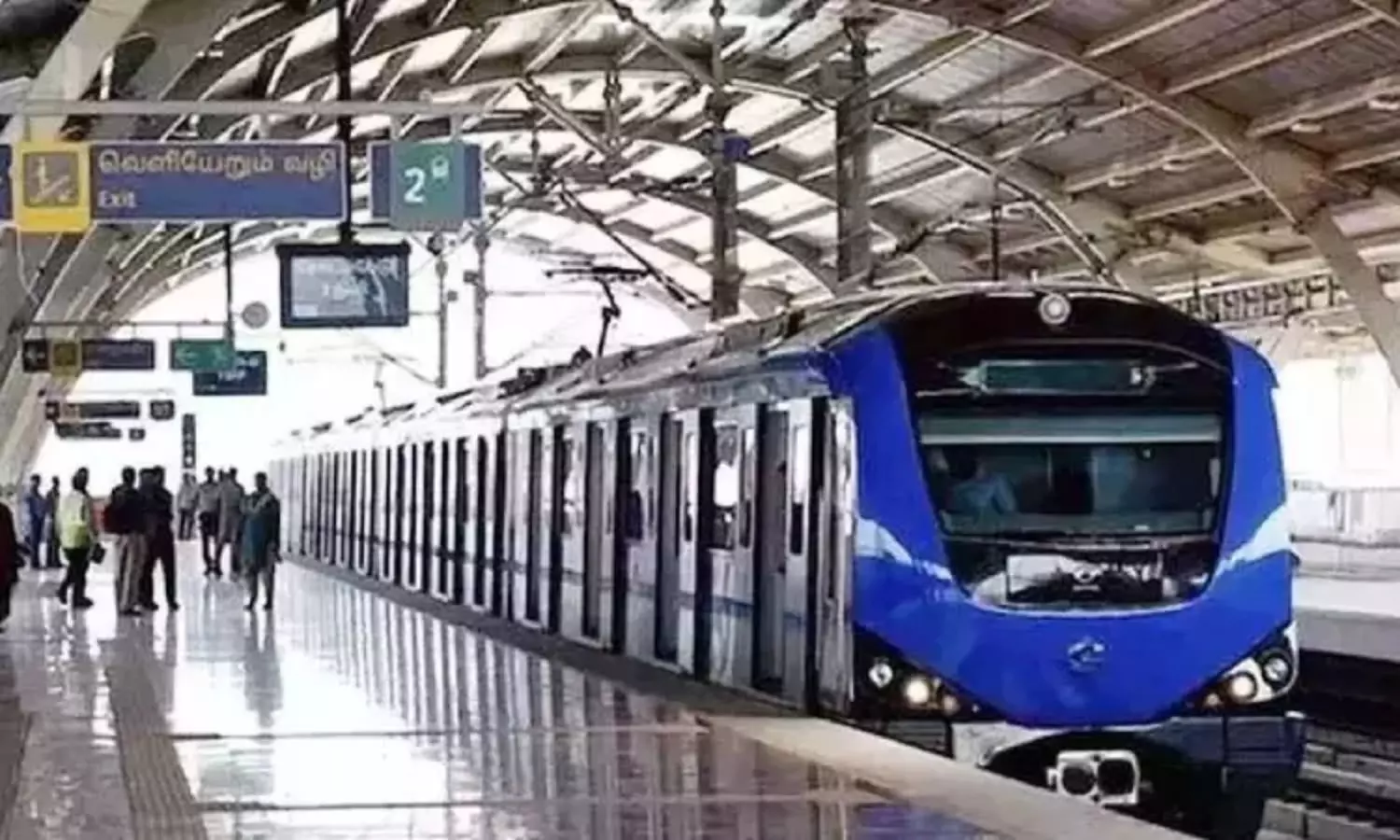
Chennai Metro Rail has introduced bi-directional ticketing gates at high-footfall stations in the city. These smart gates, which can switch between entry and exit modes based on real-time demand, mark a key step in enhancing commuter experience across the Phase I network. Installed at Thousand Lights, Government Estate and AG-DMS stations, these gates are expected to significantly reduce bottlenecks and improve the overall operational fluidity of the network. Officials from Chennai Metro Rail confirmed that similar installations are being considered for other major stations such as Chennai Airport, Guindy and Tirumangalam, where passenger flow often spikes during specific times of day.
The city’s Phase I metro network spans 45 kilometres and is equipped with 20 automatic fare collection gates at each station. Traditionally, these gates are divided into dedicated entry and exit points, a structure that has struggled to adapt to hourly fluctuations in passenger volume. This limitation is most visible during peak travel times when the directional flow of commuters shifts rapidly — especially at business hubs like Thousand Lights. On weekdays, Thousand Lights Metro station, which handles nearly 17,000 passengers daily, experiences heavy exit loads between 8:00 am and 9:30 am as office-goers alight. The reverse happens during the evening between 5:30 pm and 6:30 pm when return traffic surges. The newly deployed bi-directional gates are designed to adapt to such cyclical traffic, allowing authorities to switch modes instantly and allocate gates as per need.
Transport planning experts say this model brings long-term benefits for cities transitioning towards sustainable urban mobility. Not only do such flexible systems optimise infrastructure usage, but they also contribute to better energy efficiency by reducing overcrowding and associated energy overheads like longer escalator runtimes or extended train dwell times. While the initiative has been widely welcomed by regular commuters, some have pointed out that the success of such smart infrastructure also depends on complementary upgrades. Many passengers have expressed the need for more escalators connecting street level to the concourse, especially at busy stations, to further ease vertical movement and ensure universal access.
Chennai Metro Rail’s approach to crowd management reflects a growing awareness in Indian urban transit systems about the importance of responsive infrastructure that can evolve with commuter needs. The deployment of bi-directional gates demonstrates a shift towards more intelligent, passenger-centric design — essential for cities striving to build equitable, sustainable, and future-ready transit solutions. Though currently limited to a few stations, the success of this model could see a wider rollout across the Chennai Metro network. If executed at scale, this innovation has the potential to reduce platform congestion, improve safety, and increase operational efficiency — all critical parameters in the long-term vision for a low-carbon, commuter-friendly urban transport system.
Also Read : Metro Line 10 Set To Transform Mira Bhayandar Connectivity Soon
