Chennai Metro Phase Two Vadapalani Access Challenges
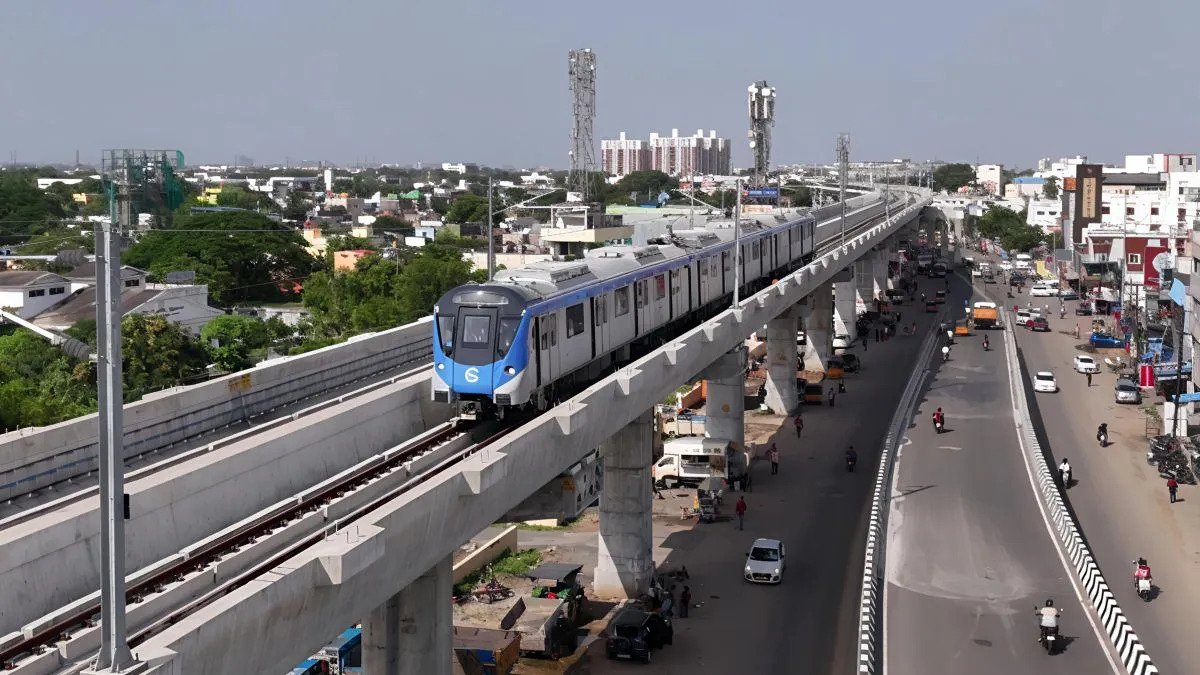
Chennai commuters preparing for phase-two metro may face access hurdles at Vadapalani station, highlighting infrastructure gaps and urban mobility concerns. The new stretch connecting Poonamallee Bypass to Vadapalani is set to launch soon, but incomplete entry and exit infrastructure could complicate travel for daily passengers. This raises broader questions about accessibility, last-mile connectivity, and inclusive urban design in rapidly expanding transport networks.
The phase-two station is located on Arcot Road, while the existing phase-one station remains on 100-Feet Road. A skywalk currently links the two, but independent ground-level access for the new station will not be operational at launch. Passengers may need to traverse the skywalk, navigate multiple staircases, and ascend through several levels before reaching platforms. Officials confirm that a separate staircase near the Vadapalani police station is under construction but will remain unavailable during initial operations.
Urban planners note that such arrangements could disproportionately impact vulnerable commuter groups, including elderly passengers, those with mobility challenges, and travellers carrying luggage. “Stations are not merely transit points; they are public spaces that must prioritise ease of movement and safety,” says a senior transport analyst. Accessibility shortcomings at major metro stations can deter public transport usage, undermine operational efficiency, and reduce the projected economic and environmental benefits of urban mass transit systems. The phased integration of infrastructure also reflects broader challenges in Chennai’s transport planning. Coordinating construction timelines, especially in dense urban corridors, is complicated by land acquisition issues, existing road networks, and ongoing development pressures. From an economic standpoint, delays in functional accessibility may affect footfall to nearby retail and commercial areas, influencing local microeconomies and real estate activity along transit corridors.
Experts highlight that this scenario underlines the importance of people-first station design. Cities aiming for sustainable, climate-resilient growth must incorporate universal access features ramps, escalators, and optimised pedestrian flows early in project planning. While the metro expansion offers long-term mobility gains, temporary constraints may shape commuter experience and public perception, affecting ridership uptake and broader urban transport goals. Authorities have indicated that full access points will be completed in subsequent months. Meanwhile, monitoring passenger flows, providing temporary mobility aids, and clear signage could mitigate immediate inconveniences. The situation underscores the delicate balance urban administrations must maintain between rapid infrastructure expansion and delivering truly inclusive, user-friendly public transit.