Chennai Metro Phase Two Corridor Four Safety Review
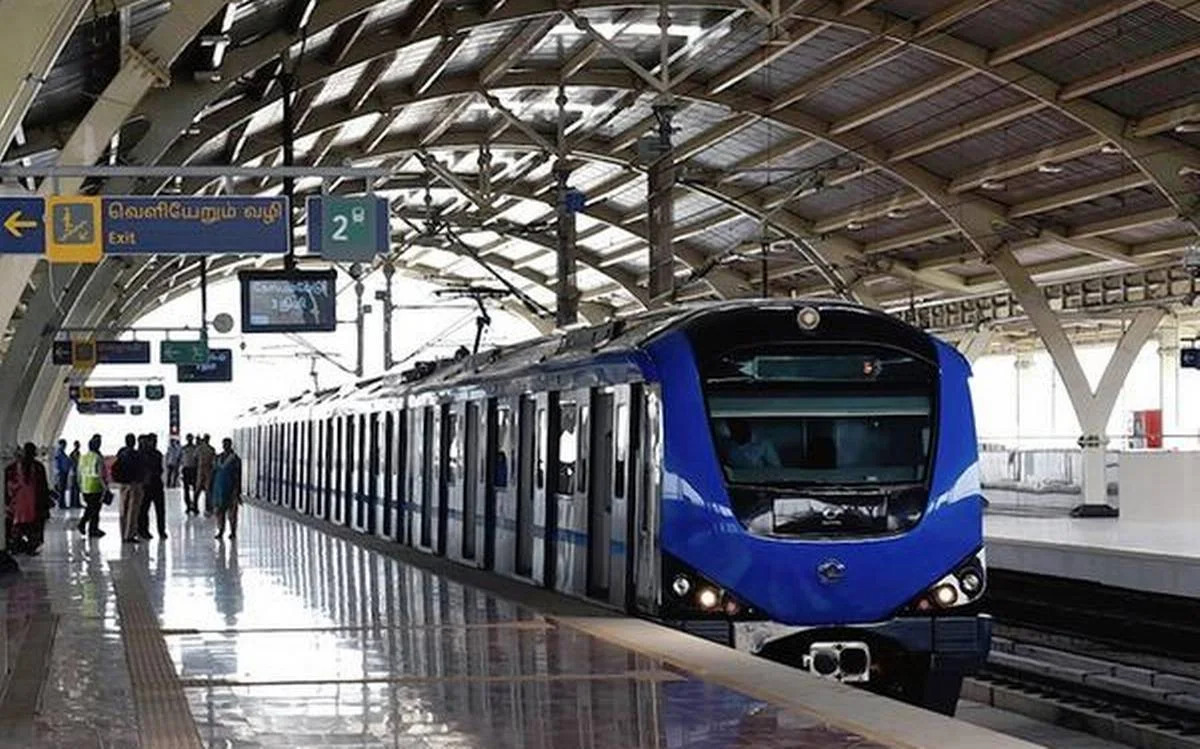
Chennai Metro Rail Limited (CMRL) has commenced a comprehensive safety inspection for Corridor Four of its Phase Two expansion, signalling a crucial step towards operational readiness. The assessment, overseen by the Commissioner of Metro Rail Safety (CMRS), evaluates the corridor’s infrastructure, signalling systems, and compliance with regulatory standards before any passenger services are introduced. The outcome will determine the timeline for trial runs and eventual integration with the existing network, marking a significant milestone for Chennai’s urban transit capacity.
The CMRS inspection covers multiple facets of metro operations, including track quality, station facilities, communication networks, power supply, and train control systems. Maintenance protocols, emergency response preparedness, and staff training records are under detailed review, reflecting the regulator’s focus on operational safety and risk mitigation. Independent technical auditors are also involved, ensuring that the corridor’s design parameters and life-safety measures meet statutory requirements and are interoperable with Phase One operations.
Urban planners and transport analysts suggest that Corridor Four’s readiness is closely linked to broader city infrastructure and sustainable mobility objectives. By extending the metro footprint, Chennai aims to provide a low-carbon alternative to private vehicle use, reducing urban congestion and greenhouse gas emissions. The inspection process also tests the metro’s ability to integrate with last-mile connectivity solutions and passenger information systems, which are critical for inclusive and people-first transit access across diverse neighbourhoods. Economic observers note that the corridor’s commercial operations could stimulate local property markets and commercial activity along the route. Stations are being evaluated not only for technical readiness but also for accessibility, emergency egress, and commuter flow management, ensuring equitable urban mobility. Training of operational staff on signalling protocols and emergency coordination reflects growing emphasis on professionalised, resilient urban infrastructure that can respond effectively to high passenger volumes and unexpected contingencies.
Officials report that trial operations will simulate real-world conditions, including timetable adherence, platform alignment, and signalling performance under load. This phased approach allows authorities to address deficiencies before full passenger services commence, maintaining regulatory compliance while minimising safety risks. The inspection aligns with Chennai’s broader push towards climate-resilient and sustainable urban development, embedding operational safety, energy efficiency, and network reliability into the city’s rapidly expanding transit ecosystem. As the inspection progresses, public communication initiatives are expected to familiarise commuters with safety protocols and station access, promoting a smoother transition to commercial service. Analysts emphasise that completion of this certification will not only enhance urban mobility but also support Chennai’s long-term goals of inclusive, low-carbon, and resilient city growth.