


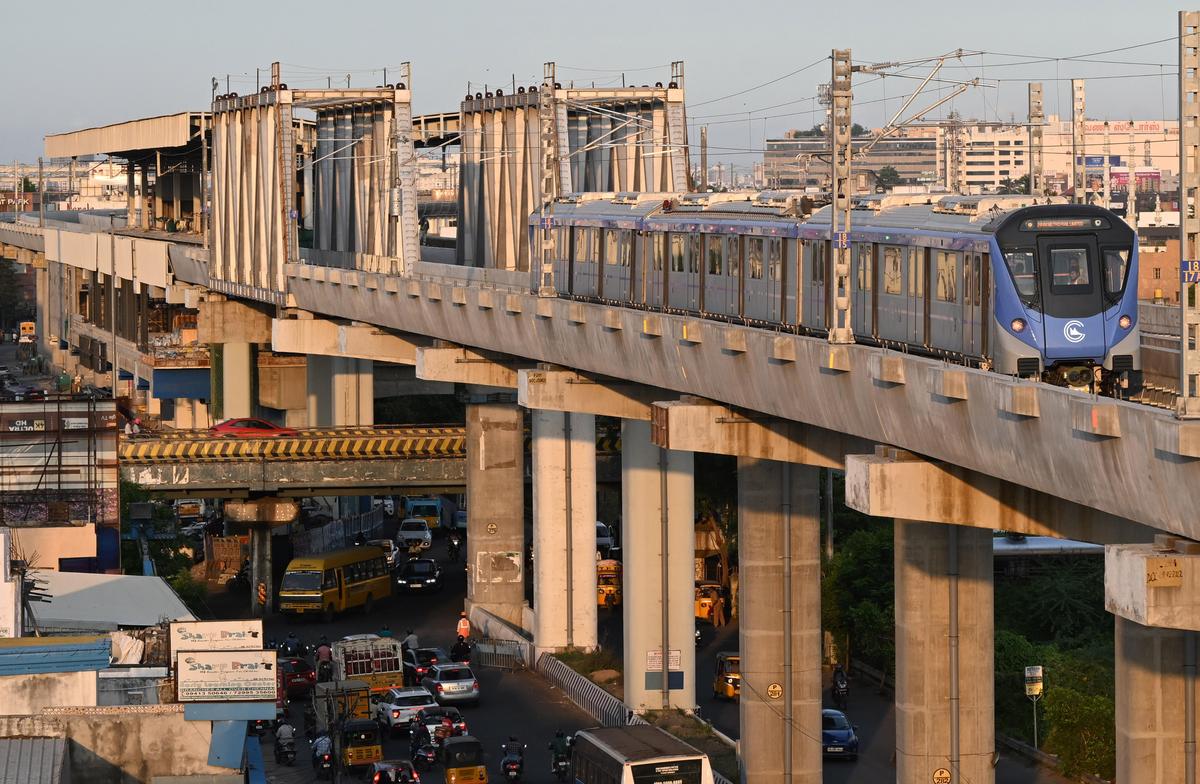
Chennai’s expanding metro network is set to introduce improved passenger amenities, with plans to include washroom facilities within the paid areas of stations in its upcoming Phase II corridors.
The move reflects a broader shift towards commuter-centric design in urban transit systems.The initiative, led by Chennai Metro Rail Limited, is part of efforts to enhance the usability and inclusivity of metro infrastructure. The addition is central to the Chennai Metro Phase II facilities, addressing a long-standing gap in many Indian public transport systems where essential amenities are often located outside ticketed zones.Urban mobility experts note that integrating facilities within paid areas can significantly improve convenience, particularly for long-distance commuters and those making interchanges between lines. It reduces the need for passengers to exit and re-enter stations, saving time and improving overall travel experience.The Chennai Metro Phase II facilities also highlight evolving standards in transit-oriented development. As metro networks expand, stations are increasingly being designed as multifunctional spaces that prioritise accessibility, comfort, and user experience alongside operational efficiency.From a gender and inclusivity perspective, the inclusion of well-maintained washrooms is a critical improvement. Access to clean and safe sanitation facilities is essential for women, elderly passengers, children, and persons with disabilities. Such measures contribute to making public transport more equitable and user-friendly.There is also a public health dimension.
Proper sanitation infrastructure within transit systems can improve hygiene standards and reduce health risks, particularly in high-footfall environments where thousands of passengers pass through daily.The decision aligns with global best practices in metro design, where passenger amenities are integrated into station planning from the outset. In contrast, many older systems in India have had to retrofit such facilities, often facing space and design constraints.From an economic standpoint, improved passenger experience can encourage greater adoption of public transport, reducing dependence on private vehicles. This, in turn, can help ease congestion, lower emissions, and support sustainable urban mobility goals.Urban planners emphasise that such upgrades must be complemented by effective maintenance systems. The long-term success of the Chennai Metro Phase II facilities will depend on consistent upkeep, cleanliness, and accessibility, ensuring that infrastructure investments translate into tangible benefits for users.The move also reflects a broader trend in Indian cities towards enhancing the quality of public infrastructure. As urban populations grow, the focus is shifting from merely expanding capacity to improving service standards and user satisfaction.Officials indicate that the inclusion of these amenities is part of a comprehensive design approach for Phase II, which covers multiple corridors aimed at improving connectivity across Chennai. The expanded network is expected to play a key role in shaping the city’s future mobility landscape.
As Chennai continues to invest in its metro system, the emphasis on passenger-centric features underscores the importance of designing infrastructure that meets the everyday needs of commuters. The integration of essential amenities within transit spaces marks a step towards more inclusive, efficient, and sustainable urban transport systems.
Also Read:Kolkata Real Estate Growth Gains Spotlight At Conclave
