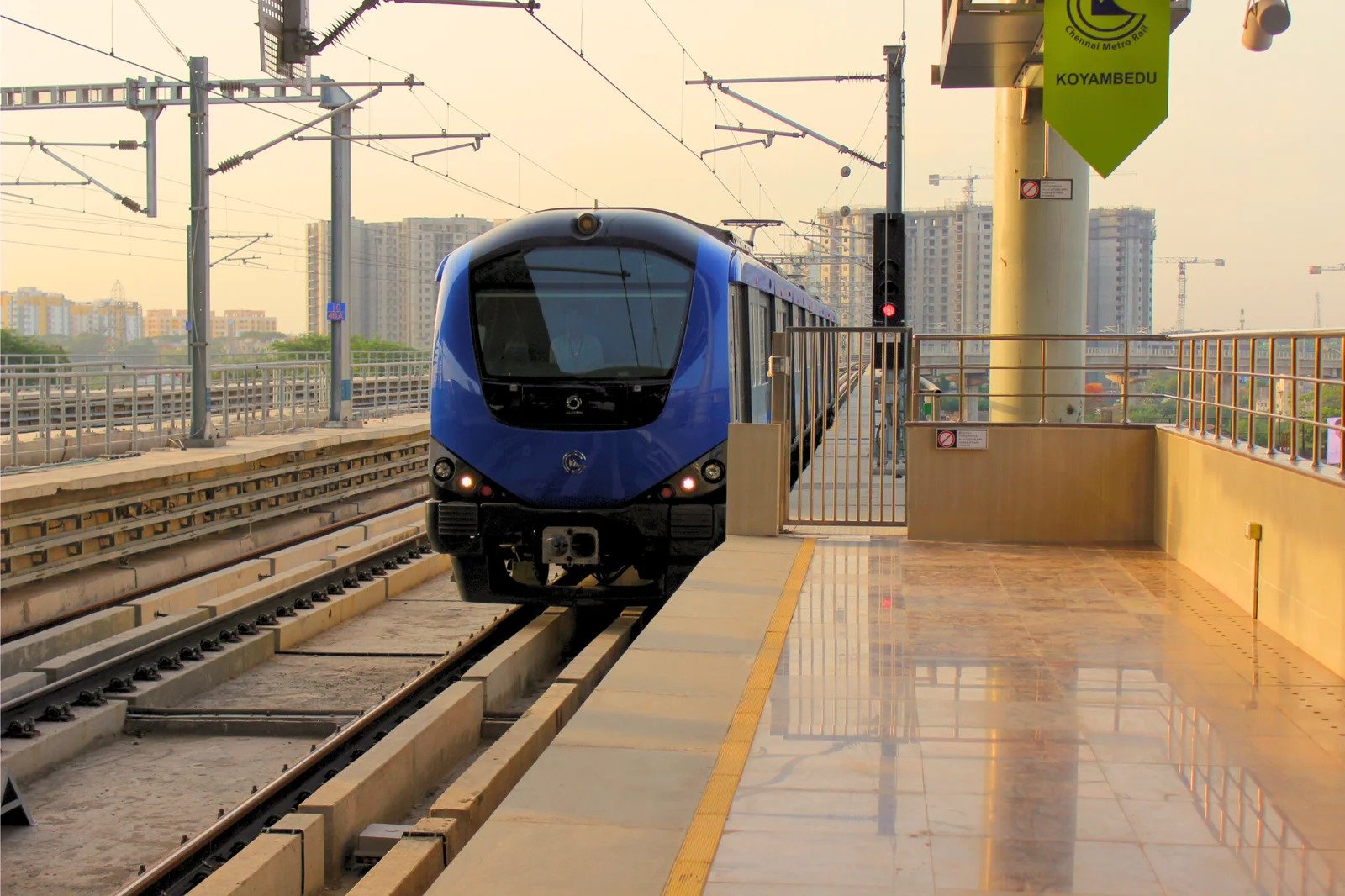
Chennai’s public transport grid is set for a significant upgrade as the Metropolitan Transport Corporation advances plans to introduce 220 electric feeder buses designed to connect residential neighbourhoods and commercial pockets to metro stations. The move is expected to improve first and last-mile access to the rail system while strengthening the city’s shift towards lower-emission mobility. The proposed fleet will consist of compact five-metre and seven-metre low-floor buses, tailored for manoeuvrability across narrow inner-city streets and dense corridors. Transport officials indicate that the design responds to long-standing commuter challenges in reaching metro stations from interior localities where larger buses struggle to operate efficiently.
Urban planners note that limited first-mile connectivity has often curtailed metro ridership growth despite heavy public investment in rail infrastructure. By deploying electric feeder buses on targeted routes, authorities aim to create seamless mobility chains between homes, workplaces and transit hubs. This integrated approach is seen as essential for maximising the economic and environmental returns of Chennai’s expanding metro network. Accessibility considerations have also shaped the procurement strategy. The low-floor configuration is expected to enable safer boarding for elderly passengers, persons with disabilities and caregivers travelling with children. In a city where transport equity remains uneven across neighbourhoods, such features can widen public transport participation, particularly for women and vulnerable groups who rely heavily on reliable, affordable mobility.
The adoption of electric feeder buses signals a broader recalibration of Chennai’s transport priorities. Road congestion and vehicular emissions continue to strain air quality and productivity in several arterial corridors. Transitioning feeder services to electric propulsion could help reduce localised pollution while lowering operating costs over time, especially if paired with renewable energy sourcing for charging infrastructure. Industry analysts suggest that smaller-format electric buses are emerging as a practical solution for Indian metros, where urban morphology often limits the effectiveness of conventional full-sized fleets. By investing in right-sized vehicles, Chennai’s transport authorities appear to be aligning service design with ground realities rather than simply expanding capacity.
The initiative also carries implications for real estate and land use. Improved feeder connectivity tends to enhance property values and commercial activity around metro catchments. Developers and urban economists argue that reliable neighbourhood-level links can stimulate mixed-use growth and reduce car dependency in emerging corridors. Implementation timelines, charging infrastructure readiness and route planning will determine how quickly the benefits materialise. If executed effectively, the electric feeder buses could strengthen Chennai’s case as a city willing to pair mass transit expansion with climate-conscious surface transport, a necessary step as Indian metros confront the twin pressures of rapid urbanisation and decarbonisation.