


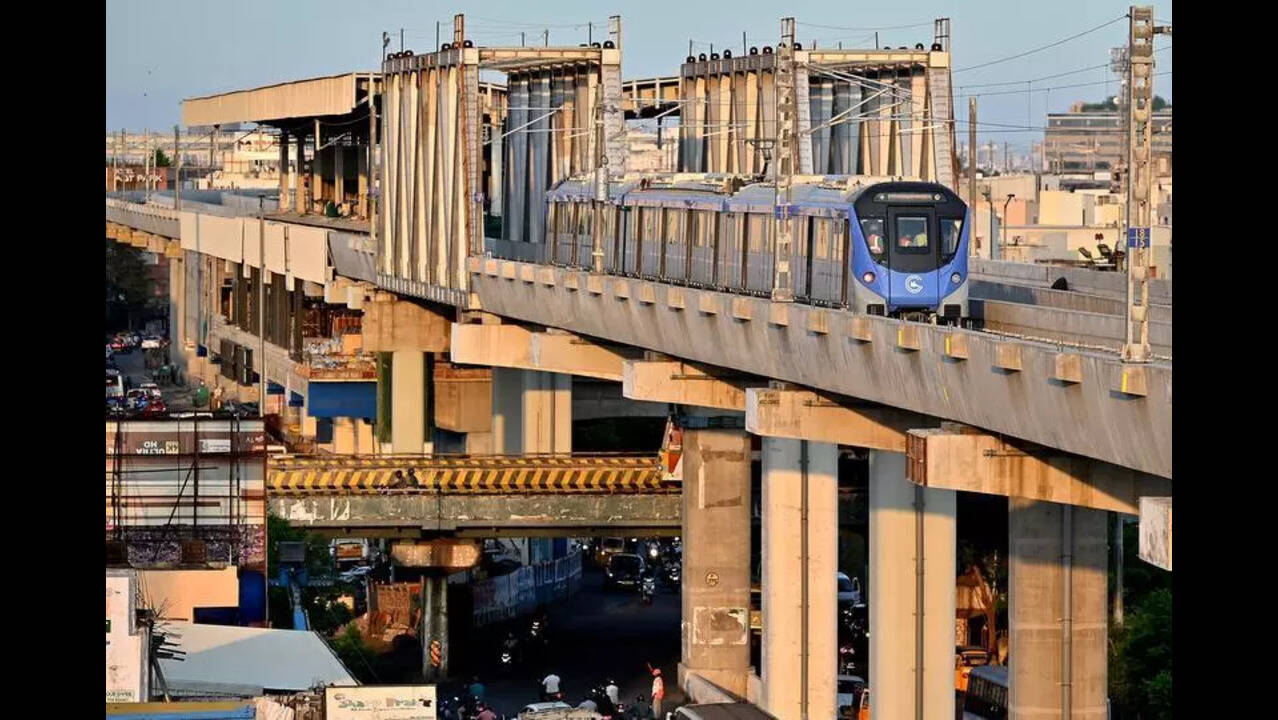
Chennai’s metro rail network is advancing efforts to strengthen station accessibility and operational reliability through a fresh tender focused on maintaining lifts and escalators across its corridors.
The move reflects a growing emphasis on ensuring seamless vertical mobility within transit systems, a critical factor in enhancing commuter experience and inclusivity in dense urban environments.Officials overseeing metro operations indicate that the maintenance contract will cover routine servicing, emergency repairs, and performance monitoring of vertical transport systems installed at stations. These assets are essential for facilitating passenger movement, particularly for the elderly, persons with disabilities, and commuters carrying luggage during peak hours.As metro networks expand in cities like Chennai, the reliability of such infrastructure becomes central to overall system efficiency.Malfunctioning escalators or lifts can disrupt passenger flow, increase congestion on platforms, and compromise safety standards.By proactively investing in upkeep, transit authorities aim to minimise downtime and maintain consistent service levels.The initiative also highlights the evolving priorities of urban transport agencies, where maintenance is increasingly recognised as a core component of infrastructure planning rather than a secondary function.Experts note that lifecycle management of assets—covering installation, monitoring, and timely upgrades—is essential for ensuring long-term sustainability and cost efficiency.
From a broader urban development perspective, well-maintained metro systems contribute to more inclusive mobility.Accessible stations encourage greater public transport adoption, reducing dependence on private vehicles and supporting climate goals.In cities facing traffic congestion and air quality challenges, strengthening metro infrastructure can play a key role in shifting commuter behaviour.The tender is expected to attract specialised firms with expertise in elevator and escalator systems, potentially driving improvements in service quality through competitive bidding.Industry observers suggest that integrating digital monitoring tools, predictive maintenance technologies, and real-time reporting systems could further enhance operational efficiency.There are also economic implications tied to such investments. Maintenance contracts generate employment opportunities in technical services and support sectors, while ensuring that high-value public infrastructure continues to deliver returns through reliable operations.Urban planners emphasise that as cities scale up mass transit systems, attention must extend beyond expansion to include sustained performance. Reliable vertical mobility is a foundational element of user-centric design, ensuring that metro systems remain accessible to all segments of the population.
As Chennai continues to build out its transit network, the focus on maintaining lifts and escalators signals a maturing approach to infrastructure governance—one that prioritises durability, inclusivity, and commuter convenience. The success of such initiatives will depend on consistent execution and the integration of modern maintenance practices into everyday operations.
Also Read:Chennai Mid Weight EV Strategy Gains Industry Focus
