


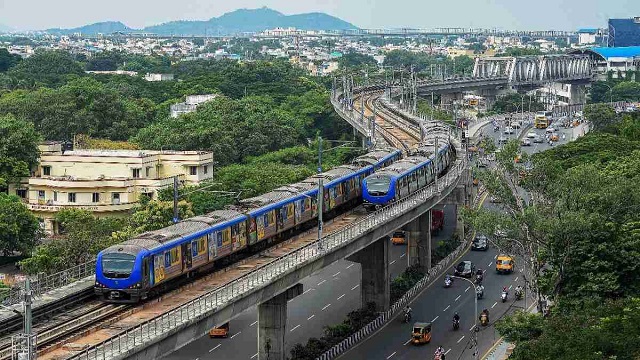
Chennai’s urban transit strategy is entering a new phase as metro authorities move to develop multimodal hubs within a defined catchment of stations, aiming to streamline last-mile connectivity and reduce dependence on private vehicles.
The plan focuses on creating integrated access points within a 500-metre radius of metro corridors, a shift that could significantly influence commuting patterns and land use across the city.At the core of the initiative is the concept of Chennai metro hubs, designed to connect multiple transport modes—such as buses, shared mobility, pedestrian pathways, and non-motorised options—within walking distance of metro stations. Officials indicate that the approach is intended to close critical gaps between high-capacity rail systems and neighbourhood-level mobility, an issue that has historically limited public transport adoption in Indian cities.
Urban mobility experts say the success of metro systems increasingly depends on what happens beyond station entry points. Without reliable last-mile options, commuters often revert to personal vehicles, undermining the environmental and economic benefits of mass transit. By prioritising Chennai metro hubs, planners aim to improve accessibility, reduce travel time uncertainty, and create a more predictable commuting experience.The initiative also aligns with broader sustainability goals. Encouraging walking, cycling, and shared transport within a compact radius can lower emissions, ease congestion, and reduce pressure on urban road networks.
Planners highlight that such hub-based development can support transit-oriented growth, where residential and commercial activity clusters around public transport nodes, reducing the need for long-distance travel.From a real estate perspective, the introduction of structured multimodal zones is expected to influence property demand and pricing near metro corridors. Industry observers note that improved connectivity often translates into higher land value, particularly in emerging micro-markets. However, they caution that balanced planning will be essential to prevent speculative spikes and ensure affordability for diverse income groups.
The implementation of these hubs will require coordinated efforts across multiple agencies, including transport authorities, municipal bodies, and urban planners. Challenges such as space constraints, informal transport integration, and pedestrian safety will need careful attention. A senior planning official indicated that design frameworks are being developed to ensure uniformity while allowing flexibility based on local conditions.Importantly, the initiative reflects a shift towards people-centric urban planning. By focusing on accessibility within a short walking distance, the city is moving towards a model that prioritises convenience, inclusivity, and safety. This is particularly relevant for women, elderly commuters, and those without access to private vehicles, who often face disproportionate barriers in navigating urban transport systems.
As Chennai expands its metro network, the effectiveness of these hubs will play a crucial role in determining ridership growth and long-term viability. If executed well, the model could serve as a template for other Indian cities seeking to build integrated, low-carbon mobility systems.
Also Read:Chennai Athlete Rise Signals Urban Sports Growth
