


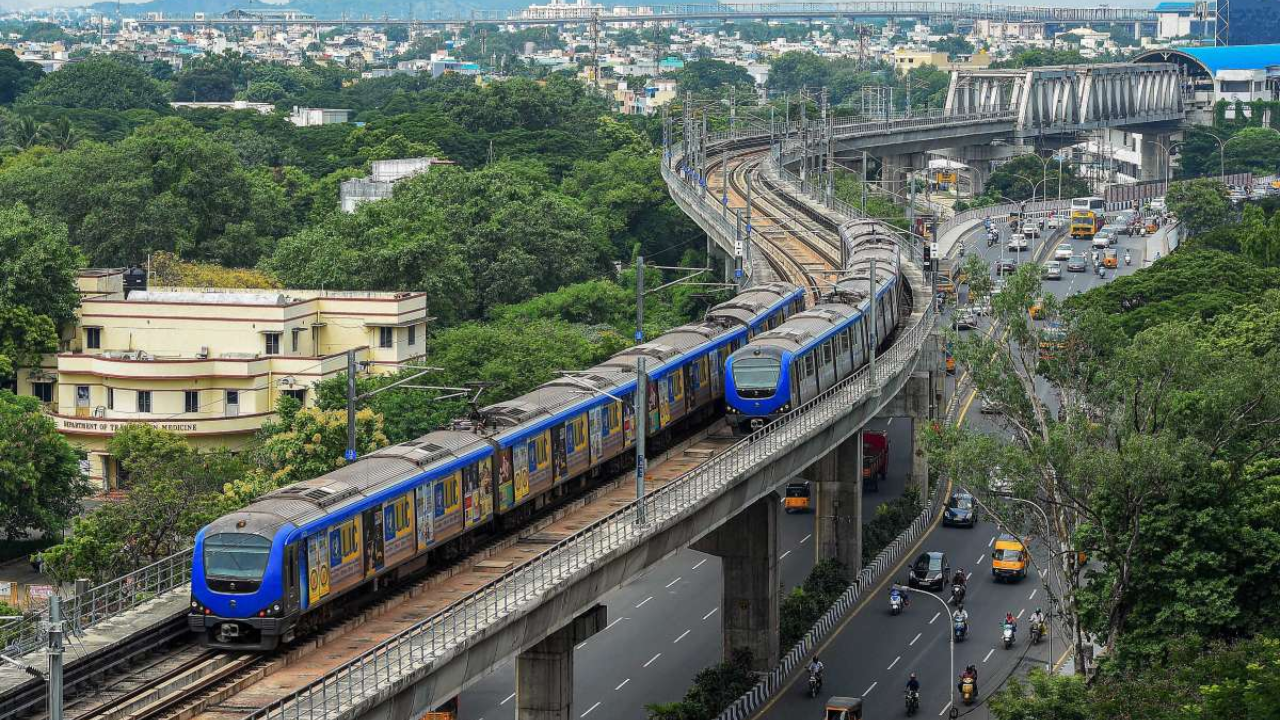
Chennai is preparing to transform areas surrounding key metro stations into integrated transport zones, with authorities planning multimodal hubs within a 500-metre radius of several stations.
The initiative is expected to improve last-mile connectivity, reduce reliance on private vehicles and reshape how commuters access public transport across the city.The plan, led by Chennai Metro Rail Limited, focuses on creating seamless links between metro services and other modes such as buses, suburban rail, shared mobility and pedestrian pathways. By reconfiguring the immediate catchment areas around stations, the city aims to make public transport more accessible and efficient, particularly in densely populated corridors.Urban mobility experts view the Chennai metro hubs strategy as a critical step towards reducing congestion and emissions. Integrating multiple transport modes within walking distance can significantly cut travel time and encourage a shift away from private vehicles. In a city where traffic congestion and air quality are growing concerns, such interventions are increasingly seen as essential to sustainable urban planning.The development of metro hubs is also expected to influence land use patterns. Areas within the defined radius are likely to attract higher footfall, making them attractive for mixed-use developments, retail spaces and affordable housing.
Real estate analysts suggest that improved accessibility often leads to increased property values, particularly in neighbourhoods that were previously underserved by public transport.At the same time, planners emphasise the need for inclusive design. Multimodal hubs must prioritise safe pedestrian infrastructure, universal accessibility and gender-sensitive planning to ensure that all users benefit. Features such as well-lit walkways, barrier-free access and integrated ticketing systems are expected to play a key role in enhancing user experience.Infrastructure upgrades will be central to the project’s success. This includes redesigning station forecourts, improving drainage and waste management, and ensuring adequate space for different transport modes to operate efficiently. Experts note that coordination between multiple agencies—ranging from municipal bodies to transport operators—will be critical in delivering these changes.There are also environmental considerations. By promoting public transport usage and reducing dependency on private vehicles, metro hubs can contribute to lower carbon emissions and improved urban air quality. However, sustainable implementation will require careful planning to manage construction impacts and ensure that green spaces and local ecosystems are preserved.
The Chennai metro hubs initiative reflects a broader shift towards transit-oriented development, where urban growth is aligned with public transport networks. As the city expands, such strategies are expected to play a pivotal role in shaping more connected, efficient and climate-resilient urban environments.
Also Read:Chennai Pattabiram Station Issues Highlight Urban Gaps
