


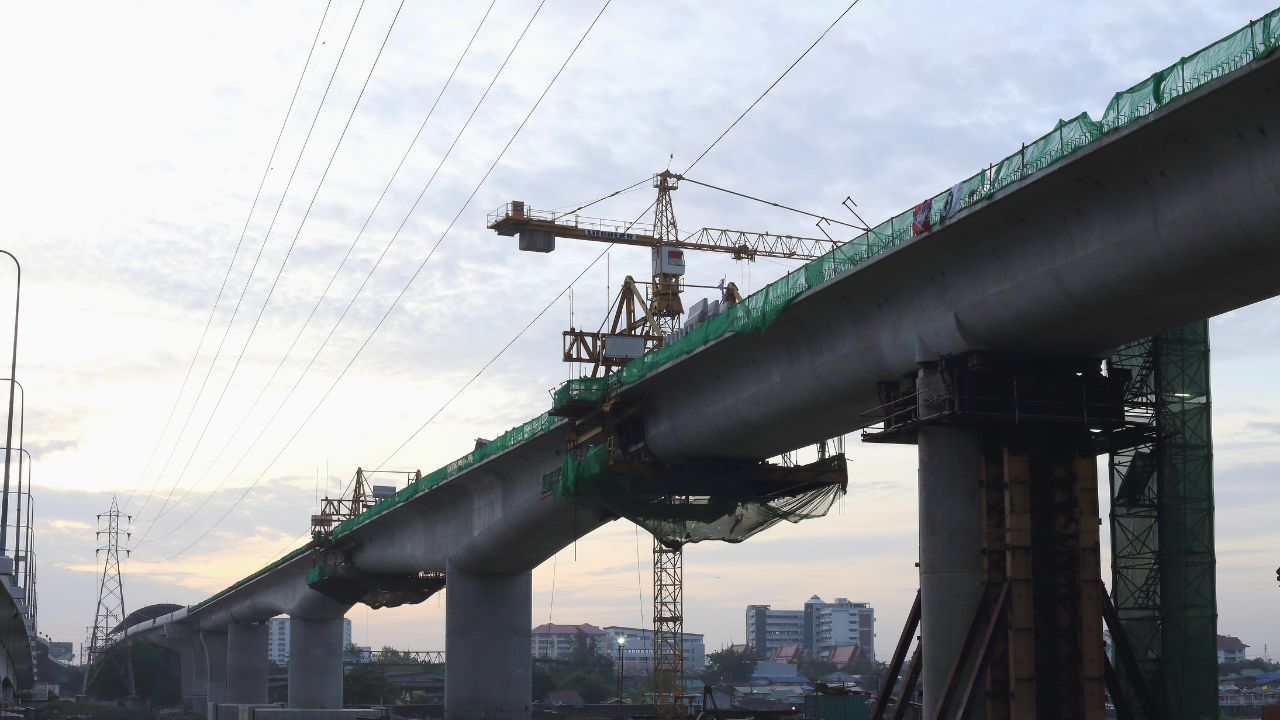
A major urban transit proposal in Chennai has encountered delays as a planned metro rail corridor linking the city’s airport with southern growth zones awaits final approvals.
The Chennai metro expansion, estimated at over ₹9,000 crore, is yet to secure key clearances, slowing progress on a project seen as critical to easing congestion and improving regional connectivity.The proposed alignment is expected to connect Chennai International Airport with emerging suburban nodes, including Kilambakkam, where a new bus terminus and residential developments are driving commuter demand. Urban planners consider this corridor vital for integrating multiple transport modes and supporting the city’s expanding urban footprint.Officials indicate that the delay is linked to pending approvals at various administrative levels, a common challenge for large infrastructure projects that require coordination across agencies. Such bottlenecks can extend project timelines and escalate costs, particularly in high-value urban transport investments where land acquisition, environmental compliance, and financial structuring are complex.The Chennai metro expansion is part of a broader effort to strengthen mass transit infrastructure in a city grappling with rising vehicle ownership and traffic congestion. Experts note that without timely execution of such projects, cities risk becoming increasingly car-dependent, leading to higher emissions, longer commute times, and reduced economic efficiency.From a sustainability perspective, metro systems are central to reducing the carbon footprint of urban mobility. Electrified rail networks offer a cleaner alternative to road-based transport, particularly when integrated with last-mile connectivity solutions.
Delays in expanding such networks can slow progress towards climate-resilient urban development goals.The corridor’s strategic importance is also tied to its potential to unlock real estate growth along its route. Improved connectivity typically drives demand for residential and commercial development in peripheral areas, helping to decentralise urban density. Industry observers suggest that uncertainty around project timelines can, however, delay investment decisions and impact land values in these emerging corridors.Urban infrastructure specialists highlight the need for streamlined approval processes to ensure that large-scale projects move forward without prolonged uncertainty. Coordinated governance frameworks, clear timelines, and transparent decision-making are increasingly seen as essential for managing the complexity of modern urban development.The Chennai metro expansion also reflects the growing emphasis on multimodal integration in city planning. Linking metro systems with bus networks, suburban rail, and airport infrastructure can significantly enhance commuter convenience and reduce reliance on private vehicles. However, achieving this integration depends on timely project execution and alignment between different transport agencies.Authorities suggest that once approvals are secured, the project could move into implementation phases, with potential to reshape commuting patterns across the southern part of the city. In the longer term, the effectiveness of such corridors will play a key role in determining how Chennai balances growth with sustainability.
As Indian cities continue to invest in mass transit, the pace at which projects like the Chennai metro expansion move from planning to execution will be critical in shaping urban mobility outcomes and ensuring that infrastructure keeps pace with development pressures.
Also Read:Chennai Pedestrian Corridor Improves MRTS Connectivity
