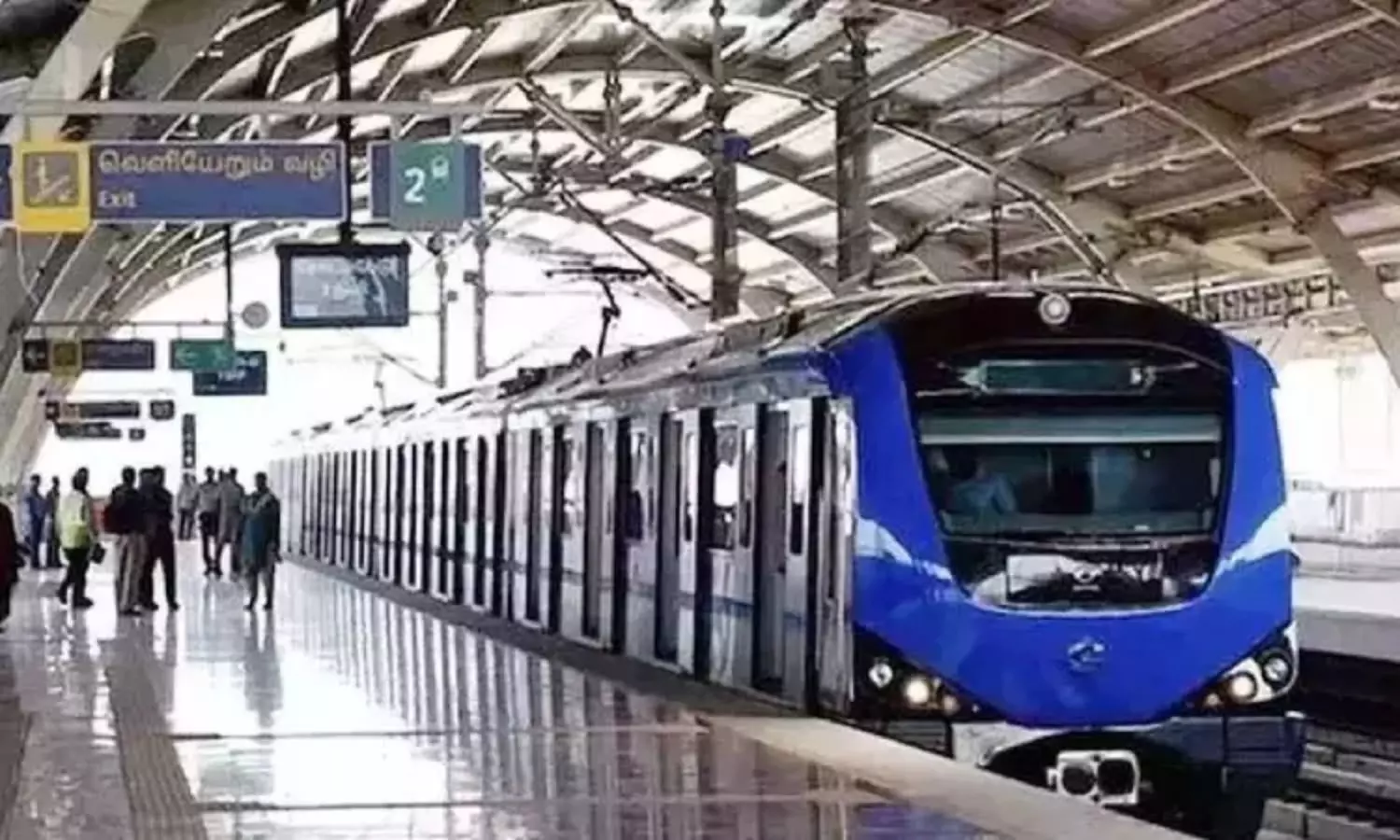
Chennai Metro Expands Gates To Cut Peak Hour Queues
Chennai’s urban rail network is upgrading station infrastructure to tackle rising crowding during morning and evening rush hours. Chennai Metro Rail Limited (CMRL) has installed additional automatic fare collection (AFC) gates and excess fare counters at high-traffic stations, aiming to improve passenger circulation and reduce queuing times — a critical factor for commuter experience and urban efficiency.
The initial phase of enhancements has focused on major nodes such as Thiyagaraya College and Saidapet stations, where bi-directional AFC gates now allow flexible assignment for entry or exit depending on passenger flow. This operational adaptability is essential in a network where peak demand can fluctuate sharply, especially as employment hubs and residential clusters continue to expand along metro lines.Additional excess fare counters have been deployed alongside the new gates to assist travellers whose journeys exceed prepaid ticket zones. This approach minimises dwell time at entry points, streamlining commuters’ transition from concourse to platform. Future phases plan similar infrastructure upgrades at other busy stations, including Anna Nagar East and Shenoy Nagar, reflecting a system-wide strategy to proactively manage congestion rather than respond after it occurs.
Urban transport planners note that fare gate optimisation carries broader implications for city life. Long queues at transit entry points not only delay individual commuters but also contribute to crowding around station approaches, affecting pedestrian flows, last-mile connectivity, and access to nearby commercial activity. By improving throughput at fare collection points, the metro supports a more equitable and efficient transit experience, particularly benefiting daily wage workers, students, and women commuters who are disproportionately affected by delays.These infrastructure upgrades build on previous measures, including flexible AFC modes during peak hours and planned increases in train frequency. The cumulative effect is designed to accommodate higher passenger volumes without compromising safety or operational discipline. However, experts emphasise that fare gate improvements alone cannot resolve all congestion issues; expanding rolling stock, boosting service frequency, and integrating real-time crowd management remain key to sustaining ridership growth.
Commuters have already reported noticeable reductions in queue lengths since the rollout began, but the true test will emerge as more stations adopt the upgraded infrastructure. For Chennai’s urban ecosystem — where efficient transit underpins economic activity, social inclusion, and climate-resilient mobility — these changes signal a pragmatic shift toward user-centric operations rather than purely network expansion.
Looking ahead, continued coordination between transit authorities and urban planners will be essential to implement data-driven peak management strategies, further platform enhancements, and accessible station design to ensure Chennai Metro evolves as a backbone of the city’s sustainable mobility framework.