


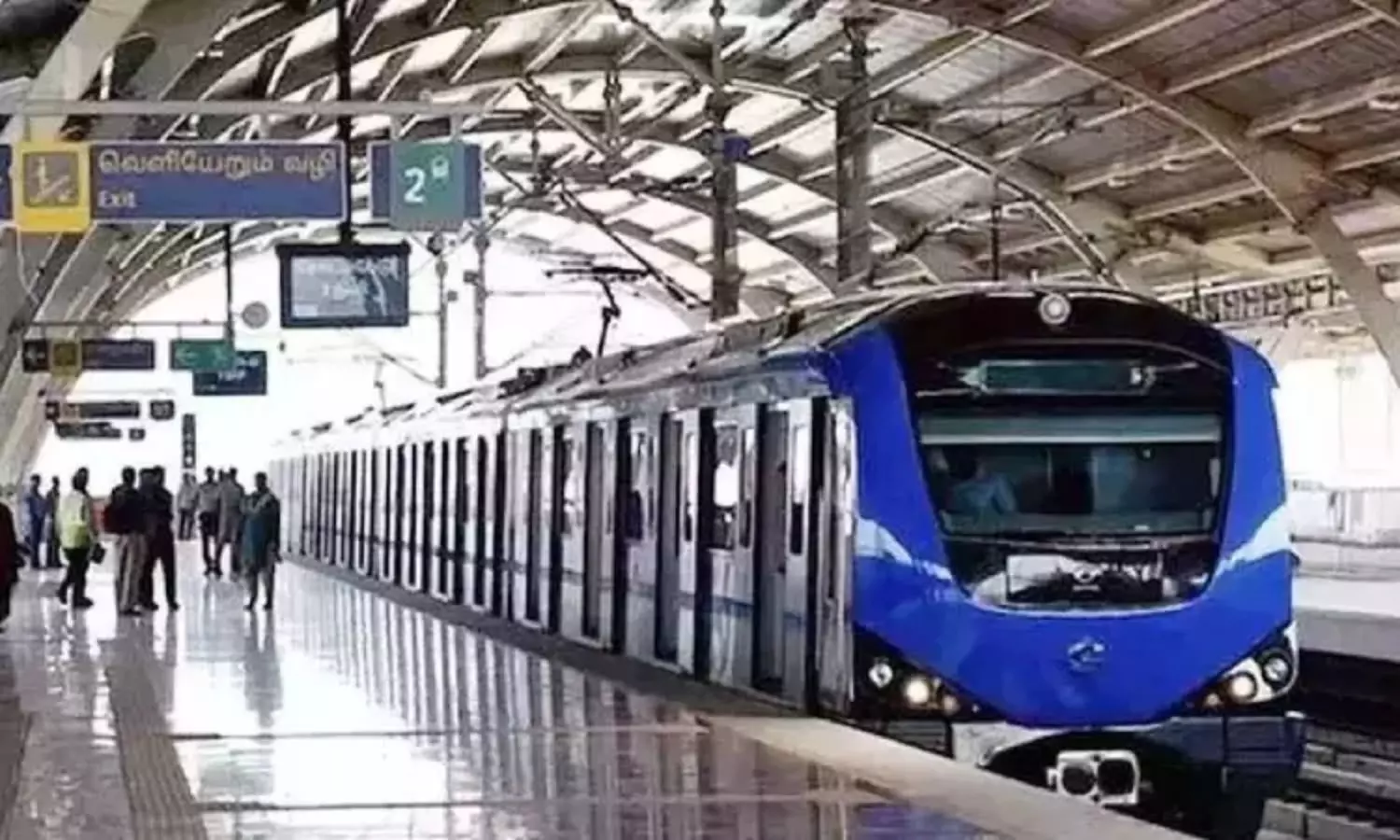
Chennai’s ambitious metro system, designed to ease congestion and promote sustainable urban mobility, continues to leave passengers frustrated with unreliable digital connectivity. For thousands of commuters, stepping into an underground station means stepping out of the digital world, as call drops and internet blackouts remain the norm across key stretches of the network.
Mobile disruptions are not merely an inconvenience. They directly undermine the adoption of cashless ticketing and app-based services promoted by the Chennai Metro Rail Limited (CMRL) to create a modern, eco-friendly transport ecosystem. Commuters report being unable to scan QR codes at Automated Fare Collection gates or access digital wallets due to poor internet reception underground, often forcing them to rely on physical cards or screenshots to bypass glitches.
Also Watch: An Exclusive Interview with Sanjeev Jaiswal (IAS), CEO MHADA
Despite efforts to modernise services, the metro operator’s earlier partnership with private service providers to offer in-train Wi-Fi has long been discontinued, leaving commuters dependent on telecom operators whose signals remain patchy below ground. Frequent call failures and near-zero data speeds are a reality at several stations on both the Blue and Green Lines. Travellers particularly cite bottlenecks at LIC, Thousand Lights, Mannadi, Shenoy Nagar and Nehru Park stations as problem zones where signals simply collapse.Digital gaps are most disruptive for passengers who depend on Unified Payments Interface (UPI) transactions. Officials acknowledge that while the situation has marginally improved over the years, the unreliability of digital connectivity continues to erode confidence in cashless mobility solutions. For a city striving to integrate smart infrastructure, weak underground network coverage creates a disconnect between policy vision and commuter experience.
