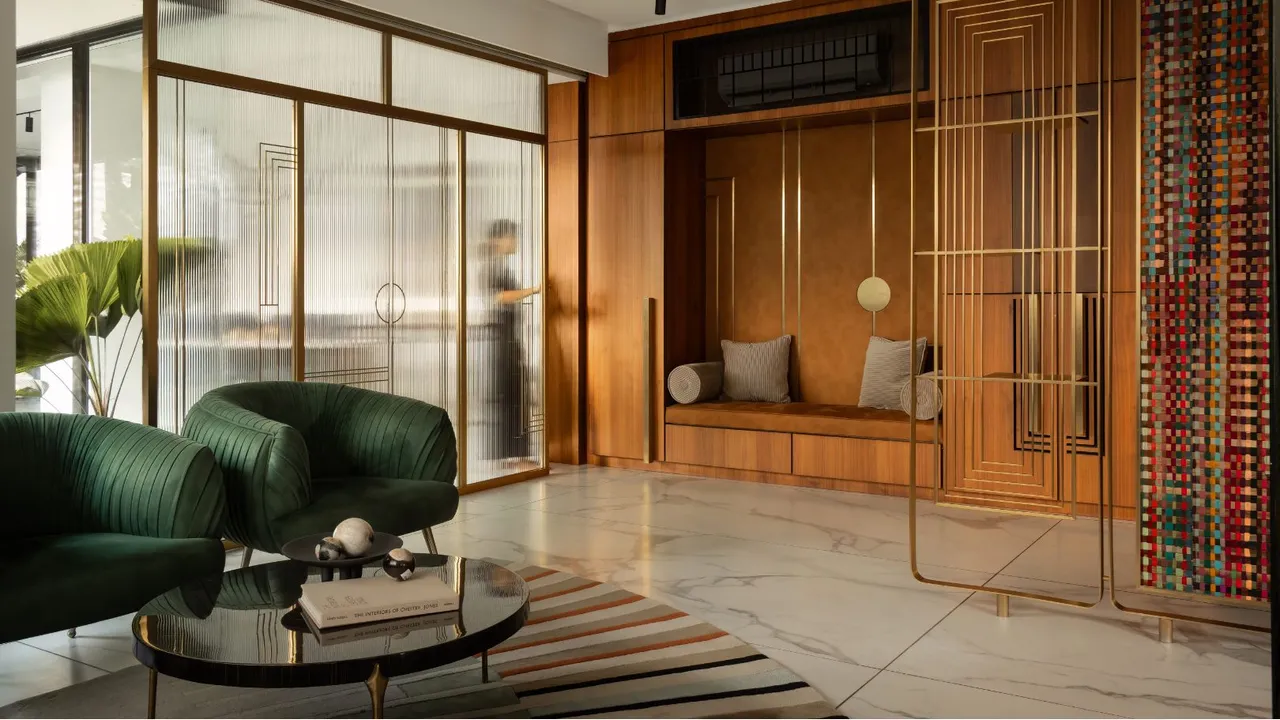
A novel retail concept is reshaping the city’s luxury home décor landscape, signalling a shift in how affluent and aspirational homeowners engage with design products and emerging creators. In a market historically rooted in high‑end imports and formal aesthetics, a new curated store model is blending premium craftsmanship with accessible experiences that reflect evolving urban lifestyles, community engagement and inclusive design. This reorientation matters for Chennai’s broader interiors sector as consumer expectations pivot toward discovery‑led retail, experiential spaces, and support for independent makers, with implications for real estate staging, lifestyle branding and sustainable urban living.
The initiative, based in the bustling neighbourhood of Teynampet, builds on a legacy of curated tableware and décor but expands into a shared platform for independent designers across categories including lifestyle, art, jewellery, skincare and apparel. By rotating its curated roster every three months, the store fosters a dynamic retail environment that keeps footfall high while offering nascent makers a runway into premium brick‑and‑mortar exposure, a resource traditionally out of reach for small enterprises in India’s largely online‑first creative economy. Industry observers say this approach responds to several converging trends in urban interiors. First, younger buyers are increasingly drawn to artisanal, locally rooted products that challenge the once‑dominant paradigm of homogeneous luxury goods. These consumers favour pieces that balance craftsmanship with functional ease and personal narrative — a departure from formal, ceremonial dining sets toward mix‑and‑match collections and handmade objects that speak to millennial lifestyles.
Second, Chennai’s interior design community has embraced collaborative spaces that support artisanal talent and experiential learning. Workshops on table styling, perfume blending, and creative practise hosted within retail environs signal a move toward community‑centred design cultures that prioritise interaction over transaction. For urban planners and cultural economists, such hybrid spaces are markers of resilient neighbourhoods where commerce, creativity and social engagement co‑create local vibrancy. The broader luxury interiors market in Chennai also reflects these dual impulses toward heritage and innovation. Bespoke furniture, sustainable materials, integration of smart home technology, and cultural infusions are among the elements shaping high‑end design briefs in villas and premium apartments across the city. These design priorities reflect affluent buyers’ desire for homes that are not only elegant but also technologically current and environmentally conscious.
Yet retail experts caution that success hinges on maintaining quality and aesthetic coherence even as the product mix diversifies. For established luxury spaces, preserving brand equity while welcoming experimental and younger designers requires careful curation and alignment with evolving consumer expectations.
Looking ahead, the intersection of curated physical retail, experiential activities and inclusive creative practices could influence how interior design is marketed and consumed in other Indian cities. As real estate developers and designers respond to demand for spaces that reflect personal identity and holistic living, Chennai’s evolving décor ecosystem may be a bellwether for future urban interiors trends.