Chennai Launches Elevated Corridor To Ease ECR Traffic
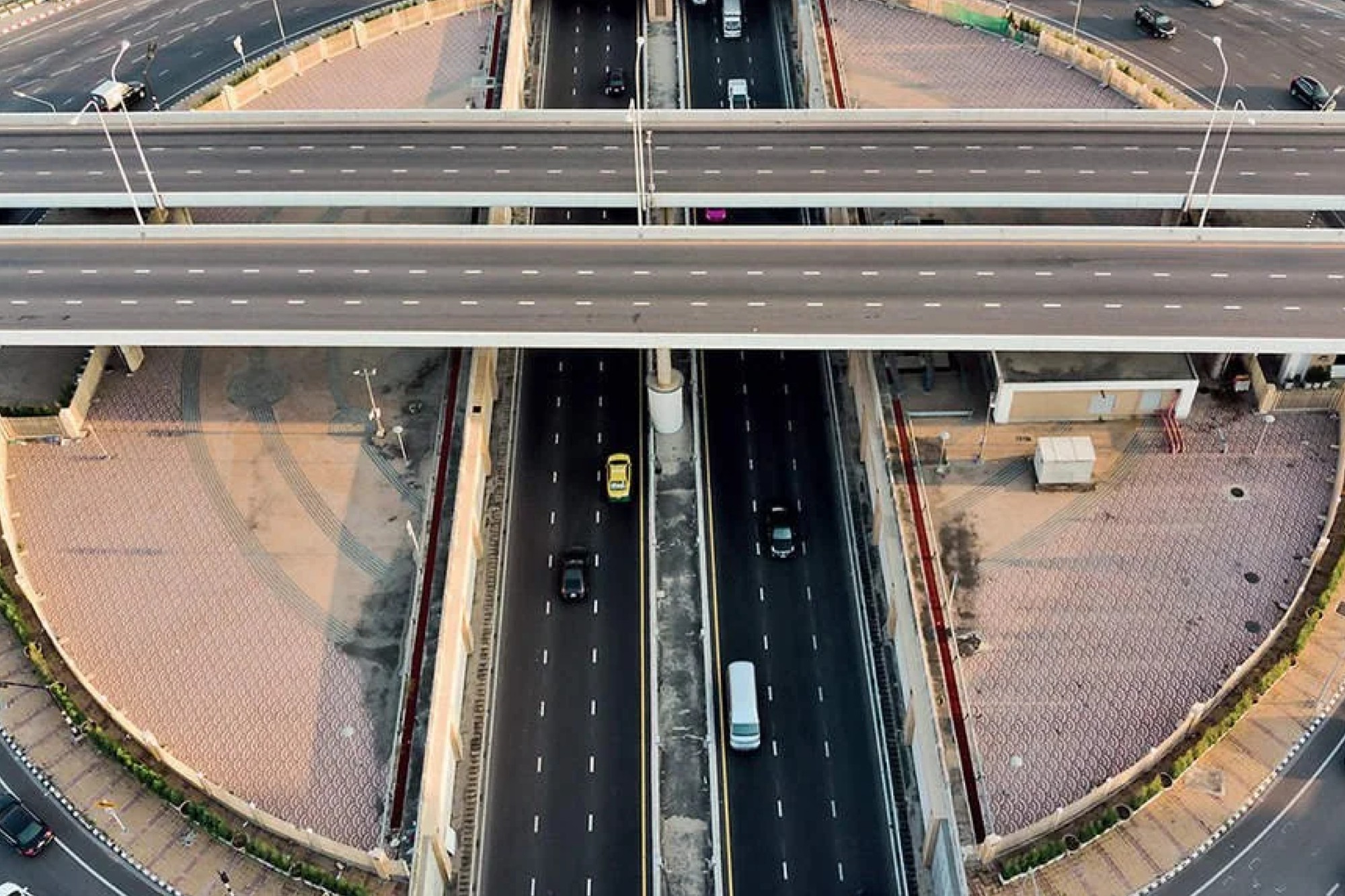
Chennai has initiated the construction of a 13.5-kilometre elevated corridor along the East Coast Road (ECR) from Thiruvanmiyur to Uthandi, marking a significant step in urban mobility planning. The project, valued at approximately ₹2,100 crore, aims to streamline traffic along one of the city’s busiest coastal arteries, which currently accommodates over 70,000 vehicles daily. Officials indicate that the corridor is expected to be operational in three years, providing commuters with uninterrupted travel by bypassing 130 at-grade junctions.
Urban planners note that ECR’s chronic congestion stems from rapid residential expansion along the corridor and limited signal-free options. “Even after widening the road to six lanes, traffic continues to bottleneck at feeder streets and neighbourhood junctions,” a senior transport official explained. The elevated design addresses both peak-hour density and future growth, allowing through-traffic to move efficiently while preserving local road access. The corridor will incorporate multiple entry and exit ramps at key points, including Thiruvanmiyur, Neelankarai, and Uthandi, with additional connectivity from L.B. Road and the Adyar side. Such planning aims to balance vehicle throughput with neighbourhood accessibility, although residents have flagged concerns over sufficient pedestrian and micro-mobility facilities. Urban mobility experts emphasise that for elevated corridors to be socially inclusive, ramp design and pedestrian integration must be prioritised alongside vehicular efficiency.
Implemented under a hybrid annuity model (HAM), combining elements of engineering, procurement, construction (EPC), and build-operate-transfer (BOT) models, the project will leverage land acquired during previous widening exercises. However, additional land acquisition may be required for ramp structures, highlighting the ongoing tension between infrastructure expansion and urban space constraints. Economists and real estate analysts suggest that while such corridors can improve commute times and stimulate peripheral property development, careful integration with zoning and street-level transport is crucial to prevent localized congestion and displacement.
From an environmental and urban resilience perspective, elevated corridors present both opportunities and challenges. By reducing idling time, fuel consumption may decline, contributing modestly to emissions reduction. Yet, shadowing and impermeable surfaces along the corridor could affect local microclimates and pedestrian comfort, reinforcing the need for green design interventions such as landscaping and noise mitigation. As the corridor progresses, city authorities will need to balance mobility gains with inclusive urban design, ensuring that faster travel does not come at the cost of accessibility, safety, or community cohesion. The project underscores Chennai’s ongoing efforts to modernise its urban transport infrastructure while accommodating a growing population and expanding coastal developments.