


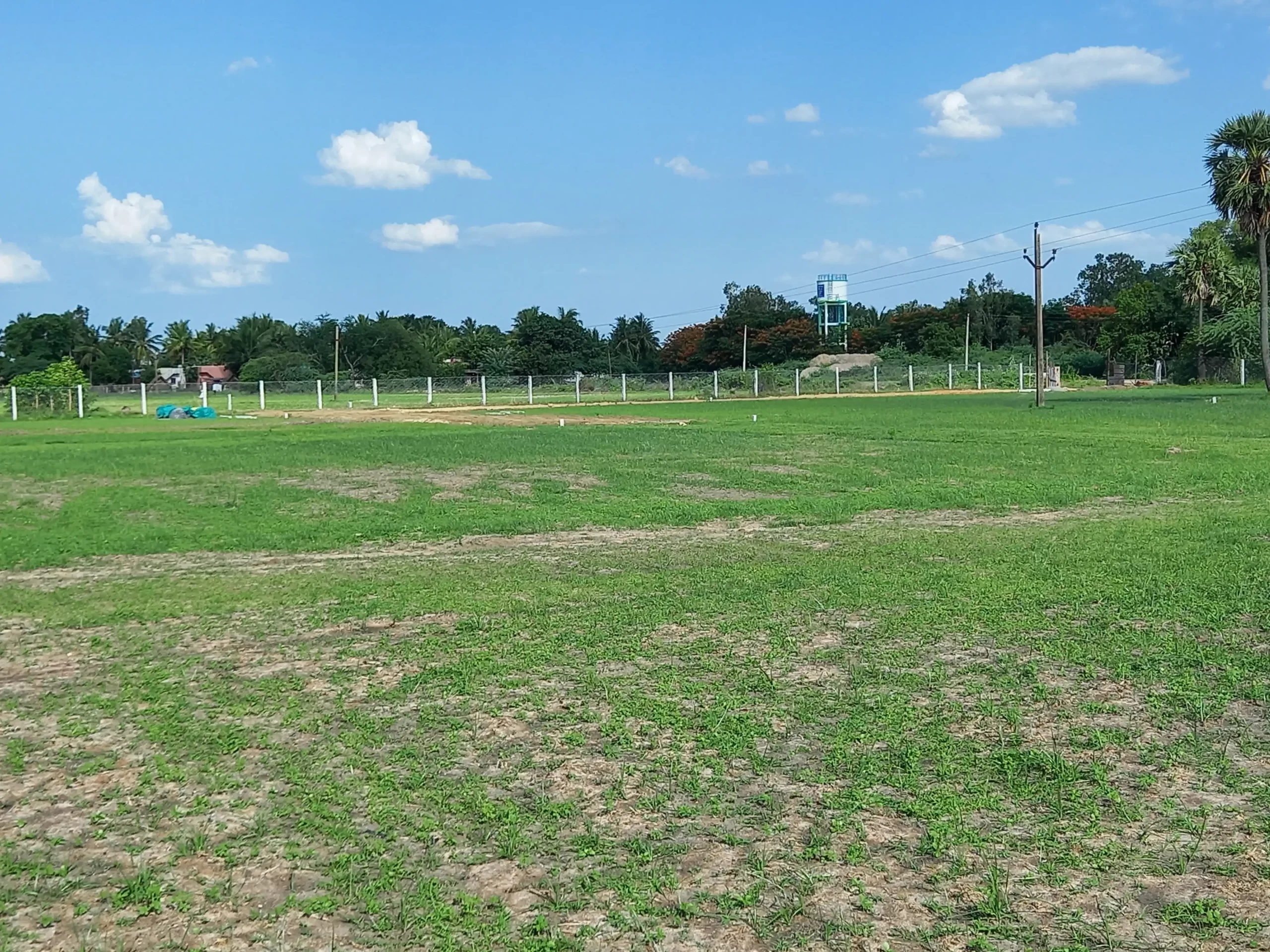
A large land transaction in north-west Chennai is reshaping the city’s real estate and industrial landscape, with Sundaram-Clayton Limited divesting a 16.38-acre parcel for about Rs 560 crore. The deal, involving a joint venture between two established residential developers, reflects a broader shift among legacy manufacturing groups towards capital optimisation amid evolving urban land-use priorities.
The land parcel, located in Korattur village within Ambattur taluk, sits along one of Chennai’s fast-transforming industrial residential corridors. Once valued primarily for manufacturing proximity, the micro-market has gained renewed attention due to improved metro connectivity, arterial road upgrades, and spillover demand from employment hubs across Ambattur, Mogappair, and Anna Nagar extensions. Urban planners note that such transactions highlight how industrial land within city limits is increasingly being repositioned to meet housing demand. For Sundaram-Clayton, part of the wider TVS Group, the divestment aligns with a growing trend among capital-intensive manufacturing firms to monetise non-core real estate assets. Industry observers say proceeds from such land sales typically strengthen balance sheets, support reinvestment into core operations, or improve return ratios, particularly at a time when manufacturing firms face rising input costs and technology transition pressures. The acquiring entity, a joint development platform backed by Prestige Estates Projects and Arihant Foundations & Housing, is expected to develop a large-scale residential project on the site.
While project details are yet to be formally disclosed, market participants anticipate a multi-phase housing development catering to mid-income and upper mid-income buyers, segments that continue to see steady absorption in Chennai despite broader market volatility. Chennai’s residential market has remained comparatively stable among major Indian metros, driven by end-user demand rather than speculative investment. Analysts attribute this resilience to steady job creation in manufacturing, IT services, logistics, and healthcare, along with relatively moderate pricing compared to western and northern markets. Peripheral locations such as Ambattur have benefited from this demand as central city land availability tightens. From an urban development perspective, the transaction raises important considerations around infrastructure readiness and sustainable growth. Large residential developments in former industrial zones require coordinated planning for water supply, drainage, public transport, and social infrastructure. Experts argue that adaptive reuse of industrial land offers cities an opportunity to pursue more compact, transit-oriented growth provided civic agencies align zoning, utilities, and climate resilience measures early in the development cycle.
The Chennai land sale also signals a broader recalibration underway in Indian cities, where corporate land banks accumulated over decades are being unlocked to meet contemporary urban needs. As more such assets come to market, planners and policymakers face the challenge of ensuring that redevelopment contributes not just to housing supply, but to inclusive, low-carbon, and liveable neighbourhoods.
Also Read:
Chennai Land Sale Signals Strategic Capital Recycling
