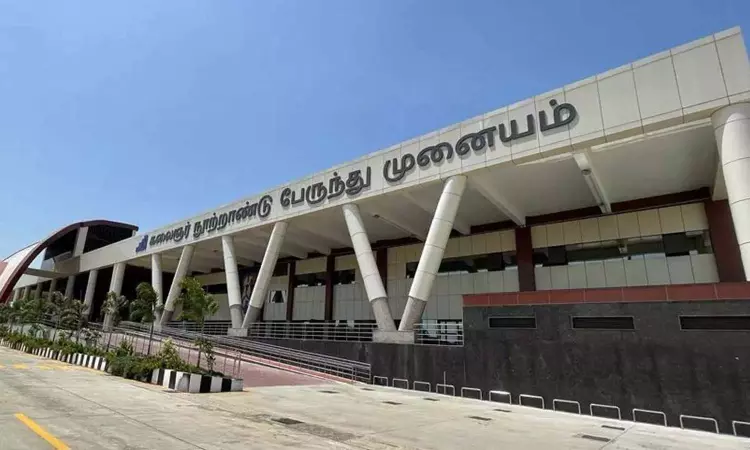
Chennai Kilambakkam Skywalk Eases Daily Transfers
Chennai is moving closer to a fully integrated southern transport hub as construction advances on a dedicated skywalk linking the Kilambakkam bus terminus with the upcoming Kilambakkam railway station, a project aimed at improving safety, reducing congestion, and enabling smoother transfers for thousands of daily commuters.
The elevated walkway is being developed to allow passengers to move directly between long-distance buses and suburban or mainline trains without navigating traffic-heavy roads surrounding the terminus. Transport officials say the project reflects a growing emphasis on walkable infrastructure in high-footfall transit zones, where pedestrian safety has long been a concern. According to an official involved in the project, the Kilambakkam skywalk connectivity has been designed to handle large commuter volumes expected at one of south Chennai’s busiest gateways. The structure’s width and load capacity factor in peak-hour crowds, festival travel surges, and future growth in passenger numbers as surrounding neighbourhoods continue to expand. Urban mobility experts point out that the project addresses a persistent gap in Indian transport planning: safe last-mile movement. “Most transport hubs prioritise vehicle flow but overlook pedestrians,” an urban planner said. “Grade-separated walkways like this reduce accident risk while making public transport more attractive, especially for women, elderly passengers, and families.”
The skywalk is also expected to ease pressure on roads near the terminus by diverting foot traffic away from surface crossings. This could lead to smoother bus movements in and out of the facility, improving punctuality for long-distance services and reducing bottlenecks during peak periods. For city authorities, such gains are critical as Chennai grapples with rising vehicle ownership and constrained road space. Construction of the Kilambakkam railway station is progressing in parallel, with officials aiming to open both facilities together. The station is intended to serve growing residential and commercial clusters in south Chennai, where daily travel demand has increased sharply in recent years. Industry experts say coordinated delivery is essential to maximise public investment and avoid fragmented infrastructure.
Weather protection has also been factored into the design. The elevated corridor will offer shelter from heavy monsoon rains and intense summer heat, making walking a more reliable option year-round. This is particularly relevant in Chennai’s climate, where extreme weather often disrupts surface-level movement. From a broader perspective, the Kilambakkam skywalk connectivity project signals a shift towards modern transit planning that values seamless transfers over car-dependent access. While modest in scale compared to rail or road projects, such pedestrian links play a disproportionate role in shaping commuter experience and encouraging public transport use. As Chennai continues to grow southwards, planners argue that investments like this must be paired with inclusive design, strong maintenance standards, and integration with buses and rail services. Done right, Kilambakkam could offer a replicable model for safer, low-carbon, and people-centred urban mobility across Indian cities.
Chennai Kilambakkam Skywalk Eases Daily Transfers