


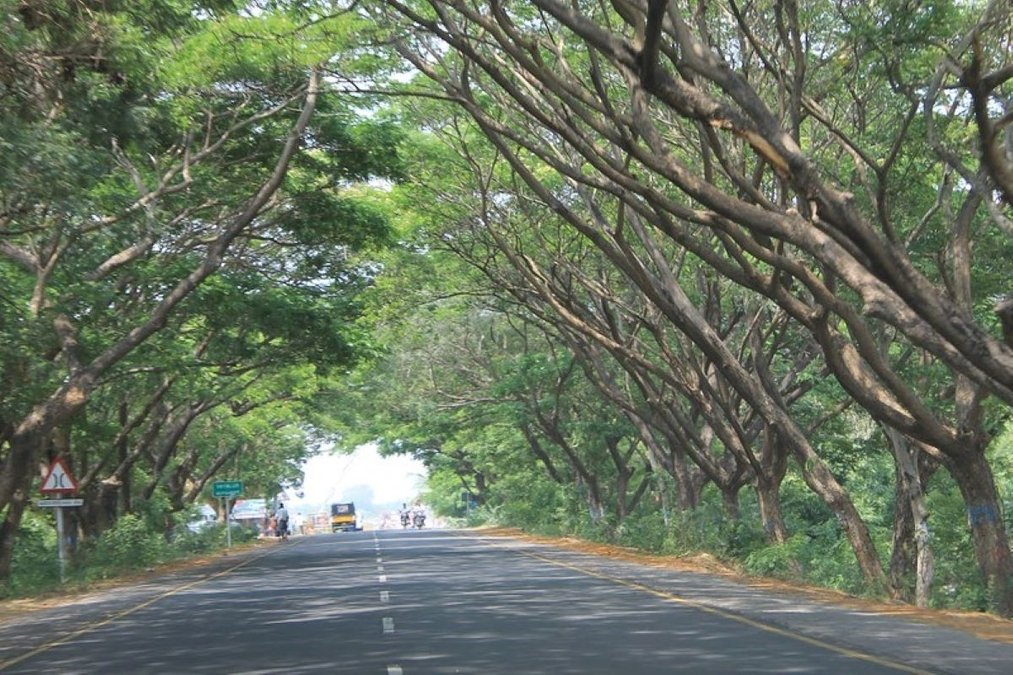
Ongoing upgrades along the Chennai–Karaikal corridor are beginning to reshape regional mobility patterns, as infrastructure improvements aim to enhance connectivity between Tamil Nadu and the Union Territory of Puducherry.
The project, involving highway widening and route diversions, reflects a broader push to strengthen coastal transport networks and support economic activity along the eastern seaboard.The Chennai Karaikal highway is a key link for both passenger and freight movement, connecting industrial clusters, pilgrimage centres, and coastal tourism destinations.Authorities have introduced phased diversions to facilitate construction, with traffic being rerouted through alternate state highways and local roads. While these temporary measures are extending travel times, they are considered necessary to expedite long-term capacity upgrades.Transport planners note that the corridor’s expansion is aligned with national efforts to modernise road infrastructure and reduce logistics inefficiencies. Improved road quality, wider carriageways, and better junction design are expected to enhance travel safety and reduce congestion, particularly during peak tourism and festival seasons when traffic volumes surge.However, the diversion of vehicles onto narrower local routes has created short-term challenges for residents and commuters. Increased traffic through smaller towns is placing pressure on local infrastructure, raising concerns about road safety, noise, and environmental impact.
Experts suggest that better signage, real-time traffic updates, and temporary traffic management systems are essential to minimise disruption during the construction phase.From an economic perspective, the upgraded Chennai Karaikal highway is expected to improve access to coastal economic zones, fisheries, and port-linked industries. Enhanced connectivity can support regional trade and tourism, potentially boosting local economies along the route.Small businesses in transit towns may also benefit from increased footfall once the corridor becomes more accessible.Urban and regional planners emphasise that infrastructure expansion must be balanced with sustainability considerations. Coastal corridors are particularly vulnerable to climate risks such as flooding and erosion, making resilient design a critical component of highway development. Incorporating proper drainage systems, climate-adaptive materials, and green buffers can help mitigate long-term environmental impacts.The project also underscores the importance of integrated transport planning, where road networks are aligned with rail and port infrastructure to create efficient multimodal systems. Such coordination can reduce dependency on road transport alone, lowering emissions and improving overall logistics efficiency.
As work progresses, the transformation of the Chennai Karaikal highway is expected to play a significant role in shaping regional connectivity across the east coast. The success of the project will depend on how effectively authorities manage short-term disruptions while delivering a safer, more resilient, and economically vital transport corridor for the future.
Also Read:Kolkata Heritage Dining Adapts to Modern Urban Demand
