Chennai Introduces BiDirectional Entry Exit Gates At Key Metro Stations To Ease Congestion
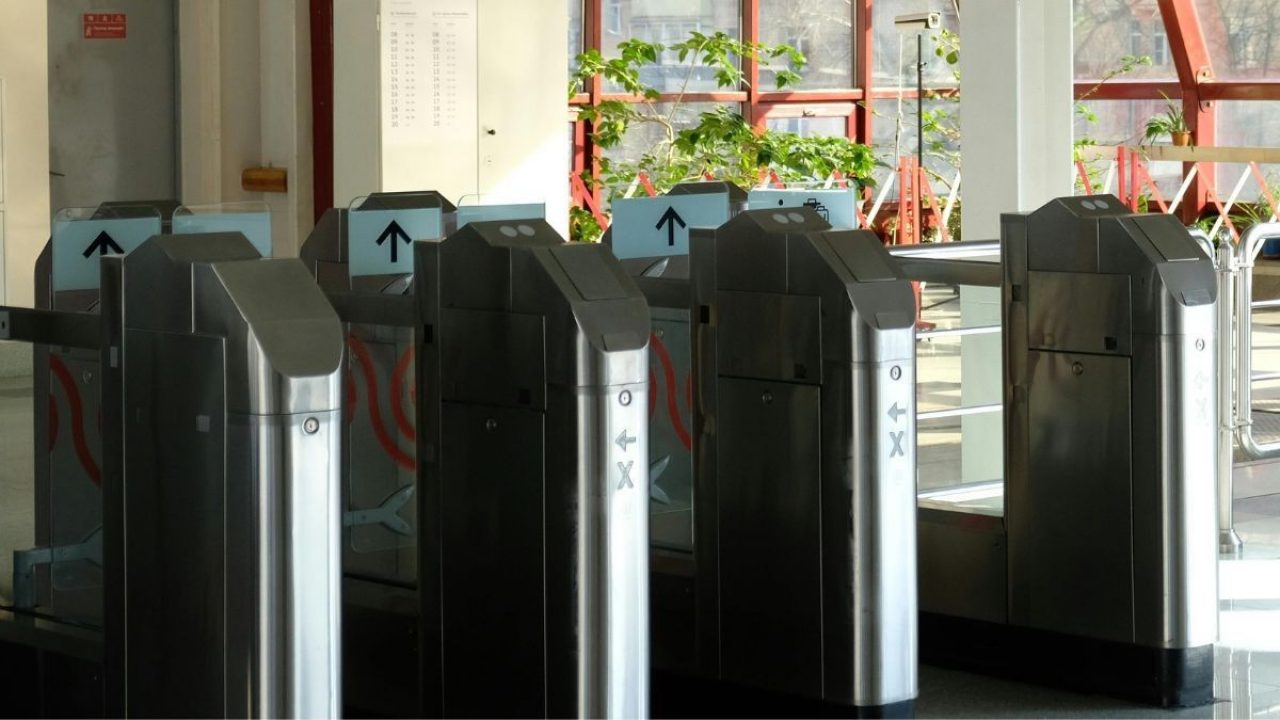
Chennai Metro Rail Limited (CMRL) has rolled out an innovative solution to address the persistent issue of peak-hour congestion at its busiest stations: the installation of bi-directional ticketing gates. This strategic upgrade allows entry and exit functions to be dynamically adjusted based on demand, promising to significantly streamline passenger movement and reduce queues. This initiative marks a crucial step towards enhancing urban mobility, fostering a more efficient public transport ecosystem, and creating a more gender-neutral and accessible commuting experience for all residents in Chennai.
The new bi-directional gates have been initially implemented at high-footfall stations such as Thousand Lights, Government Estate, and AG-DMS, with plans for a broader rollout to include other key hubs like Chennai Airport, Guindy, and Thirumangalam. Unlike conventional gates, which are fixed for either entry or exit, these adaptive systems can switch their operational direction, optimising the flow of passengers during fluctuating peak and off-peak hours. This intelligent management of Automatic Fare Collection (AFC) gates, of which approximately 20 are present at most stations across the 45-kilometre Phase 1 network, is expected to drastically improve throughput.
The necessity for such a dynamic system became evident from the daily operational challenges. Stations like Thousand Lights, situated amidst numerous government and private offices, witness a daily footfall of 15,000 to 17,000 passengers. During the morning rush, typically between 8:00 AM and 9:30 AM, long queues form at exit gates as commuters head to their workplaces. Conversely, the evening peak from 5:30 PM to 6:30 PM sees a surge at entry points as people return home. The bi-directional gates will address this by functioning primarily as ‘exit gates’ in the morning and ‘entry gates’ in the evening, aligning with the dominant flow of commuters.
This technological enhancement is more than just a convenience; it represents a commitment to developing sustainable and eco-friendly urban infrastructure. By reducing passenger waiting times and bottlenecks, it indirectly contributes to a more efficient energy consumption profile for the metro system. Smoother passenger flow means less time spent within the station environment, potentially leading to marginal reductions in the energy required for climate control and lighting during peak periods. Moreover, by making public transport more attractive and efficient, it encourages a modal shift away from private vehicles, thereby contributing to lower carbon emissions across the city.
The adaptive nature of these gates demonstrates a modern approach to urban planning, prioritising efficiency and user experience. This focus on intelligent traffic management within public transport nodes is vital for cities striving to become smarter and more responsive to the needs of their populations. As urbanisation continues, the ability to rapidly adapt infrastructure to real-time demand fluctuations, as exemplified by these bi-directional gates, becomes increasingly critical for maintaining operational integrity and ensuring a high standard of public service. This smart intervention by CMRL is set to transform daily commutes, making them quicker, less stressful, and more reliable for thousands of Chennai residents.