


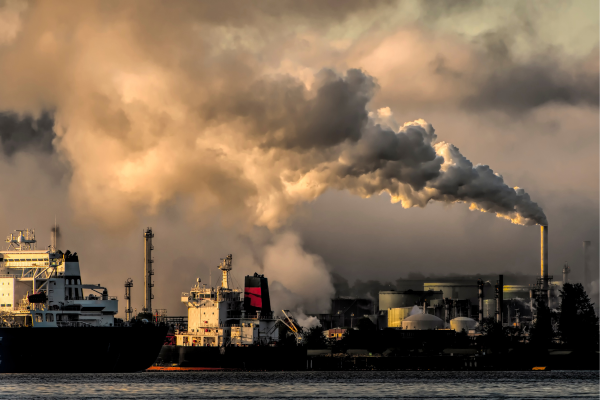
Environmental pollution in one of Chennai’s key industrial zones continues to pose significant risks to public health and urban sustainability, drawing attention to long-standing gaps in monitoring, compliance, and infrastructure.
The issue highlights the growing tension between industrial growth and environmental management in rapidly expanding urban regions.Residents and local observers report persistent concerns around air and water quality, with industrial emissions and untreated waste contributing to deteriorating environmental conditions. Despite regulatory frameworks aimed at controlling pollution, implementation challenges have limited their effectiveness, allowing issues to persist over time.The situation reflects broader structural challenges in managing industrial clusters within city limits. As urban areas expand, industrial zones that were once on the periphery are increasingly surrounded by residential developments, intensifying the impact of pollution on communities. This overlap raises critical questions about zoning, land use planning, and environmental safeguards.From an urban development perspective, the Chennai industrial pollution issue underscores the importance of integrating environmental considerations into economic planning. Industrial activity remains a key driver of employment and economic growth, but without adequate safeguards, it can undermine public health and quality of life.Experts point out that inadequate waste treatment infrastructure and inconsistent monitoring are among the primary contributors to the problem.
Effluent discharge into water bodies and emissions from manufacturing units can have long-term ecological consequences, affecting not only local ecosystems but also broader urban resilience.The Chennai industrial pollution challenge also has economic implications.Environmental degradation can lead to increased healthcare costs, reduced productivity, and potential regulatory penalties for non-compliant industries. In the long term, it may also affect investor confidence, particularly as sustainability becomes a key consideration in business decisions.Urban planners emphasise the need for a multi-pronged approach to address these issues.Strengthening enforcement mechanisms, upgrading pollution control infrastructure, and promoting cleaner production technologies are critical steps towards mitigating environmental impact.Public-private collaboration can also play a role in accelerating the adoption of sustainable practices.There is a growing recognition that industrial zones must evolve to align with modern environmental standards. Concepts such as green industrial parks, circular economy practices, and resource-efficient manufacturing are increasingly being explored as solutions to balance growth with sustainability.Community engagement is another key factor.Empowering residents with information and involving them in monitoring processes can improve accountability and drive more effective outcomes.
As Chennai continues to expand its industrial base, addressing pollution concerns will be essential to ensuring sustainable urban development. The current situation serves as a reminder that economic progress must be accompanied by robust environmental governance, enabling cities to grow without compromising the health of their ecosystems and residents.
Also Read:Chennai Career Counselling Fair Supports Student Opportunities
