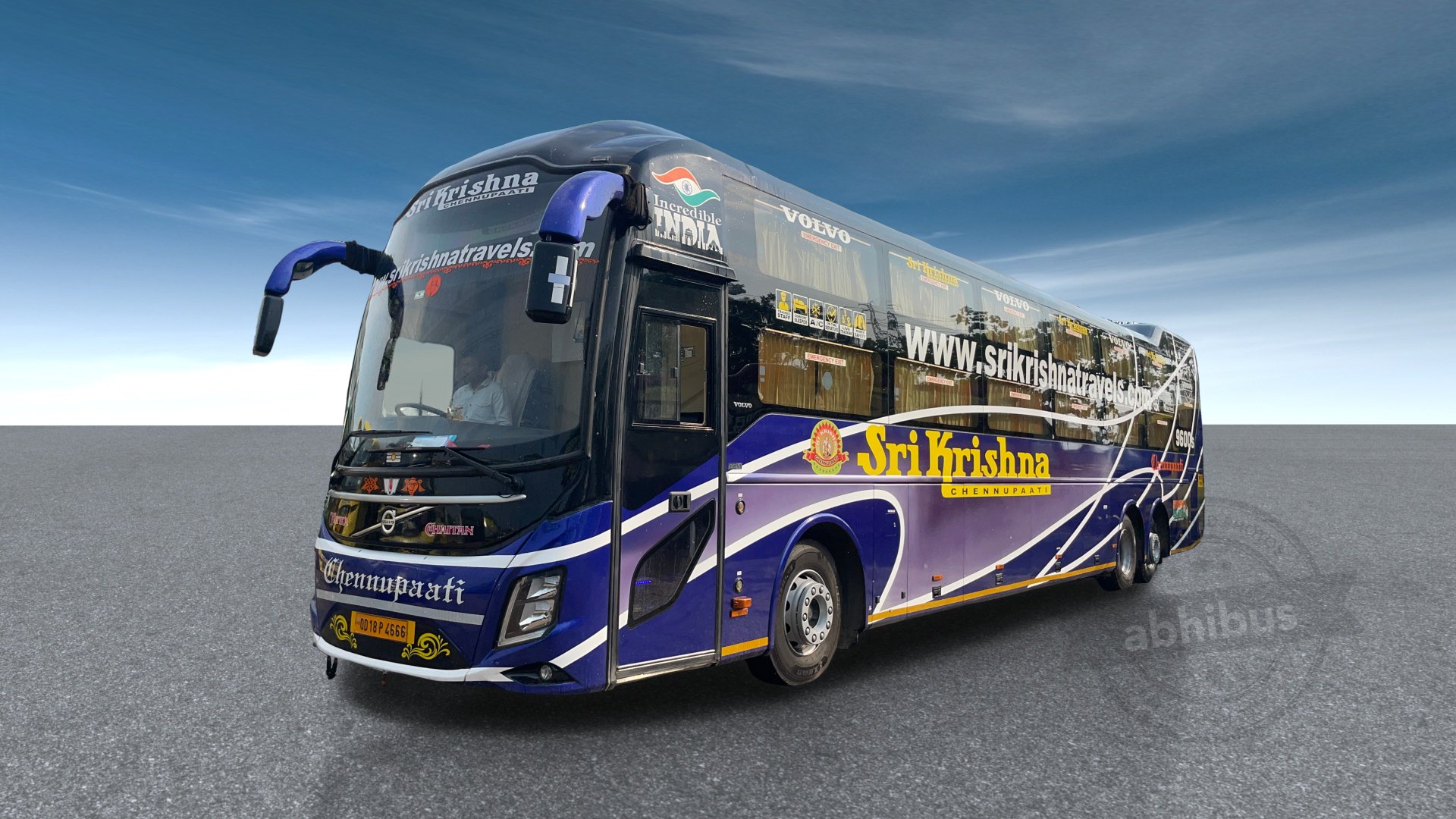
A private intercity bus travelling from Hyderabad to Chennai experienced a sudden engine malfunction early Sunday morning, producing thick smoke near the Pantangi tollgate on the Hyderabad-Vijayawada highway. Passengers were forced to disembark amid fears of a potential fire, highlighting ongoing safety challenges in long-distance road travel and the critical need for climate-resilient and secure urban mobility networks.
According to accounts from travellers, smoke emerged from the engine compartment gradually, escalating from light vapour to dense emissions that raised alarm among women, children, and elderly commuters. Many passengers sought immediate communication with relatives and the bus operator, requesting an alternative vehicle before continuing the 700-kilometre journey. The bus driver attempted to reassure occupants that the vehicle was still operable, but most passengers opted to wait roadside until a replacement service arrived.
Industry experts note that engine overheating and smoke incidents are often linked to deferred maintenance, aging fleets, and the rising operational demands of private transport operators. “With growing urban-rural connectivity and the reliance on long-haul buses, ensuring rigorous preventive maintenance is essential to protect passengers and reduce environmental impact,” said a senior transport official familiar with safety audits. The episode underscores broader infrastructure vulnerabilities in rapidly urbanising regions, where transport corridors are essential for economic flows yet often lack integrated safety monitoring systems. The incident also raises questions about sustainable vehicle operations on high-traffic highways. Diesel-powered buses, which dominate long-distance travel, contribute to localised air pollution and carbon emissions. Urban planners advocate for a shift toward low-emission fleets and smarter monitoring of critical transport arteries to both protect human life and align with broader climate-resilience strategies.
Passengers’ response, prioritising personal safety over strict adherence to schedules, demonstrates increasing public awareness of risk in urban mobility. From a policy perspective, regulatory agencies are encouraged to enforce stricter compliance on vehicle fitness certifications and introduce real-time engine diagnostics for intercity buses, particularly on routes linking major urban centres. As intercity transport demand continues to rise, incidents such as the one in Yadadri Bhuvanagiri reinforce the need for a dual approach: robust preventive maintenance frameworks and the adoption of cleaner, safer vehicle technologies. These measures not only improve commuter safety but also support equitable and sustainable urban growth, reducing the long-term socio-economic and environmental costs of transport failures.