


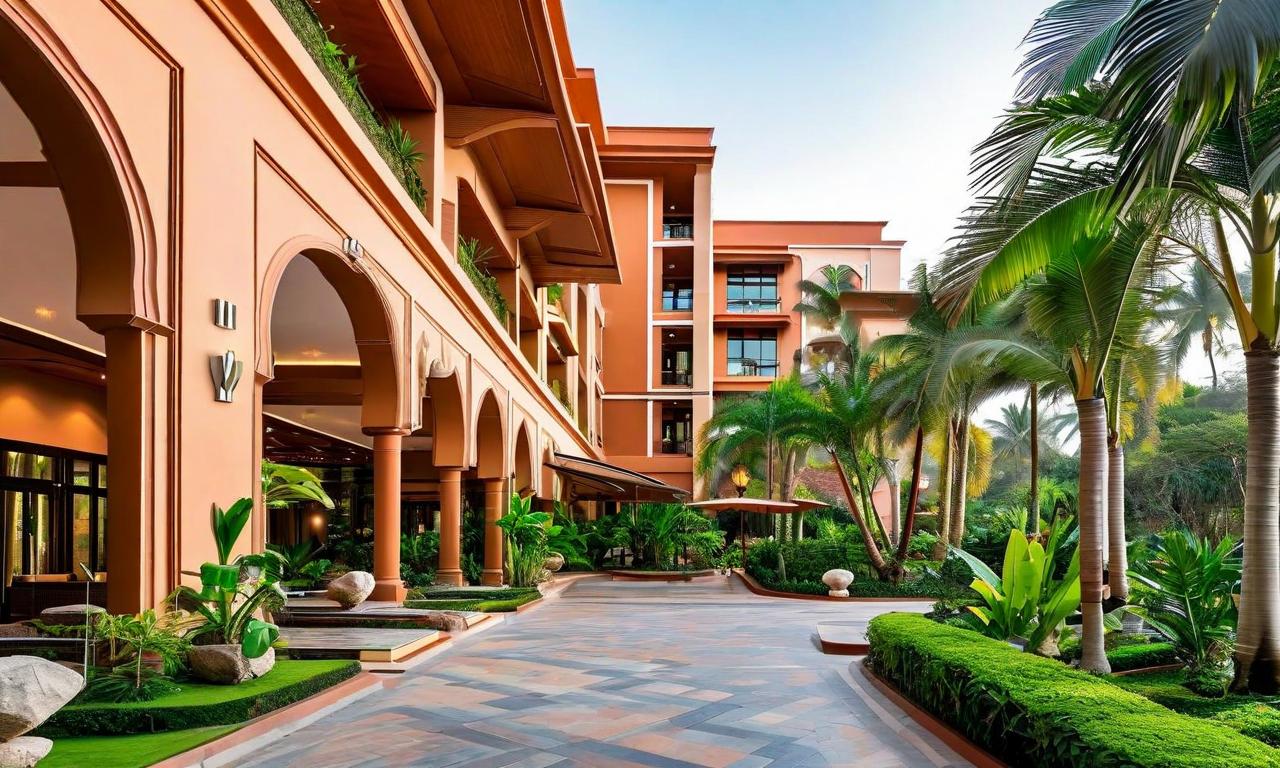
Chennai is set to see a significant expansion in its organised hospitality supply following a fresh investment commitment aligned with the Tamil Nadu government’s tourism development agenda. A new agreement signed at a state-led tourism summit outlines plans to add more than 500 hotel rooms across multiple locations in the city, reinforcing Chennai’s position as a growing business, convention and leisure destination.
The proposed investment, estimated at ₹1,100 crore, will be channelled into developing three large-format hotel projects under globally recognised hospitality brands. Officials familiar with the agreement say the initiative is expected to generate direct and indirect employment for over 1,000 people, spanning hotel operations, facility management, construction and allied services. For a city balancing industrial growth with services-led employment, hospitality has emerged as a stable job creator.Urban development analysts note that Chennai’s hotel market has lagged behind comparable metros in premium room inventory, particularly along emerging commercial corridors. The planned projects are strategically located near key economic zones, including the IT and services belt along Old Mahabalipuram Road, the East Coast Road leisure corridor, and an integrated trade and exhibition district. Together, these areas are expected to drive demand from business travellers, conferences, and longer-stay visitors.
One of the developments is planned adjacent to a major trade and convention complex, targeting short-stay business travel linked to exhibitions and corporate events. Another is positioned as a resort-style property along the coast, catering to leisure tourism and destination weddings, while the third is aimed at the city’s technology corridor, where office absorption and residential development continue to expand.Hospitality sector experts point out that new hotel investments increasingly factor in sustainability and climate responsiveness. While project-specific details are yet to be disclosed, state officials have indicated that upcoming tourism infrastructure is expected to align with energy efficiency norms, water conservation practices and responsible land-use planning. In a water-stressed coastal city, hotels are under growing pressure to adopt circular water systems and low-carbon building operations.
The investment also reflects a broader policy push by the state to attract private capital into tourism, positioning it as an enabler of urban regeneration rather than a standalone sector. Improved hotel capacity is seen as supporting allied sectors such as retail, transport, food services and cultural tourism, creating multiplier effects across city economies.Chennai’s existing hospitality inventory has seen uneven recovery since the pandemic, with premium segments rebounding faster than mid-scale supply. Market observers believe the timing of the expansion suggests confidence in long-term demand, particularly from global capability centres, medical tourism and large-format events.
As these projects move from planning to execution, urban planners say coordination with local infrastructure—roads, public transport and utilities—will be critical. The real test will be whether new hospitality assets integrate seamlessly into their surroundings, contribute to walkable urban districts and operate responsibly within Chennai’s fragile coastal and ecological context.If executed well, the expansion could strengthen Chennai’s appeal as a well-rounded urban destination, balancing business efficiency with liveability and sustainable growth.
Also Read:Delhi NCR Property Growth Trails Tier Two Cities
Chennai Hospitality Expansion Signals Tourism Investment Shift
