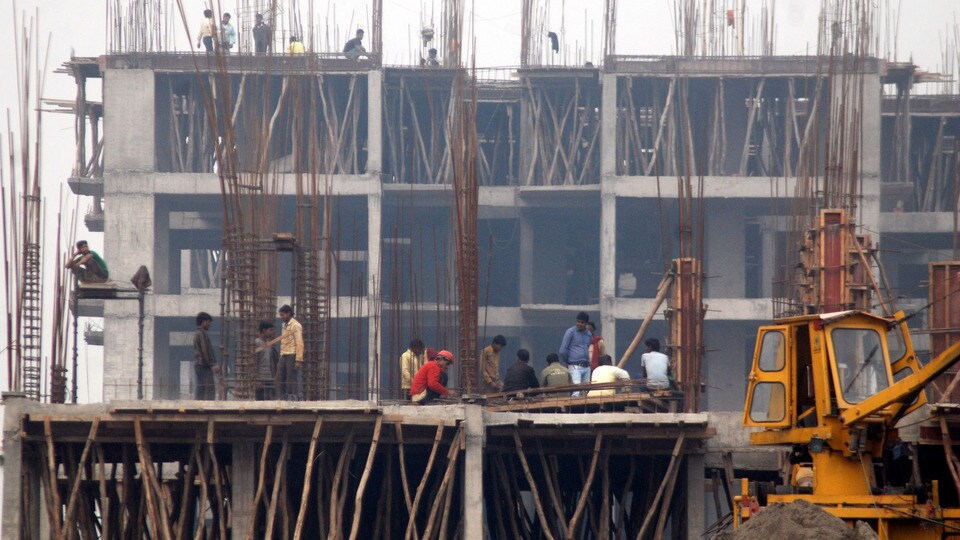
India Construction Boom Lifts Architectural Coatings Demand
Chennai’s real estate regulatory body has mandated that a local developer pay substantial compensation to homebuyers after extended delays in project delivery caused significant mental distress. The Tamil Nadu Real Estate Regulatory Authority (TN RERA) ruled that the builder must pay ₹3 lakh for psychological hardship and an additional ₹50,000 to cover legal costs, highlighting growing regulatory scrutiny of timely project execution in urban housing markets.
The dispute revolves around a mid-scale residential project in the city, where buyers had booked apartments in mid-2022 with an initial handover commitment set for June 2023. Despite fulfilling over 90% of the total property value through payments, the buyers faced repeated postponements, with project completion eventually extended to March 2024. TN RERA observed that the developer had even issued a termination notice citing alleged payment defaults, which the regulator deemed unfair given the buyers’ timely instalments and lack of regular payment reminders from the builder.
According to TN RERA, the prolonged delay and abrupt termination notice caused significant stress for the buyers, who had secured home loans specifically to finance the purchase. The authority emphasised that nearly all payments had been made well before the developer filed its defence, countering claims of buyer default. “The delay caused by the developer is not just a contractual lapse but a source of considerable mental agony for the buyers,” a senior TN RERA official stated. Urban planners and housing analysts note that cases like these are symptomatic of systemic issues in India’s residential real estate sector, where construction delays, regulatory bottlenecks, and financing pressures converge. Experts highlight that timely project completion is critical not only for buyer confidence but also for broader urban sustainability, as stalled projects can disrupt housing supply pipelines, inflate costs, and create social stress in dense urban settlements.
The incident also underscores the importance of enforceable regulatory frameworks in promoting accountability in the real estate sector. By compelling developers to compensate for non-monetary damages, authorities are signalling that urban housing is not merely a commodity but a human-centric investment affecting well-being and financial planning. Analysts suggest that regulatory vigilance, combined with transparent project communication, can mitigate such disputes and foster a more equitable housing market. For the Chennai real estate market, this ruling may influence both buyer expectations and developer practices, reinforcing the need for adherence to construction schedules and proactive engagement with stakeholders. Observers note that as cities expand and housing demand grows, regulatory oversight will play a pivotal role in aligning private development with inclusive and responsible urban growth.