


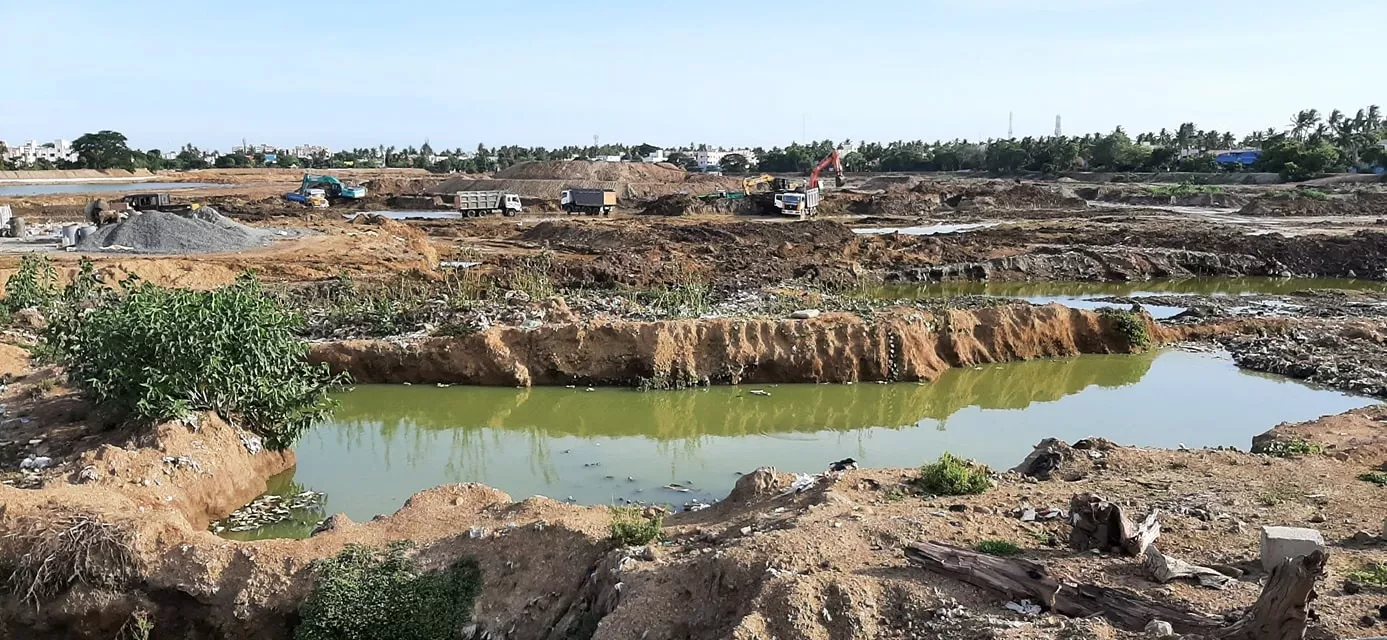
Chennai’s water security paradox is becoming increasingly evident as residents continue to struggle with poor groundwater quality despite the presence of multiple large water bodies across the city.
The situation raises critical questions about urban water management and the effectiveness of natural resource utilisation.The issue, now central to the Chennai groundwater quality crisis, highlights the disconnect between surface water availability and the condition of underground aquifers. Areas surrounding major reservoirs such as Chembarambakkam Lake are reporting groundwater that is either saline, contaminated, or unsuitable for regular consumption.Hydrology experts point out that the presence of lakes alone does not guarantee groundwater recharge or quality.Factors such as encroachment, pollution inflow, and inadequate recharge mechanisms can severely limit the benefits of these water bodies. In many cases, untreated sewage and industrial discharge seep into the ground, degrading aquifer quality over time.The Chennai groundwater quality crisis also reflects the impact of rapid urbanisation. As built-up areas expand, natural recharge zones are often replaced by concrete surfaces, reducing the ability of rainwater to percolate into the ground. This not only lowers groundwater levels but also concentrates contaminants in existing reserves.From a public health perspective, poor groundwater quality poses significant risks. Residents relying on borewells may be exposed to high levels of salinity, heavy metals, or microbial contamination, increasing the likelihood of waterborne diseases and long-term health issues.There is also an economic dimension.Households are increasingly dependent on private water suppliers or filtration systems, adding to living costs.
For lower-income communities, access to safe drinking water becomes both a financial and logistical challenge.Urban planners emphasise that restoring the link between surface water and groundwater systems is essential for long-term sustainability. This includes desilting lakes, preventing sewage inflow, and protecting catchment areas from encroachment.Strengthening stormwater management systems can also improve recharge during rainfall events.Experts advocate for decentralised water management approaches. Rainwater harvesting, recharge wells, and community-level water treatment systems can help improve groundwater quality and availability. Such measures are particularly important in a city prone to both water scarcity and flooding.Governance remains a key challenge. Multiple agencies oversee different aspects of water management, leading to coordination gaps.Effective implementation of policies requires integrated planning and consistent enforcement of environmental regulations.Climate variability further complicates the situation. Erratic rainfall patterns can lead to periods of both excess and scarcity, making it difficult to maintain stable groundwater conditions. Building resilience will require adaptive strategies that account for these fluctuations.As Chennai continues to grow, addressing the Chennai groundwater quality crisis will be critical to ensuring sustainable urban development. The presence of water bodies offers an opportunity, but without proper management, their potential remains underutilised.
The path forward lies in combining infrastructure investment with ecological restoration and community participation. Ensuring access to clean groundwater will not only improve public health but also strengthen the city’s long-term water security framework.
Also Read:Chennai Renewable Energy Growth Benefits From Record Capacity Addition
