


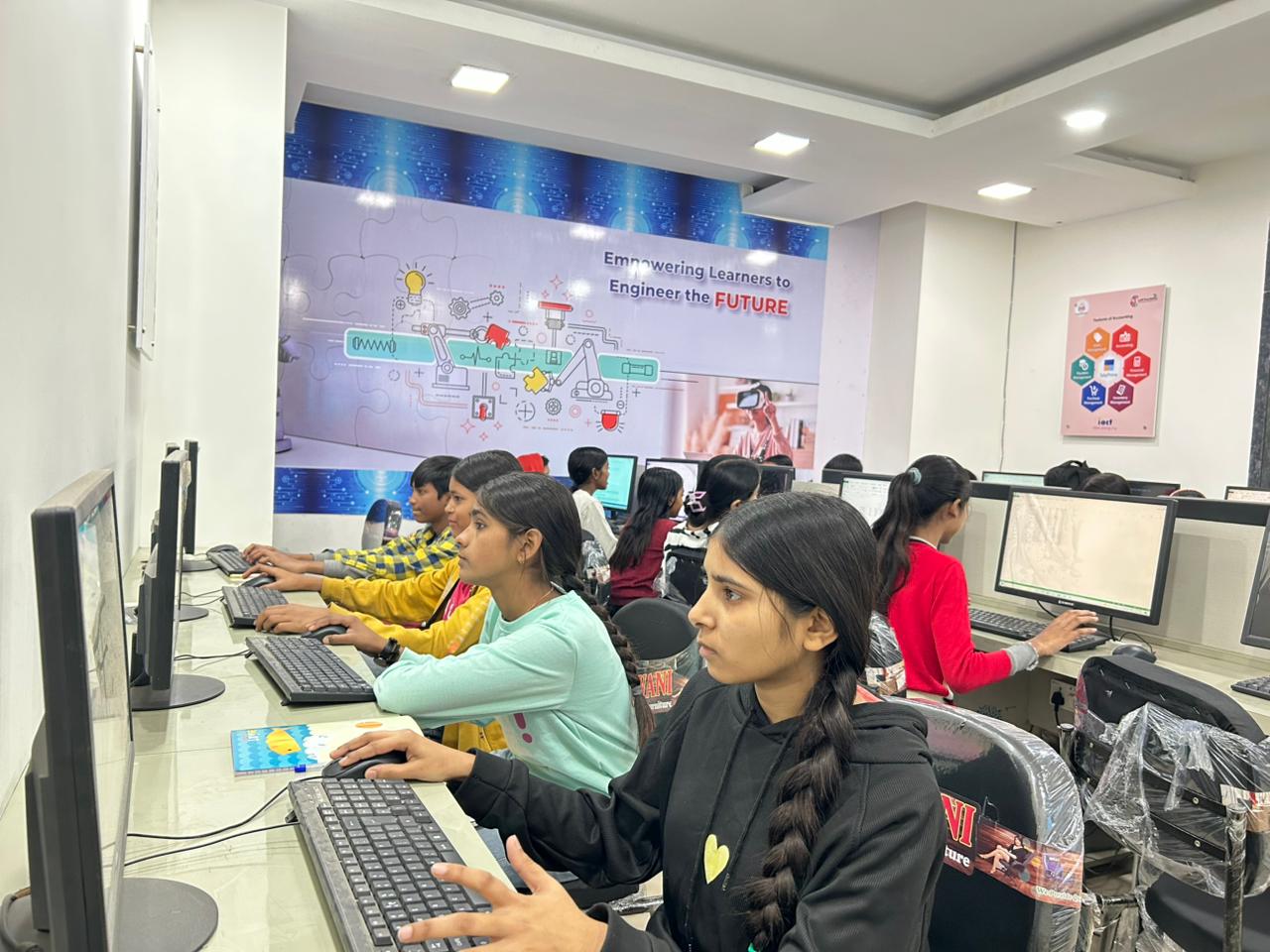
Chennai’s position as a growing technology and innovation hub is being reinforced through a large-scale industry-led skilling initiative that has trained thousands of students in emerging digital technologies.
The programme reflects a broader shift towards building industry-ready talent pipelines aligned with the evolving demands of the digital economy.The initiative, led by a global electronics major, has focused on equipping students with competencies in areas such as artificial intelligence, coding, and advanced digital tools. By targeting early-stage learners, the effort aims to bridge the gap between academic curricula and industry expectations—an issue that has long challenged India’s higher education ecosystem.Education and workforce experts note that such interventions are increasingly critical in urban centres like Chennai, where demand for skilled technology professionals continues to rise. As industries adopt automation, data-driven systems, and smart technologies, the need for a workforce trained in future-ready skills is becoming central to economic growth.The expansion of future tech skills training programmes also aligns with broader urban development priorities. Cities seeking to position themselves as innovation hubs must invest not only in infrastructure but also in human capital. Skill development initiatives create a foundation for sustainable economic activity, enabling local populations to participate in high-value sectors.
From a social perspective, the programme has the potential to enhance inclusivity by providing access to advanced training opportunities for students who may not otherwise have exposure to such technologies. This is particularly significant in bridging digital divides and ensuring that the benefits of technological advancement are more evenly distributed.Industry observers highlight that partnerships between corporations and educational institutions are becoming a key model for addressing skill gaps. By integrating practical training with academic learning, such collaborations can improve employability outcomes and reduce the mismatch between graduates’ skills and job market requirements.There are also implications for Chennai’s broader economic ecosystem. A steady pipeline of trained professionals can attract further investment from technology companies, strengthen the city’s startup environment, and support innovation-driven growth. In this context, initiatives focused on future tech skills training contribute not only to individual career prospects but also to the city’s long-term competitiveness.However, experts caution that scaling such programmes sustainably will require continuous curriculum updates, access to digital infrastructure, and support from public policy frameworks. Ensuring that training remains relevant in a rapidly changing technological landscape is essential to maintaining its impact.
As Chennai continues to evolve as a knowledge and technology hub, the emphasis on skill development signals a forward-looking approach to urban growth. The challenge ahead will be to expand these efforts while ensuring inclusivity, quality, and alignment with the needs of a dynamic global economy.
Also Read:Chennai Education Fair Connects Students To Opportunities
