


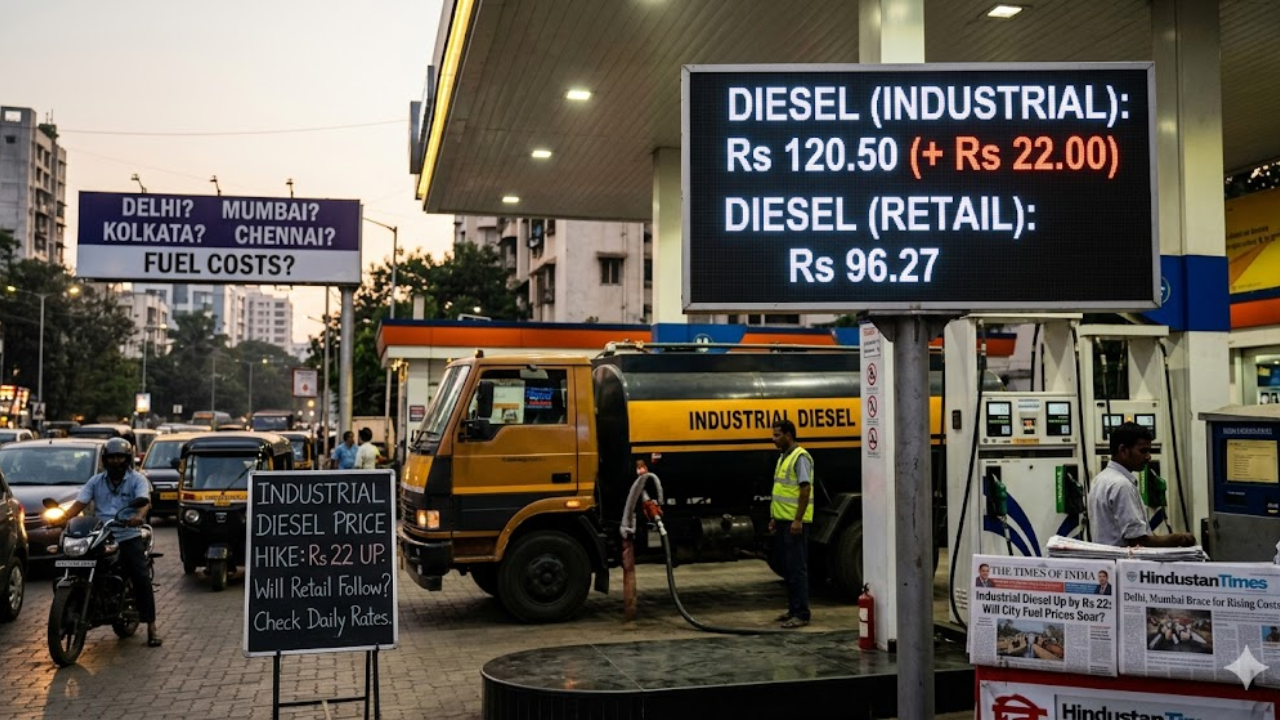
Fuel prices in Chennai remained largely stable at the end of March, offering short-term relief to commuters and transport operators navigating rising urban living costs.
While petrol and diesel rates have not seen immediate fluctuations, their sustained levels continue to influence household budgets, logistics expenses and broader mobility patterns across the city.The stability in Chennai fuel prices comes at a time when urban transport demand remains high, driven by daily commuting, commercial movement and service sector activity. For many residents, especially those reliant on two-wheelers and private vehicles, fuel expenditure constitutes a significant share of monthly costs. As a result, even minor price variations can have a cascading impact on spending patterns.Transport analysts note that Chennai fuel prices play a critical role in shaping modal choices within the city. Higher fuel costs often encourage a shift towards public transport systems such as buses and suburban rail networks, while stable pricing may sustain private vehicle usage. This dynamic has implications for congestion, air quality and long-term sustainability goals.From an economic standpoint, fuel pricing directly affects sectors dependent on road transport, including logistics, retail supply chains and last-mile delivery services. Industry experts point out that consistent pricing helps businesses plan operational costs more effectively, although the overall price level remains a concern for smaller operators with limited margins.
Urban planners also emphasise the environmental dimension. Chennai, like many Indian cities, faces challenges related to vehicular emissions and air pollution.Fuel pricing is often seen as an indirect tool influencing travel behaviour, with potential to encourage more energy-efficient mobility options. However, experts argue that pricing alone is insufficient without parallel investments in reliable and accessible public transport infrastructure.The impact of Chennai fuel prices extends to real estate and urban development trends as well. Areas with strong public transport connectivity tend to attract higher demand when fuel costs rise, as residents seek to minimise commuting expenses. This can influence housing preferences, land values and the spatial distribution of growth within the city.Looking ahead, the trajectory of fuel prices will remain closely linked to global energy markets and domestic taxation policies. For Chennai, ensuring resilience in urban mobility will depend on reducing dependence on fossil fuels through electrification, improved transit systems and integrated planning approaches.
As the city continues to expand, the interplay between fuel costs, transport choices and environmental outcomes will be central to shaping a more sustainable and inclusive urban future. Stable prices may offer temporary ease, but long-term strategies will determine how effectively Chennai manages its mobility and energy challenges.
Also Read:Chennai Vision Sciences Academy Strengthens Healthcare Training
