


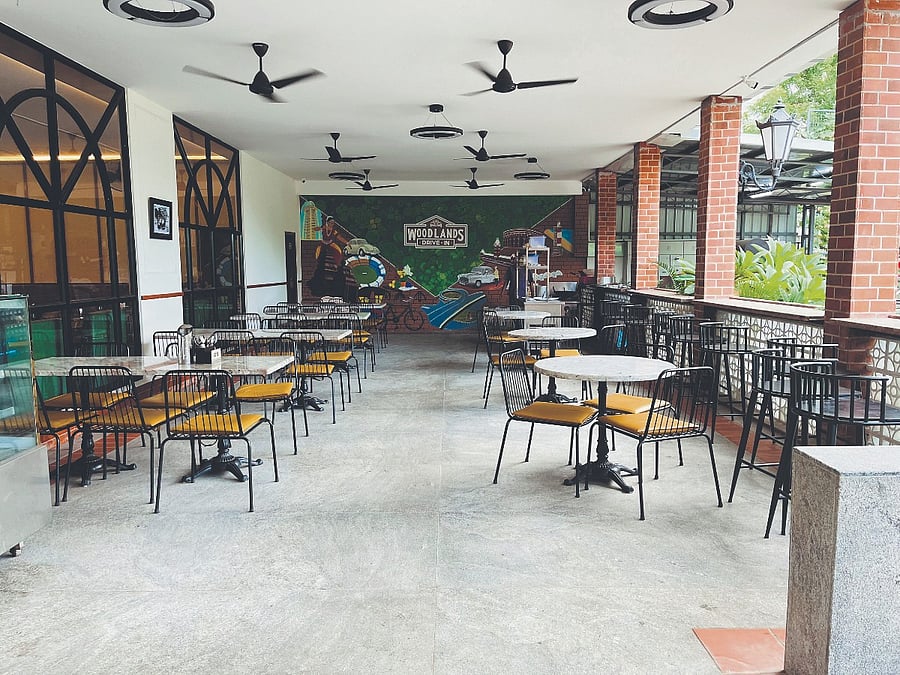
The evolution of Chennai festive dining is offering fresh insights into how urban consumption patterns are shifting in response to changing lifestyles, cultural expectations, and economic realities.
Restaurants across the city are increasingly reimagining festive menus and dining formats, blending tradition with modern sensibilities to cater to a diverse and discerning customer base.This transformation is not merely culinary but structural. The rise of curated dining experiences, limited-time festive menus, and pre-booked events reflects a move towards experience-led consumption in urban India. In Chennai, where food culture is deeply rooted in tradition, this shift highlights how heritage and innovation are being integrated within the hospitality sector.Industry observers note that Chennai festive dining is becoming a key revenue driver for restaurants, particularly during peak cultural and holiday periods. The sector benefits from increased footfall, higher average spending, and extended service hours. At the same time, operators are focusing on cost optimisation, sourcing strategies, and menu engineering to maintain profitability amid rising input costs.The trend also underscores the growing influence of younger, urban consumers who prioritise variety, ambience, and social experiences alongside food quality. This demographic shift is encouraging restaurants to invest in design, branding, and digital engagement, transforming dining spaces into multi-functional social hubs.From an urban economic perspective, Chennai festive dining contributes to a broader ecosystem that includes supply chains, delivery services, and informal employment. Seasonal demand supports farmers, distributors, and gig workers, reinforcing the interconnected nature of the city’s food economy.
However, the expansion of festive dining formats raises sustainability considerations. Increased consumption during peak periods can lead to higher food waste, energy usage, and resource consumption.Experts suggest that adopting sustainable practices — such as portion control, waste segregation, and energy-efficient kitchen operations — will be essential for long-term viability.The spatial dimension is equally important. Restaurants located in high-density commercial zones or mixed-use developments are better positioned to capitalise on festive demand due to accessibility and visibility. This has implications for real estate, with food and beverage establishments playing a significant role in activating urban spaces and enhancing their economic value.Labour dynamics within the sector are also evolving. Festive periods often require additional staffing, creating temporary employment opportunities but also highlighting challenges related to workforce management, training, and fair compensation.Ensuring equitable working conditions remains a critical aspect of sustainable sector growth.Importantly, Chennai festive dining reflects a broader cultural transition where traditional celebrations are increasingly moving into public and commercial spaces. This shift is reshaping how communities engage with festivals, making them more inclusive while also commercialising certain aspects of cultural practice.
As Chennai’s hospitality sector continues to innovate, the future of festive dining will depend on balancing creativity with sustainability and accessibility. Aligning business strategies with evolving consumer expectations and urban development goals will be key to sustaining growth in this dynamic segment of the city’s economy.
Also Read:Chennai Plot Housing Drives Urban Expansion Trends
