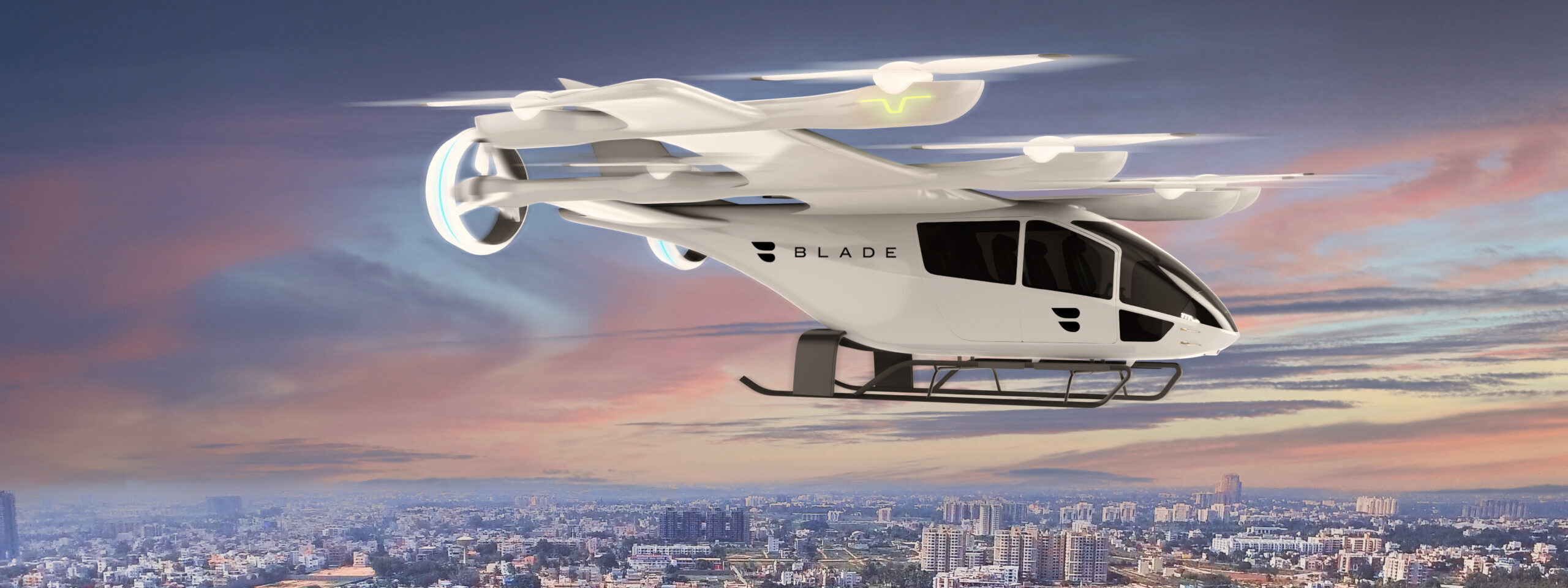
Chennai Facility Advances Sustainable Urban Air Mobility
Chennai has become a focal point for India’s emerging electric aviation sector with the launch of a new eVTOL prototyping and testing facility at a major technology campus in Thaiyur. Spanning over 60,000 square feet, the site is positioned to accelerate the development of electric vertical take-off and landing aircraft, signalling the city’s growing role in sustainable urban mobility solutions.
Urban planners and mobility analysts note that such developments could influence how cities integrate low-emission transport into existing infrastructure. Electric air taxis and cargo drones may relieve pressure on congested road networks while supporting climate-resilient urban planning, though operational, regulatory, and safety frameworks remain under development. The facility consolidates design, prototyping, integration, and subsystem testing under one roof, creating a dedicated engineering hub for passenger, relief, and cargo eVTOLs. Industry experts highlight that co-locating composite fabrication, electric powertrain assembly, avionics testing, and a Ground Test Vehicle facility can significantly shorten the product development lifecycle, from concept to certification-ready hardware.
Economic analysts suggest the hub may also attract skilled labour, technology partnerships, and ancillary industries to the Chennai region. By situating the facility within a premier research campus, the initiative connects cutting-edge academic expertise with commercial innovation, offering potential for collaborative research and regional workforce development. Senior officials emphasise that such hubs are critical for India’s ambitions in green transport technologies and for positioning urban centres as innovation-driven economies. From a sustainability perspective, eVTOLs represent a low-carbon alternative to conventional short-haul flights and road-based logistics. Integrating these vehicles into urban airspace requires careful planning to ensure equitable access, noise management, and community safety. Urban affairs commentators point out that the adoption of electric air mobility can only be transformative if it aligns with broader city goals for inclusivity, clean energy, and reduced emissions.
Local infrastructure may also see indirect benefits, including the potential for vertically integrated supply chains, specialised maintenance facilities, and improved last-mile connectivity for cargo services. While the technology remains nascent, Chennai’s facility illustrates how cities can actively participate in shaping sustainable mobility futures rather than being passive consumers of new technologies. The hub’s opening underscores the intersection of high-tech innovation, urban development, and climate-conscious planning. Observers stress that continuous dialogue among city planners, regulators, and technology providers will be essential to safely scale eVTOL operations and integrate them into India’s rapidly evolving urban landscapes.