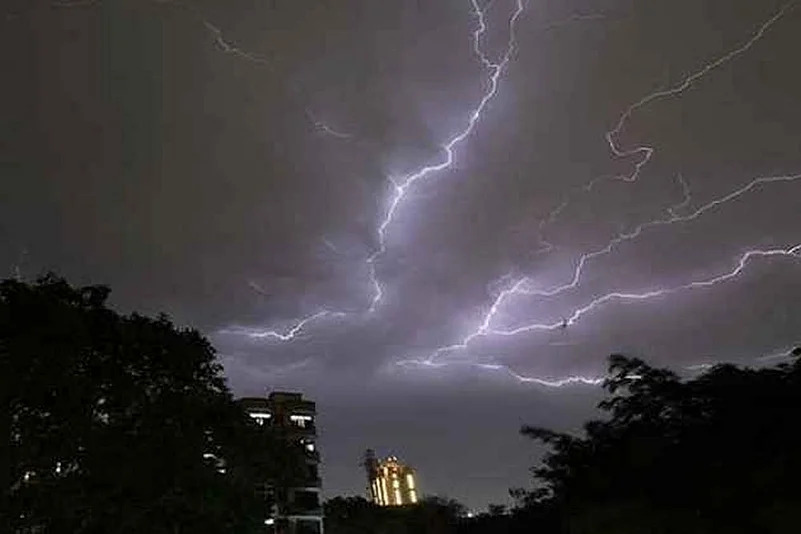
Chennai Faces Thunderstorm Risk In Southern Districts
Chennai and surrounding southern districts of Tamil Nadu are experiencing unusual atmospheric activity, with meteorologists flagging isolated thunderstorms and light rainfall today. The weather system, driven by a low-level circulation over the southern peninsula, has prompted warnings for residents in vulnerable areas, including low-lying regions and the Western Ghats. Urban planners and civic authorities note that even brief thunderstorms can disrupt transport, utilities, and local markets, highlighting the need for climate-resilient infrastructure.
Across South Tamil Nadu, the predicted rainfall is expected to be sporadic but accompanied by lightning and short-lived gusts of wind. In hilly and forested areas of the Western Ghats, light to moderate precipitation may persist over the next 48 hours. Though rainfall is not expected to be extensive, shifting wind patterns and dense cloud formation could trigger localized heavy showers. Experts stress that small-scale, intermittent weather events such as these are increasingly relevant for regional planning, as they influence water management, road safety, and the operation of energy networks.
For Chennai city itself, conditions remain largely stable, though early morning mist has reduced visibility in peripheral areas. Daytime temperatures are projected to hover around 33°C to 34°C, slightly moderated by cloud cover. Urban planners highlight that even mild atmospheric shifts in coastal cities can affect traffic flow, outdoor economic activity, and municipal services. Continuous monitoring is advised, particularly for construction zones, public transport operations, and real estate developments in suburban neighbourhoods. From an urban resilience perspective, this weather episode underscores the importance of preparedness in rapidly expanding cities. Lightning strikes and brief wind gusts can disrupt electrical grids, damage infrastructure, and impact businesses reliant on open-air operations. Municipal authorities are encouraged to maintain efficient drainage, issue timely alerts, and coordinate with disaster management teams to mitigate risks.
Planners also note that localized rainfall patterns influence stormwater management and can exacerbate flooding in poorly drained urban pockets.As climate models project increasing variability in regional monsoon patterns, short-term disturbances like today’s thunderstorm advisory are not isolated phenomena. Incorporating flexible urban design, climate-adaptive building codes, and early-warning systems becomes essential for safeguarding residents and sustaining economic activity. For Chennai and the southern districts, proactive measures in infrastructure planning and civic response will help reduce the human and financial impact of intermittent severe weather while maintaining the city’s liveability and growth trajectory.