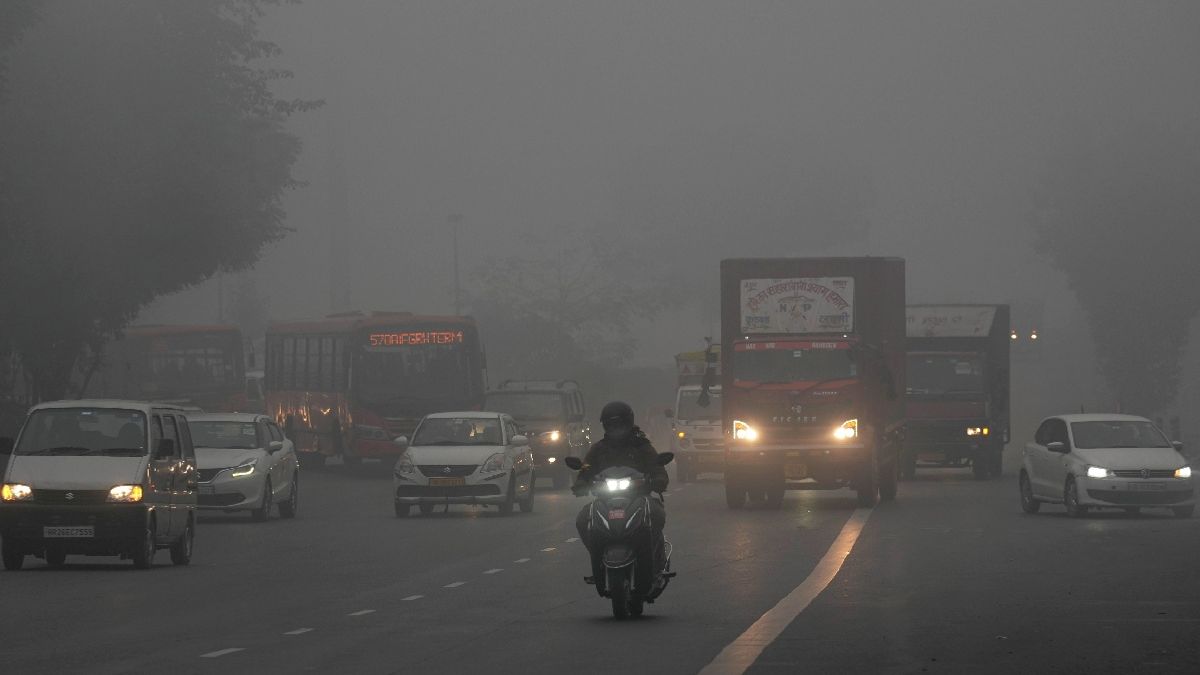
Bengaluru weather turns colder as yellow alert issued
Chennai is set to experience a significant cold wave as the India Meteorological Department (IMD) issues fresh warnings of falling temperatures. Minimums across the city and surrounding districts are expected to drop 2–4 degrees Celsius below normal, while early morning fog may affect visibility and commute. The persistent chill, influenced by a low-level circulation over South Kerala, signals a prolonged spell of dry, cold conditions through late December, with isolated rainfall possible towards the 23rd and 24th.
Meteorologists report that the developing low-pressure system over South Kerala and nearby regions is shaping the weather patterns across Tamil Nadu, Puducherry, and Karaikal. The circulation is reinforcing colder air at the surface, resulting in cooler nights and largely dry conditions. “The current atmospheric configuration is unusual for this period, extending the intensity of the cold wave beyond typical mid-December trends,” an IMD official explained.Urban planners and city authorities are closely monitoring the impact on daily life. Dense early morning fog in low-lying areas could disrupt traffic and slow commutes, increasing the demand for effective public transport management. Meanwhile, the persistent chill may elevate energy consumption in households and commercial buildings, placing added pressure on the city’s electricity grid. Industry experts stress that short-term weather variations like this highlight the importance of resilient urban infrastructure in India’s coastal cities.
The IMD forecast indicates that minimum temperatures are likely to remain below seasonal averages until 22 December. Light to moderate rainfall may occur sporadically on 23–24 December, but the broader pattern will continue to favour cold, dry nights. “Residents should take precautions during peak cold hours and stay updated with official bulletins to mitigate health and safety risks,” a senior meteorologist advised.
The extended cold wave underscores the relevance of climate-adaptive urban planning. Integrating green cover, energy-efficient buildings, and weather-resilient infrastructure can reduce the impact of abrupt temperature changes and promote equitable comfort for all citizens. Chennai’s experience this December highlights the need for sustainable urban solutions that balance climate variability with civic wellbeing, ensuring both public safety and environmental responsibility.