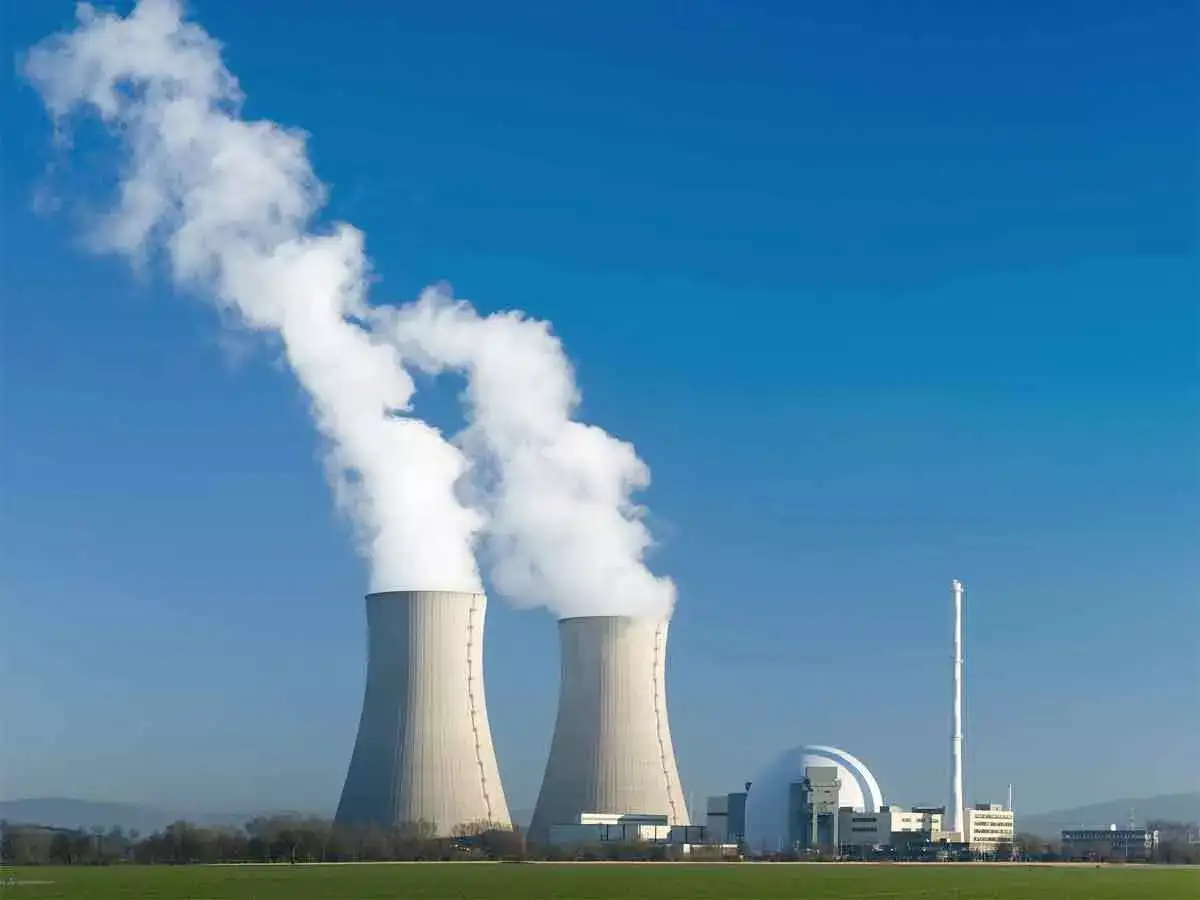
Chennai Explores Converting Old Thermal Sites Into Nuclear Power Hubs
The Indian government is weighing a transformative proposal to convert decommissioned thermal power plants—some of which are in and around Chennai—into modern nuclear energy hubs. A preliminary list of ten ageing thermal units across various states has been drawn up for potential repurposing. However, these sites remain under review by a national site selection committee, with final decisions pending detailed assessments on seismic safety, water access, and nearby population density. The initiative is part of India’s long-term push to decarbonise its energy sector while meeting future power demands equitably.
The move signals a significant shift in national energy planning, especially in urbanised zones like Chennai where energy security and land availability are in delicate balance. Experts note that the reuse of existing thermal infrastructure could drastically reduce construction timelines and local disruptions compared to building from scratch. However, the challenges are technical and socio-political—nuclear energy development demands robust risk assessment, transparent public communication, and long-term safety mechanisms. Chennai-based officials emphasise that while the proposal is promising, local community concerns must be addressed alongside environmental clearances. Central to this strategy is India’s goal to install up to 100 GW of nuclear capacity by 2047, including a mid-term target of 22 GW by 2032. At the end of 2024, the country had installed only 8.2 GW of nuclear power.
To bridge this gap, the Power Ministry is examining site-specific options like Small Modular Reactors (SMRs), which require less space and offer flexible deployment possibilities. For cities like Chennai, where land constraints and population density are key issues, SMRs could offer a safer and more scalable alternative, enabling urban energy independence with minimal carbon impact. Officials involved in the site selection process stress that nuclear plants cannot be sited arbitrarily. Each candidate site must pass rigorous environmental, technical, and safety checks. This includes evaluation of earthquake risks, access to large water bodies for cooling, and proximity to national grid infrastructure. The review process, therefore, will be staggered and iterative. For residents of cities like Chennai, transparency in this decision-making process will be critical in building public trust and ensuring that energy transition does not come at the cost of environmental or social safety.
While the transformation of retired coal-fired plants into nuclear facilities could herald a new era in clean energy infrastructure, its success will depend on inclusive planning, clear communication, and robust public safety assurances. If executed thoughtfully, the project could position Indian cities like Chennai as models for sustainable urban energy solutions, where old polluting assets are turned into engines of green progress.