


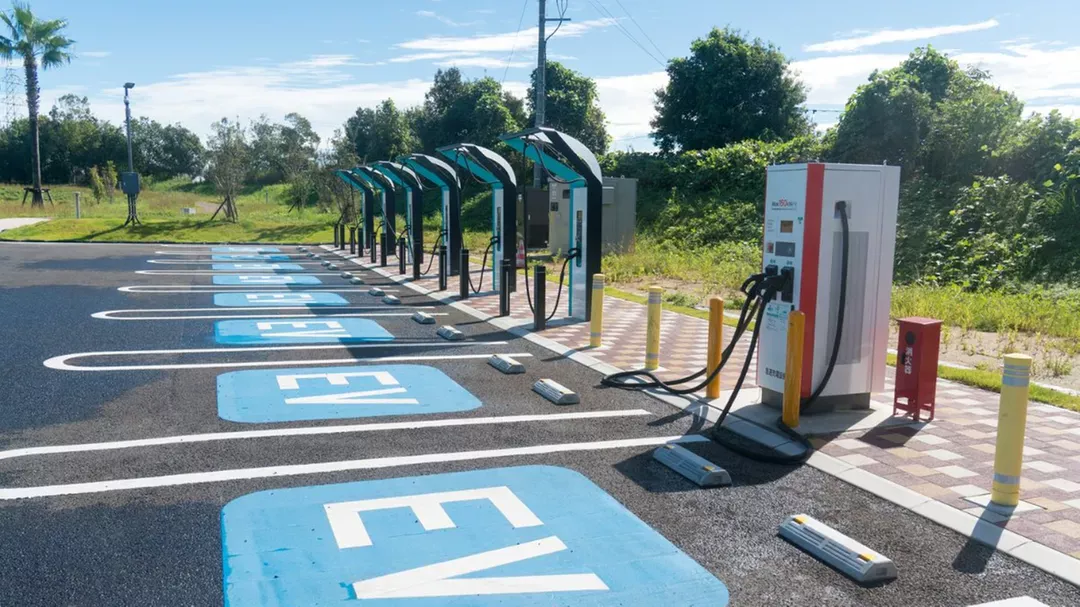
Chennai’s municipal administration is preparing to introduce a network of public Chennai EV charging stations across several high-activity neighbourhoods as part of efforts to strengthen the city’s electric mobility ecosystem.
The proposed installations are expected to support the growing number of electric vehicles on city roads while addressing one of the biggest barriers to adoption — limited access to reliable charging infrastructure.
According to officials involved in urban mobility planning, the initial rollout will focus on prominent commercial and residential districts including Anna Nagar, T Nagar, Nungambakkam, Adyar and Besant Nagar. These areas were selected due to their dense traffic flows, active commercial environments and strong demand for parking facilities.Each location is expected to host multiple charging points integrated with designated parking bays. The approach aims to allow motorists to recharge vehicles while using nearby parking areas, reducing idle vehicle time and improving convenience for drivers navigating congested city corridors.Urban transport analysts say the introduction of Chennai EV charging stations is closely linked to the rapid increase in electric two-wheelers and passenger vehicles across Indian metropolitan areas. Chennai has witnessed steady growth in EV adoption, driven by rising fuel costs, policy incentives and increasing awareness of cleaner mobility alternatives.Industry experts also note that demand is not limited to private vehicle owners. App-based mobility services, delivery fleets and logistics operators are increasingly transitioning to electric vehicles to reduce operational costs and meet sustainability commitments. For these operators, the availability of public charging infrastructure within commercial zones is critical for maintaining service efficiency.
Urban planners say integrating charging infrastructure with a smart parking framework could improve space utilisation in dense urban neighbourhoods. Municipal authorities are exploring models where EV charging facilities are installed alongside organised parking systems managed through digital platforms. Such integration allows city administrations to optimise curbside space while supporting emerging mobility technologies.From a climate perspective, expanding EV infrastructure forms a key component of long-term urban sustainability strategies. Road transport remains a major contributor to urban air pollution and carbon emissions in Indian cities. Encouraging electric mobility can significantly reduce local pollution levels, particularly when combined with renewable energy-powered charging systems.However, experts emphasise that infrastructure planning must keep pace with vehicle adoption. Without adequate public charging networks, many urban residents — particularly those living in apartment complexes without dedicated parking — may find it difficult to transition to electric vehicles.Municipal authorities are therefore examining additional locations across the city where future Chennai EV charging stations could be deployed. The broader objective is to develop a distributed network of charging facilities that supports commuters, residents and commercial fleets alike.
Urban mobility specialists argue that expanding charging infrastructure is essential for creating a reliable EV ecosystem. As Chennai continues to grow as a major economic and logistics hub in southern India, integrating cleaner transport technologies into everyday urban infrastructure will play a key role in shaping a more sustainable and climate-resilient metropolitan future.
Also Read:Bengaluru Bidadi Township Project Land Acquisition Advances
