


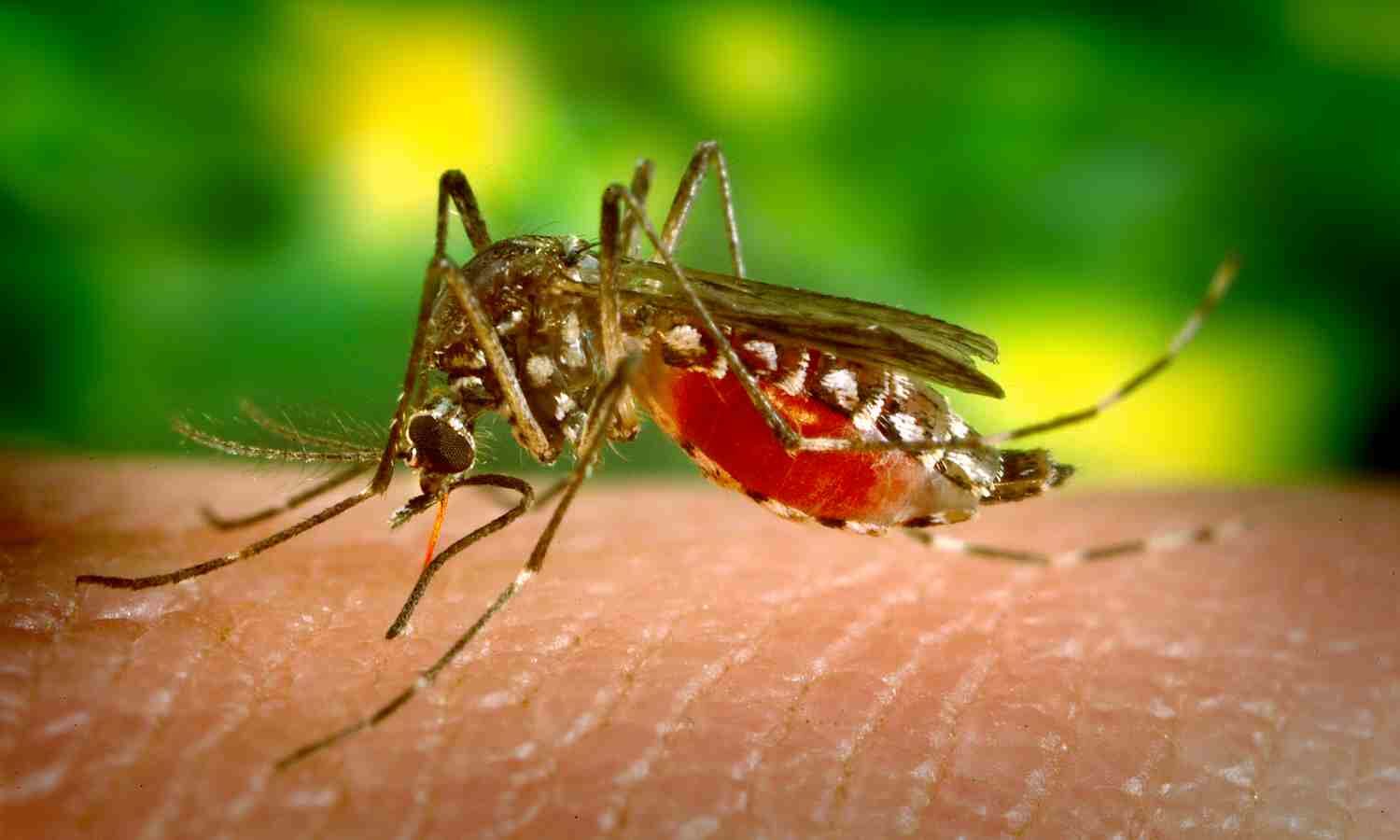
As Chennai enters its critical dengue season, the Greater Chennai Corporation (GCC) has significantly escalated its vector control and source reduction measures across the city, responding to a notable surge in dengue cases this year. This intensified public health drive is crucial for safeguarding the city’s residents and underscores the continuous challenge of urban sanitation and disease prevention in a rapidly developing metropolis, aligning with the broader vision of creating healthier, more resilient, and eco-friendly urban environments.
The urgency of the situation is underscored by recent data: from January to July 8, 2025, Chennai recorded 522 dengue cases, a marked increase from 381 during the corresponding period in 2024. The GCC’s vector control department has strategically ramped up its efforts, particularly targeting high-incidence zones. Adyar has emerged as the most affected area this year, reporting 111 cases, followed by Shollinganallur with 63, indicating specific geographical vulnerabilities that require concentrated intervention. Historically, Adyar has consistently shown higher dengue incidence, reporting over 250 cases in both 2023 and 2024, contrasting with zones like Royapuram and Tondiarpet, which typically report fewer cases.
Also Watch: “Mumbai will rock, shine and always be India’s best city to live.” In an exclusive, MHADA CEO Sanjeev Jaiswal (IAS) talks about Mumbai’s enduring charm, livability, and the government’s focus on making it affordable for all
A significant component of the prevention strategy involves aggressive waste removal, directly targeting mosquito breeding grounds. In June alone, over 23 tonnes of waste were cleared citywide, including 2,690 kg of used tyres and a staggering 20,455 kg of water-holding containers such as broken pots and drums. Notably, Adyar accounted for the highest volume of waste removal, with 3,596 kg. This focus is critical because Aedes mosquitoes, the primary vectors for dengue, breed in clean, stagnant water, often found in seemingly innocuous domestic items like unused tyres, broken containers, sunshades, and even refrigerator trays.
Public health experts, however, caution that reported case numbers might not fully reflect the actual incidence, suggesting that lower figures in some zones could be indicative of under-reporting rather than lower disease prevalence. Residents in areas with fewer reported cases, such as Old Washermanpet, often claim that many instances go unnoticed or undocumented, highlighting the need for enhanced community-level surveillance and reporting mechanisms.
Dengue cases in Chennai typically peak between August and October, a trend corroborated by data from the World Health Organisation’s 2020 Dengue Bulletin and studies by Tamil Nadu’s Directorate of Public Health. Intermittent rains during the southwest monsoon are particularly conducive to mosquito breeding, as they create numerous small pockets of stagnant water, whereas heavier northeast monsoon rains tend to flush away larvae. Dr T.S. Selvavinayagam, Director of Public Health, emphasised the urgency, stating, “We have around 10 days to act before the next breeding cycle begins,” urging proactive vector control measures. The city has previously experienced major dengue outbreaks, notably in 2012 (13,204 cases) and 2017 (23,294 cases), underscoring the severity of the threat and the imperative for sustained, multi-sectoral public health interventions to protect Chennai’s populace.
Also Read : Air India Flight AI 2744 Skids Off Mumbai Runway Amid Rain Today
