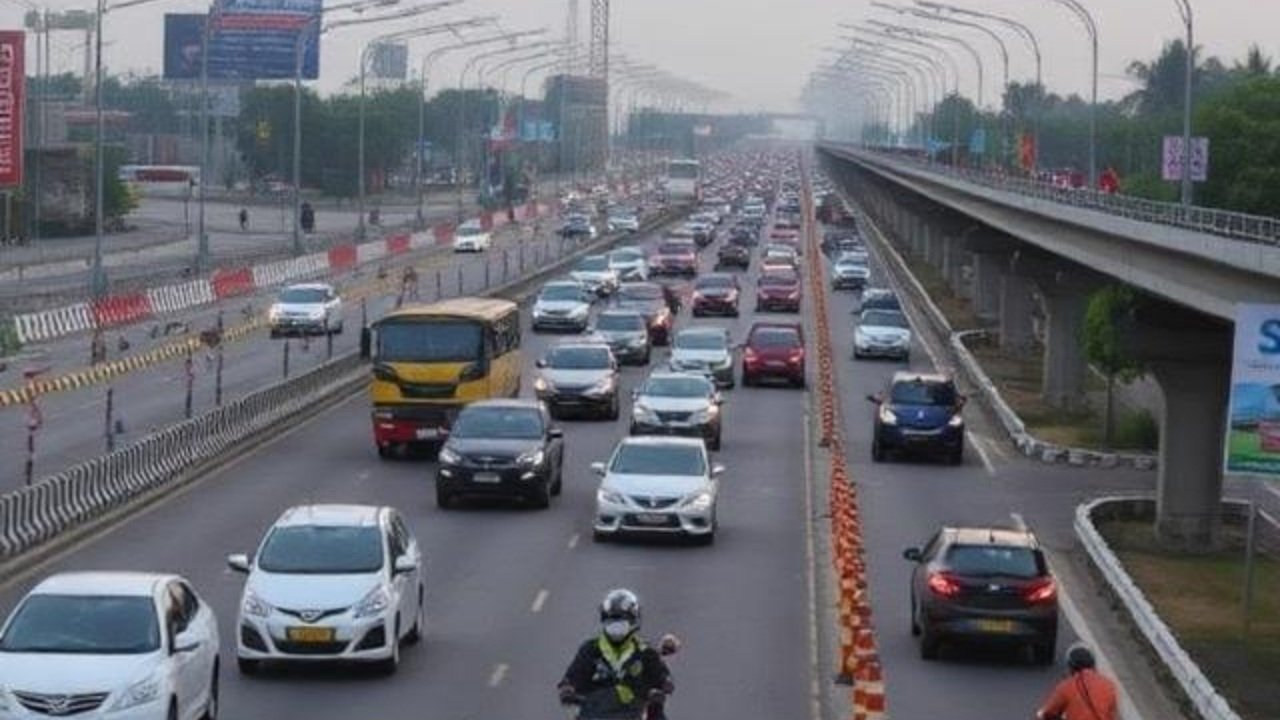
Chennai Elevated Corridor Project Set to Transform Traffic
Chennai’s urban mobility landscape is poised for a significant shift with the awarding of a ₹2,163 crore contract for a new elevated corridor along the city’s East Coast Road. The project, secured by KNR Constructions under the Hybrid Annuity Model (HAM), is designed to reduce congestion and enhance connectivity between key southern neighbourhoods, reflecting a broader push toward resilient and future-ready transport infrastructure in the metropolis.
Spanning roughly 13.3 kilometres, the elevated corridor will link West Avenue Road to East Coast Road, connecting the bustling neighbourhoods of Thiruvanmiyur and Uthandi along SH 49. City planners expect the four-lane structure to alleviate traffic on surface roads, reduce travel times, and integrate with Chennai’s wider urban transport network. Officials suggest that by diverting a portion of vehicular load from existing streets, the project may also lower emissions and improve urban air quality in one of the city’s most densely trafficked zones.
Execution of the corridor will follow a 36-month timeline, after which the concession agreement provides a five-year operational phase. Urban development experts note that implementing such large-scale elevated roads under HAM, which blends public funding with private investment, allows for risk-sharing while maintaining fiscal discipline. This model has gained traction in Indian cities aiming to expand infrastructure rapidly without overburdening municipal budgets. Beyond traffic relief, the corridor has broader implications for Chennai’s urban resilience. A senior urban planner highlighted that elevated roads, when combined with proper stormwater management, can reduce flood risks in low-lying areas a persistent challenge for coastal cities facing climate variability. Moreover, by integrating pedestrian and service access points into the corridor’s design, planners aim to maintain inclusivity and accessibility for diverse city residents, aligning with contemporary people-first urban strategies.
Economic analysts predict that the corridor could stimulate localized commercial activity, particularly in areas adjacent to elevated entry and exit points. With improved access, real estate values along the stretch may experience moderate appreciation, though experts caution that careful urban zoning and environmental safeguards will be essential to prevent unplanned sprawl. While elevated roads are not a universal solution, the project represents a deliberate attempt to balance immediate congestion relief with long-term urban sustainability. Its progress will serve as a case study for other Indian metros seeking climate-conscious, inclusive, and economically viable infrastructure models. Municipal authorities indicate that close monitoring and coordination with transport and civic departments will be crucial to ensure safety, environmental compliance, and operational efficiency once the corridor opens to traffic.