



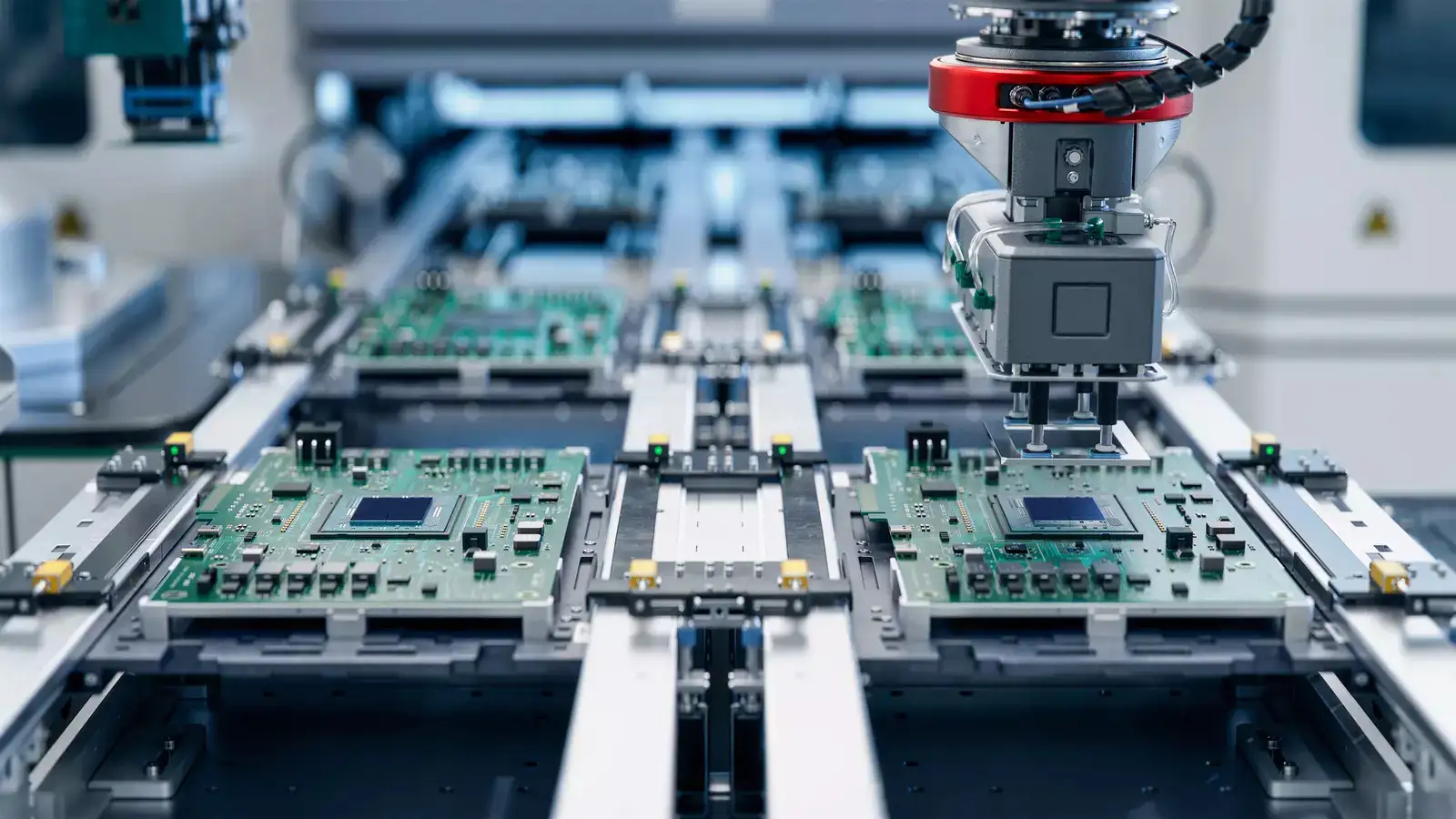
Chennai is set to strengthen its position in India’s high-value manufacturing landscape as a global technology firm initiates plans to establish an electronics production facility in the city.
The move signals continued investor confidence in Tamil Nadu’s industrial ecosystem and highlights the city’s growing role in advanced electronics manufacturing.The proposed unit is expected to focus on producing specialised electronic equipment used in testing and measurement systems—critical components for sectors such as telecommunications, semiconductors, and defence. Industry experts note that such facilities go beyond conventional assembly operations, contributing to higher-value manufacturing and technical skill development within urban economies.For Chennai, the expansion of electronics manufacturing represents a strategic shift towards knowledge-intensive industries. The city already hosts a strong base of automotive and IT services, and the addition of precision electronics manufacturing can diversify its economic profile. Urban planners suggest that this transition aligns with broader efforts to build resilient, future-ready cities that can adapt to global supply chain shifts.The development is also likely to influence the city’s real estate and infrastructure landscape. Industrial corridors and special economic zones around Chennai have been attracting sustained investment, and new manufacturing units typically drive demand for logistics hubs, warehousing, and workforce housing. Experts indicate that such investments can catalyse growth in surrounding micro-markets, reshaping land use patterns and accelerating suburban development.
From a sustainability perspective, advanced electronics manufacturing presents both opportunities and challenges.
While these facilities tend to be less resource-intensive than heavy industries, they require reliable energy and water supply. Industry observers highlight the importance of integrating renewable energy sources and efficient resource management systems into new industrial developments to ensure alignment with climate-resilient urban planning goals.The move also reflects India’s broader push to become a global manufacturing hub, particularly in electronics and semiconductor-related sectors. Chennai’s established port connectivity, skilled workforce, and supportive policy environment make it a competitive destination for such investments. A senior official involved in industrial development noted that attracting high-technology manufacturing can create multiplier effects across local supply chains, benefiting small and medium enterprises.Socially, the expansion of electronics manufacturing could generate employment opportunities across skill levels, from technical engineers to support staff. This aligns with the need for inclusive economic growth in rapidly urbanising regions, where job creation remains a key priority. Training and upskilling initiatives will be crucial to ensure that the local workforce can fully participate in these emerging sectors.
As Chennai continues to evolve into a diversified industrial and technology hub, the success of such projects will depend on how effectively infrastructure, sustainability, and workforce development are integrated. The coming years will test whether the city can translate investment momentum into long-term, balanced urban growth.
Also Read:Chennai Voter Awareness Campaign Uses Public Art
