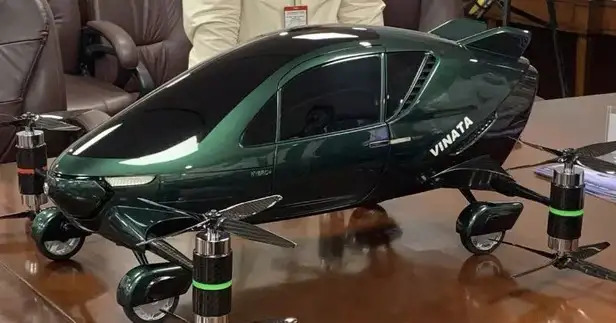
Chennai Develops India First Electric Urban Air Cab
Chennai is emerging as a hub for India’s first electric urban air taxi, signalling a shift in the country’s approach to sustainable urban mobility. A local startup is developing the e200x, an electric air vehicle designed to operate as an on-demand urban air taxi. By integrating advanced digital simulation technologies and onboard computing systems, the project aims to accelerate deployment while maintaining high safety standards. This initiative represents a significant milestone for India’s nascent urban air mobility sector and offers potential implications for congested metropolitan transport networks.
The startup is employing a “digital twin” approach, creating a detailed virtual replica of the aircraft. This allows engineers to simulate millions of flight kilometres, test emergency procedures, and fine-tune flight controls in a controlled virtual environment before actual test flights. Industry experts note that this method not only reduces developmental risk but also provides a framework for predictive maintenance, allowing potential technical issues to be identified before they escalate in physical operations.
Urban planners and transport analysts highlight that integrating electric air taxis into metropolitan transport could reduce road congestion, shorten travel times, and cut carbon emissions compared with conventional vehicle use. However, safety, air traffic management, and regulatory oversight remain central challenges. The project’s emphasis on high-performance onboard computing for real-time data processing including camera feeds and radar addresses some of these operational risks, enabling the aircraft to make instantaneous navigational decisions during flight. From an economic perspective, the project signals a growing domestic capability in high-technology aerospace manufacturing. Analysts suggest that fostering such ventures could stimulate local employment in advanced engineering and urban mobility services, while also positioning India as a participant in the global electric aviation market.
For real estate and urban infrastructure, the introduction of air taxis may influence the development of rooftop vertiports and integrated mobility hubs, particularly in rapidly expanding cities like Mumbai, Bengaluru, and Chennai itself. Environmental observers see the initiative as a step towards zero-carbon urban transport solutions. Electric vertical take-off and landing (eVTOL) vehicles can reduce dependency on fossil fuels while supporting the broader climate resilience goals of Indian cities. Yet, urban authorities will need to develop regulatory frameworks and infrastructure strategies to safely accommodate these vehicles alongside existing transport networks. As the project moves toward physical flight trials, its success will depend on rigorous safety validation, regulatory approvals, and integration into broader urban transport ecosystems. If scaled effectively, electric air taxis could redefine city travel, creating a more sustainable, accessible, and technologically advanced urban mobility landscape.