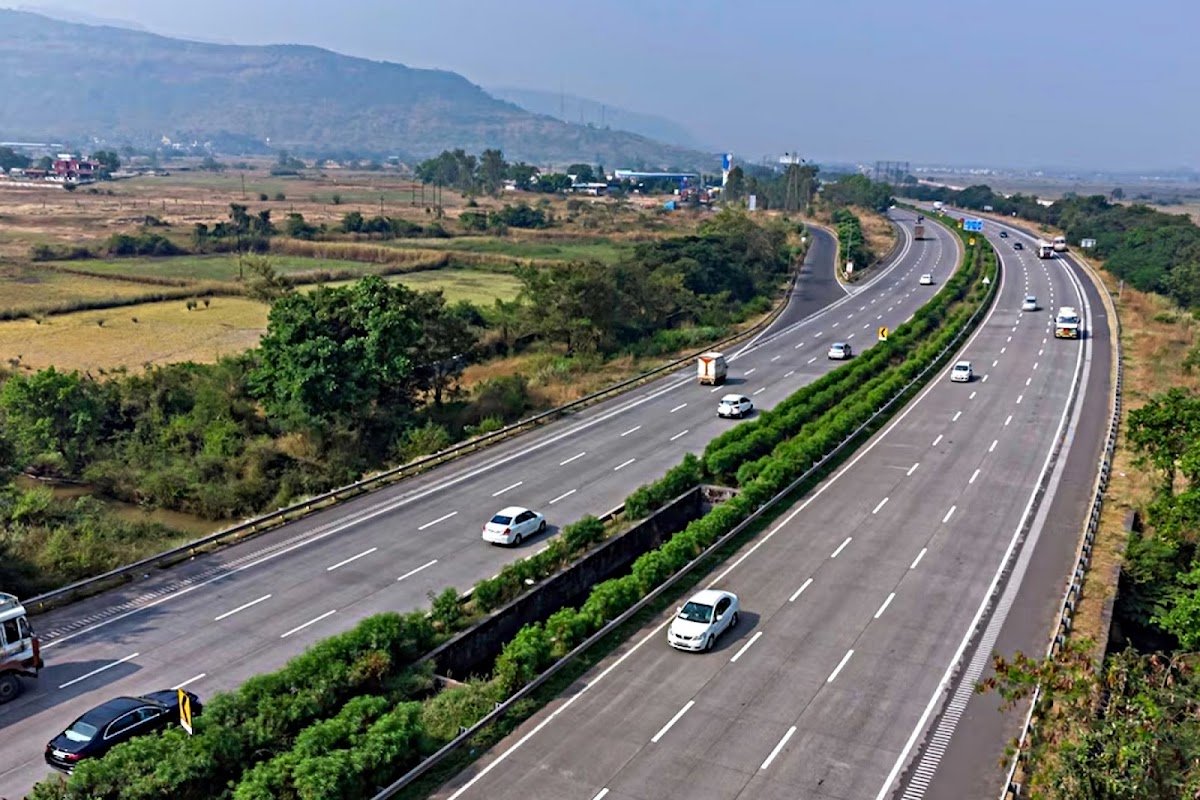
The Union Government has announced plans for a major national highway corridor aimed at reducing the travel distance between Chennai and New Delhi by approximately 320 kilometres.
The proposed route, which will stretch from the western city of Surat towards Kurnool, is expected to create a direct north–south link, connecting key urban and industrial hubs while easing pressure on existing highways. Transport analysts say this corridor could transform freight logistics and passenger mobility between India’s southern and northern regions.According to senior officials in the Ministry of Road Transport and Highways, the new corridor is designed to reduce transit times significantly for long-distance travel, supporting both economic efficiency and regional trade. The project is anticipated to alleviate congestion on current national highways, which are operating near capacity, particularly along freight-heavy segments connecting ports, industrial zones, and metropolitan centres. Urban planners note that streamlining interstate transport corridors is essential for inclusive urban and regional development, as it reduces travel costs and enhances access to markets and services.
The alignment of the highway through Kurnool and adjoining districts is expected to bolster local economies by creating improved linkages to Chennai, one of the country’s largest logistics and industrial centres. Industry experts highlight that enhanced road connectivity can catalyse investment in manufacturing, warehousing, and urban infrastructure along the corridor, while also strengthening supply chain resilience. The project aligns with national strategies to improve the efficiency of India’s transportation network, reduce carbon-intensive detours, and support more sustainable freight and passenger movement.Environmental and urban development officials emphasise that corridor planning must incorporate climate-resilient design, particularly in flood-prone and ecologically sensitive regions. Green infrastructure measures such as wildlife crossings, rainwater harvesting, and energy-efficient lighting are increasingly integrated into national highway projects to limit environmental impact. By embedding sustainability principles into the corridor’s design, authorities aim to balance economic benefits with responsible infrastructure expansion.Construction of the highway corridor is expected to stimulate employment both directly and indirectly, from civil engineering and construction activities to logistics and service sectors.
As the project progresses, policymakers stress the importance of integrating regional transport hubs, feeder roads, and public transit nodes to ensure the corridor supports inclusive and people-first urban mobility. With a shorter and more efficient Chennai Delhi Highway, the initiative could set a benchmark for future national highway planning, reinforcing strategic connectivity while promoting equitable economic growth.
Chennai Infrastructure Boost with National Highway Plan.