


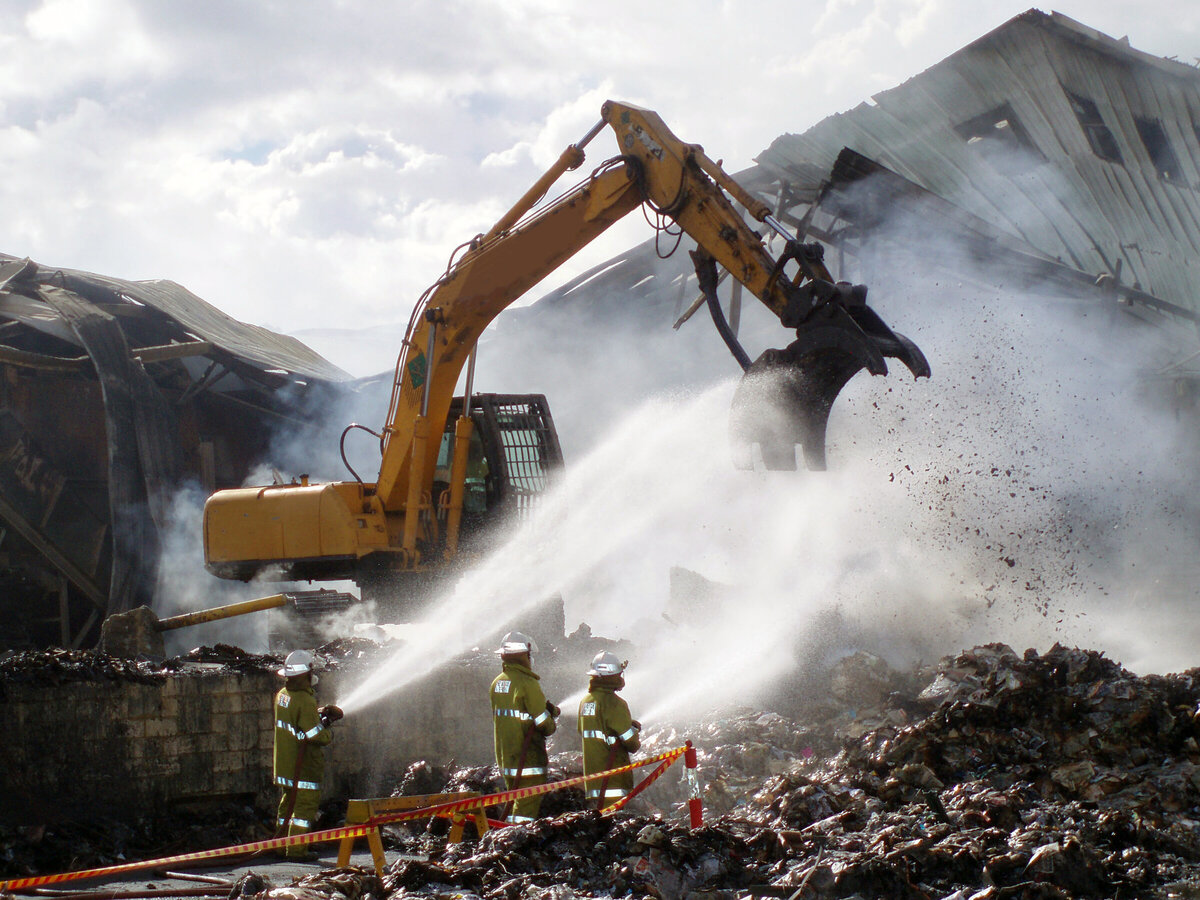
The Greater Chennai Corporation (GCC) has announced a new set of stringent construction norms under the banner of ‘Clean and Safe Construction Guidelines’.
These regulations, effective from May 21, represent a significant policy shift toward environmentally accountable urban development.
With Chennai’s air quality frequently under strain due to large-scale infrastructure activity, the civic body’s proactive stance marks a pivotal moment in urban governance. The guidelines mandate that all construction and demolition sites — regardless of size — comply with a uniform safety and environmental protocol, aimed at reducing particulate matter emissions and safeguarding construction workers.According to the official circular, construction barricading will now be mandatory, with specifications tailored to the project’s scale. Sites under one acre must be enclosed with six-metre-high tin or metal sheets, while larger projects or buildings rising beyond 70 metres will require ten-metre-high barriers. This move is expected to significantly cut down on dust dispersal and unauthorised access.
In a city where demolition debris and open excavation have become synonymous with neighbourhood disruption, the emphasis on dust control is notable. All structures under construction or demolition must now be cloaked in high-density fabric or dual-layer green netting. Additionally, dust-intensive activities like drilling and excavation must include real-time water sprinkling or fogging mechanisms to suppress airborne particles.High-rise projects, defined as those exceeding 18.5 metres, will be further subject to advanced compliance requirements, including the installation of CCTV surveillance and sensor-based air quality monitors. The GCC will retain access to these feeds, allowing real-time inspections and enforcement actions, making it one of the most technologically monitored urban construction environments in India.
The guidelines also introduce a tiered penalty system, categorising violations by severity and built-up area. Fines will start at ₹1,000 and may escalate up to ₹5 lakh for severe breaches, especially in cases of deliberate non-compliance. Persistent offenders risk temporary suspension of construction activities following mandatory rectification notices and grace periods.While this regulatory shift places a greater onus on builders and developers, the broader intent lies in aligning Chennai with global sustainable construction practices. Urban planners and civic activists have long criticised the city’s laissez-faire approach to construction dust, inadequate worker protection, and lack of on-site monitoring.
The GCC’s move directly addresses these systemic gaps, signalling that environmental integrity and urban expansion can no longer exist in silos.
These new rules come at a time when cities across India are grappling with rising pollution, extreme weather events, and diminishing liveability scores. By codifying sustainability into its construction framework, Chennai positions itself as a frontrunner among Indian metros aiming to create healthier, greener, and more humane urban environments.The success of these reforms will, however, depend heavily on consistent enforcement, public cooperation, and the willingness of the private sector to embrace green construction not as a compliance burden, but as a civic duty and long-term investment.
Also Read : Mumbai BEST Revamps Bus Routes to Enhance Metro Access
Chennai Cracks Down on Dust at Construction Sites
