


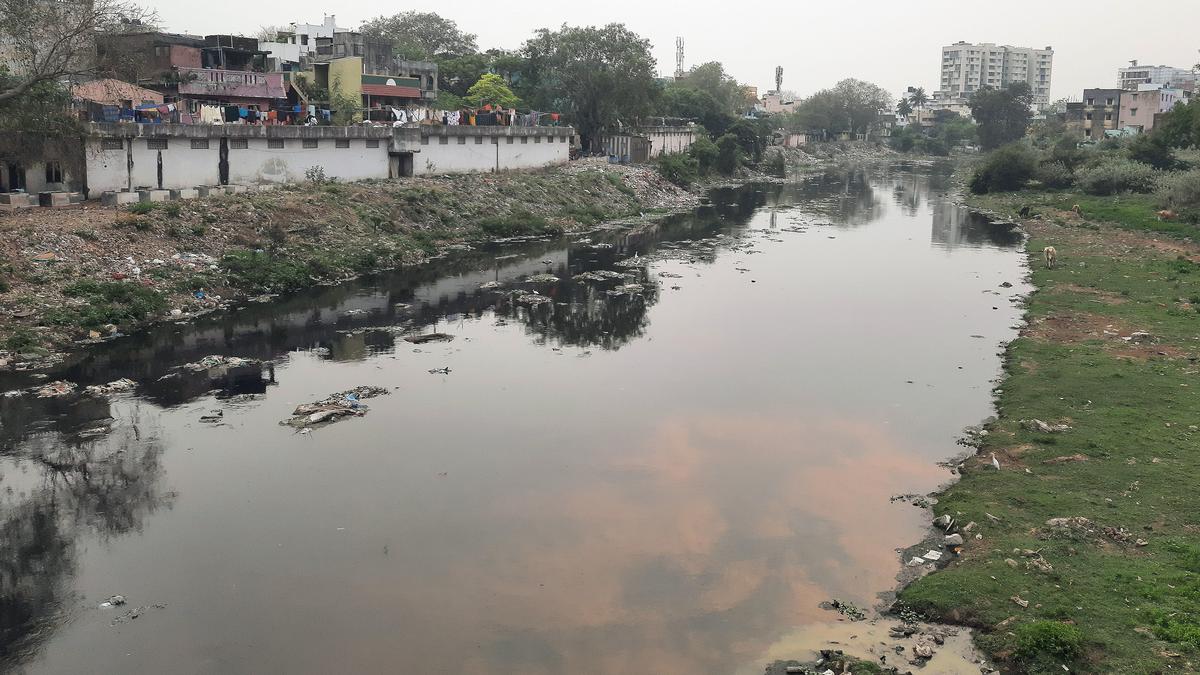
A key infrastructure project in Chennai has come under tighter environmental oversight, with authorities directing stricter monitoring of construction debris entering the Cooum river during ongoing elevated corridor works.
The intervention highlights growing concerns over how large-scale urban infrastructure projects intersect with fragile water bodies in dense cities.The directive focuses on ensuring that debris generated during the Chennai Port–Maduravoyal corridor construction does not enter the Cooum river, a waterway already burdened by pollution and encroachments.For a city that faces recurring flooding and waterlogging, even small disruptions to river flow or capacity can have disproportionate impacts on surrounding neighbourhoods.Urban planners point out that the Cooum is not just a drainage channel but a critical component of Chennai’s stormwater network. Any obstruction—such as silt, construction waste, or temporary dumping—can reduce its ability to carry excess rainwater during extreme weather events. With climate variability increasing the frequency of intense rainfall, maintaining the ecological and hydraulic health of such rivers has become essential to urban resilience.Officials associated with the project have indicated that stricter supervision mechanisms, including on-site inspections and compliance reporting, are being reinforced. Contractors are expected to follow protocols for debris handling, disposal, and containment to prevent runoff into the river.
This includes deploying physical barriers and ensuring that construction material is stored away from the riverbanks.The move also reflects a broader shift in how Indian cities are approaching infrastructure development. While transport corridors are vital for easing congestion and supporting economic activity, they are increasingly being evaluated through the lens of environmental sustainability. Balancing growth with ecological protection is becoming a central challenge, particularly in coastal cities like Chennai where water systems play a crucial role in both flood mitigation and groundwater recharge.Industry experts note that infrastructure projects intersecting with rivers require integrated planning that goes beyond engineering design. This includes environmental impact assessments, continuous monitoring, and coordination between civic agencies, transport authorities, and pollution control bodies. Failure to align these elements can lead to long-term urban risks, including degraded water quality and increased flood vulnerability.For residents living along the Cooum, the directive is likely to be seen as a necessary safeguard. The river has long been at the centre of restoration efforts, and preventing further contamination during construction is critical to those initiatives. At the same time, the corridor project remains an important mobility upgrade, intended to improve freight and passenger movement across the city.
As Chennai continues to expand its infrastructure network, the emphasis on protecting natural systems is expected to intensify. The effectiveness of these monitoring measures will depend on consistent enforcement and transparent reporting, shaping how future projects are designed and executed in environmentally sensitive urban zones.
Also Read:Chennai AI Adoption Boosts Startup Ecosystem
