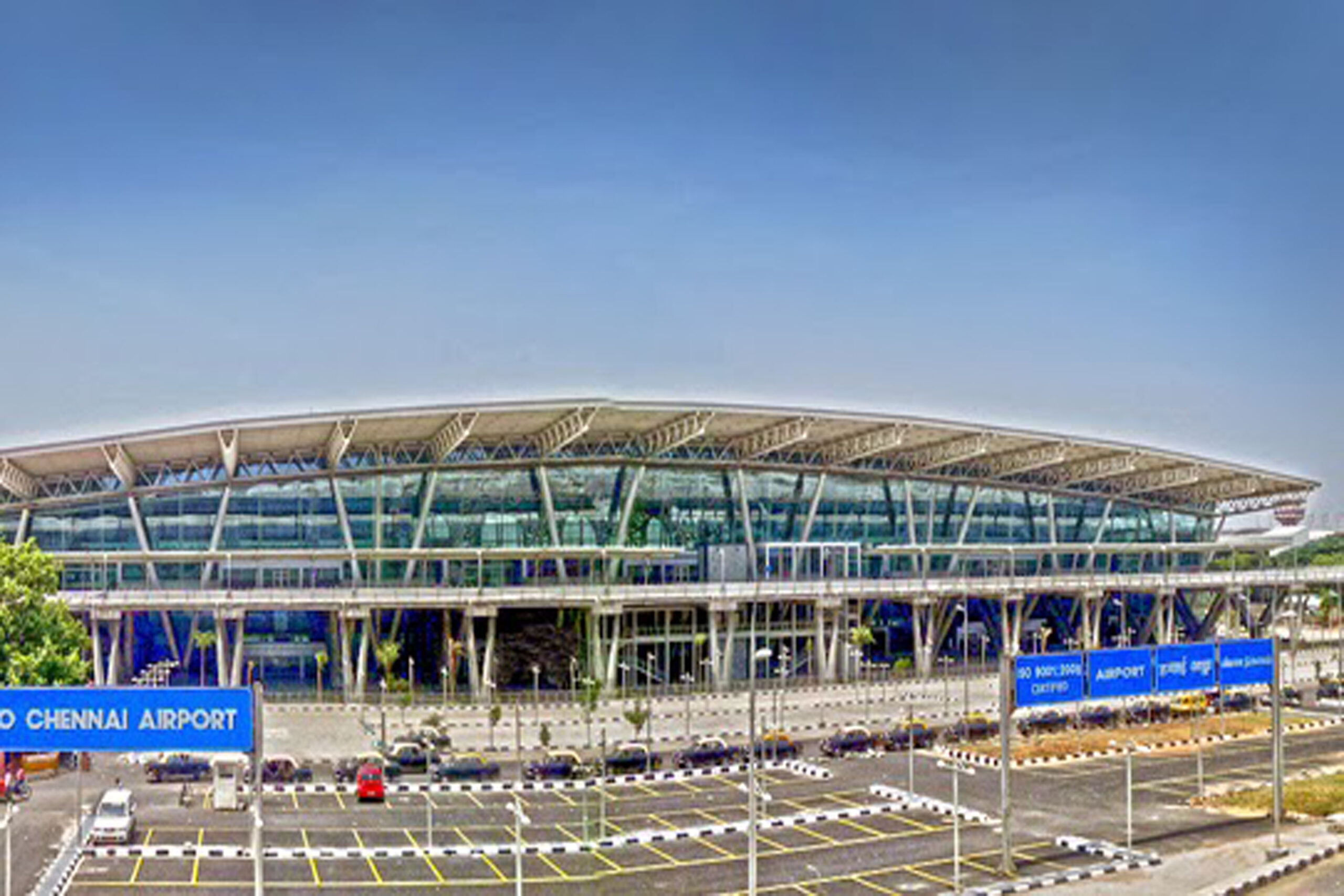
Chennai Airport Faces Weather Led Flight Disruptions
Flight operations at Chennai’s primary aviation gateway were disrupted early Wednesday after dense fog sharply reduced visibility, forcing airport authorities to activate Low Visibility Procedures and recalibrate daily schedules. The weather event, which unfolded during peak early-morning hours, highlighted the growing operational risks faced by coastal airports amid shifting climate patterns and rising passenger volumes.
Meteorological monitoring at the airport indicated that atmospheric conditions deteriorated steadily after midnight. While visibility levels were initially sufficient for routine operations, they weakened significantly before dawn, prompting aviation safety teams to initiate precautionary protocols. As visibility thresholds fell below safe operating standards, specialised procedures were brought into force to allow limited aircraft movement while prioritising passenger and runway safety. Low Visibility Procedures, commonly referred to as LVP, are activated when pilots and ground controllers must rely heavily on instrument-based navigation due to restricted visual cues. These protocols allow operations to continue at reduced capacity but often result in delays, rescheduling, or cancellations as aircraft spacing and runway turnaround times increase.
Despite the safeguards, the prolonged fog event disrupted airline schedules through the day. Several inbound and outbound services operated by a major domestic carrier were withdrawn from the schedule, primarily affecting regional connections linking Chennai with western and southern Indian cities. Airport officials attributed the cancellations solely to weather-related constraints, noting that aircraft availability and crew rotations were also impacted as the fog lingered longer than anticipated. Urban mobility experts say such disruptions have wider implications beyond aviation. Chennai International Airport is a critical economic node for the city, supporting IT services, manufacturing supply chains, and tourism. When flight schedules unravel, the ripple effects extend to business productivity, logistics timelines, and passenger confidence, particularly during periods of high travel demand.
Climate specialists point out that fog events along India’s eastern coast are becoming less predictable, influenced by rising humidity, temperature fluctuations, and changing wind patterns. Airports built decades ago now face the challenge of adapting legacy infrastructure to new climatic realities. Enhanced runway lighting systems, advanced surface movement radars, and resilient scheduling protocols are increasingly seen as essential investments rather than optional upgrades.
From a city-planning perspective, the episode reinforces the need for integrated transport resilience. Aviation hubs are tightly linked with urban growth, real estate development, and employment clusters. Disruptions at airports can quickly strain road networks, public transport systems, and last-mile connectivity as stranded passengers seek alternatives. By late morning, visibility conditions showed signs of gradual improvement, allowing operations to stabilise under continued monitoring. Airport authorities advised travellers to remain alert to airline updates, particularly during winter mornings when similar weather patterns may recur.
As Indian cities expand and climate variability intensifies, experts say operational resilience at transport hubs like Chennai Airport will be central to sustaining economic momentum and ensuring people-first urban mobility systems that can absorb shocks without cascading disruption.