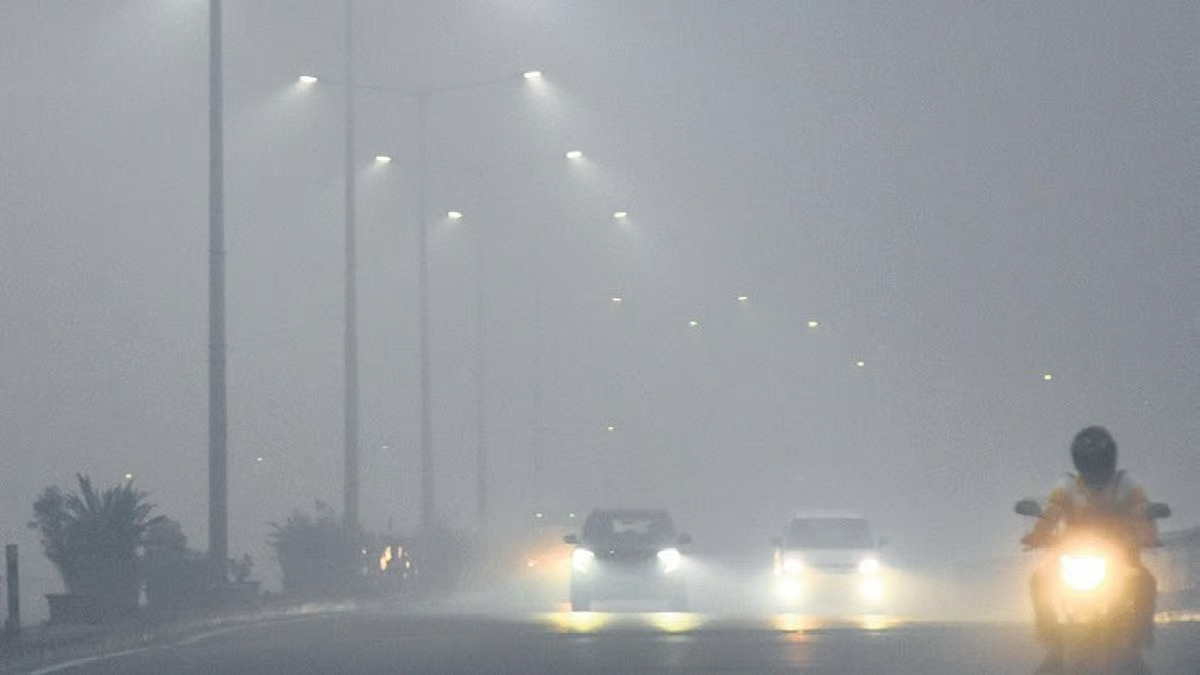
Air quality across Chennai deteriorated sharply during Bhogi celebrations this week, with particulate pollution rising across all monitored zones and pushing several dense neighbourhoods into unhealthy air quality categories. While the city avoided a blanket smog episode, official monitoring data show that festive burning significantly worsened breathing conditions, raising concerns for public health, mobility, and urban resilience in one of India’s fastest-growing metros.
According to data compiled by the state pollution regulator, air quality levels increased in every part of the city during Bhogi compared to the preceding days. Most municipal zones remained within the ‘moderate’ range, but four areas crossed into the ‘poor’ category as concentrations of fine and coarse particulate matter surged well beyond national safety thresholds. Urban planners note that even short-term pollution spikes can have disproportionate impacts in compact, high-density neighbourhoods where exposure levels are amplified. The monitoring exercise covered all Greater Chennai Corporation zones and tracked key pollutants including PM10, PM2.5, sulphur dioxide, and nitrogen dioxide over a 24-hour cycle. Before the festival, air quality indicators across the city were largely within satisfactory limits. On Bhogi day, however, particulate levels climbed steeply, reflecting the combined effect of early-morning bonfires, calm winter winds, and localised waste burning.
Fine particulate matter, which penetrates deep into the lungs and bloodstream, recorded the sharpest increase. Several residential and mixed-use zones registered PM2.5 levels nearly double the permissible daily standard, while PM10 levels crossed limits in multiple locations. Environmental health specialists warn that such conditions pose heightened risks for children, older residents, and people with asthma or cardiovascular disease, even if the pollution episode is short-lived. Although gaseous pollutants such as sulphur dioxide and nitrogen dioxide remained relatively stable, officials said particulate emissions alone were sufficient to degrade overall air quality. The pollution spike also had knock-on effects beyond public health. Aviation authorities confirmed minor operational disruptions at Chennai International Airport during early morning hours as reduced visibility complicated landing schedules, highlighting how festive emissions can interfere with critical transport infrastructure.
City agencies deployed preventive measures in the run-up to Bhogi, including night patrols, public messaging, and coordination with resident groups to discourage the burning of plastics, tyres, and other hazardous materials. Officials described the outcome as a “contained” rise in pollution, but acknowledged that no zone remained unaffected, underlining the limits of enforcement in a sprawling urban environment. Urban policy experts say the episode illustrates a recurring challenge for Indian cities striving toward cleaner, climate-resilient growth. “Seasonal and festival-related pollution events may be brief, but they expose structural gaps in waste management, community awareness, and enforcement capacity,” said an urban air quality analyst. For real estate developers and city planners, the data reinforce the need for neighbourhood-level interventions, cleaner public spaces, and stronger integration of environmental safeguards into urban expansion.
As Chennai continues to grow vertically and horizontally, managing episodic pollution linked to cultural practices will remain a critical test. Ensuring cleaner celebrations without eroding tradition is increasingly seen as part of building a healthier, more liveable city for residents and future investment.