


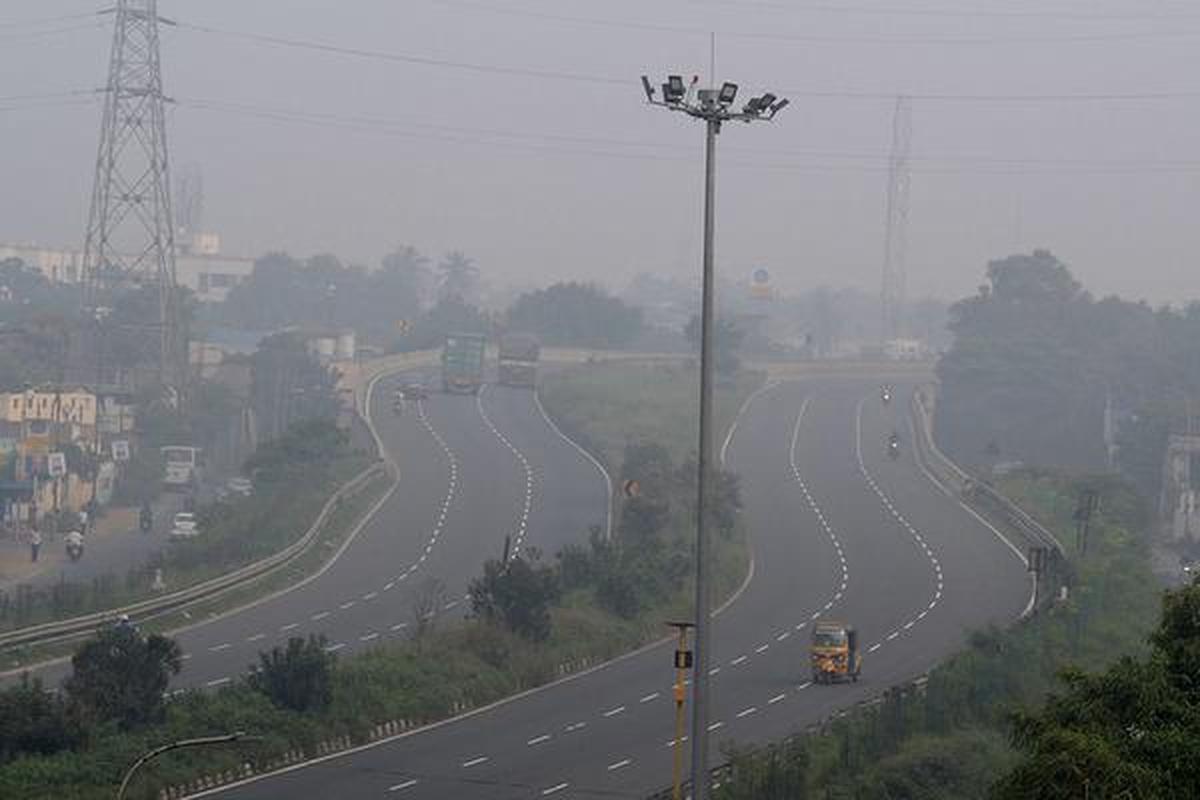
A three-day public exhibition in Chennai has turned invisible toxins into visible evidence, using art to document the scale and spread of Chennai air pollution across residential neighbourhoods, industrial belts and school zones. Hosted in Nungambakkam, the showcase combined scientific sampling with community storytelling, underlining how air quality is emerging as both a public health and urban planning crisis for India’s southern metropolis.
Over a month-long period, volunteers installed specially prepared glass plates coated with oil across 14 locations spanning north and south Chennai. The plates, left exposed to ambient air for more than 30 days, gradually trapped particulate matter. The resulting residue patterns — ranging from coarse ash to fine vehicular dust — offered a stark visual comparison of pollution loads in different parts of the city.Industrial-adjacent neighbourhoods in north Chennai showed dense deposits of ash and soot, particularly in areas located near thermal power infrastructure and petrochemical operations. In contrast, plates placed within tree-rich institutional campuses away from arterial roads accumulated lighter organic debris such as sand and dried leaves. Urban planners say such micro-level variation highlights how land use decisions, buffer zoning and green cover significantly influence exposure levels.
In southern localities, deposits of dust were linked by residents to landfill emissions, plastic recycling clusters and heavy traffic movement. Environmental analysts note that while official monitoring stations capture city-wide averages, community-level documentation of Chennai air pollution can reveal hyperlocal hotspots that disproportionately affect lower-income communities and informal settlements.The exhibition also incorporated theatre performances and photographic documentation to present lived experiences. Students enacted scenes depicting industrial labour, respiratory illness and daily coping mechanisms such as carrying spare clothing in heavily polluted areas. Displayed alongside the smog plates were anonymised medical records and everyday objects, drawing attention to the intersection of air quality, housing location and occupational exposure.
Public health experts warn that prolonged exposure to fine particulate matter — especially PM2.5 — increases the risk of chronic respiratory disease, cardiovascular stress and reduced productivity. For a rapidly expanding urban region seeking investment in manufacturing, logistics and real estate, deteriorating air quality poses long-term economic costs. Developers and infrastructure agencies are increasingly being urged to integrate dust mitigation, green buffers and emission controls into project design.Urban policy specialists argue that citizen-led evidence gathering can complement regulatory data by informing ward-level interventions. These may include stricter industrial emission oversight, electrification of public transport fleets, scientific landfill management and expanded urban forestry. Transparent disclosure of neighbourhood-level data, they say, would also strengthen accountability.
The Nungambakkam exhibition drew several hundred visitors, including students and community groups. Organisers indicated that similar documentation efforts may continue. As Chennai positions itself as a resilient coastal and industrial hub, the question is no longer whether air quality matters — but how quickly governance systems can respond to what residents are already breathing.
Also Read:Bengaluru Techies Rethink Home Loans Amid AI Fears
Chennai Air Pollution Art Exhibit Raises Alarm
