Chennai Advances New Metro Project With USD 240 Million Multilateral Funding
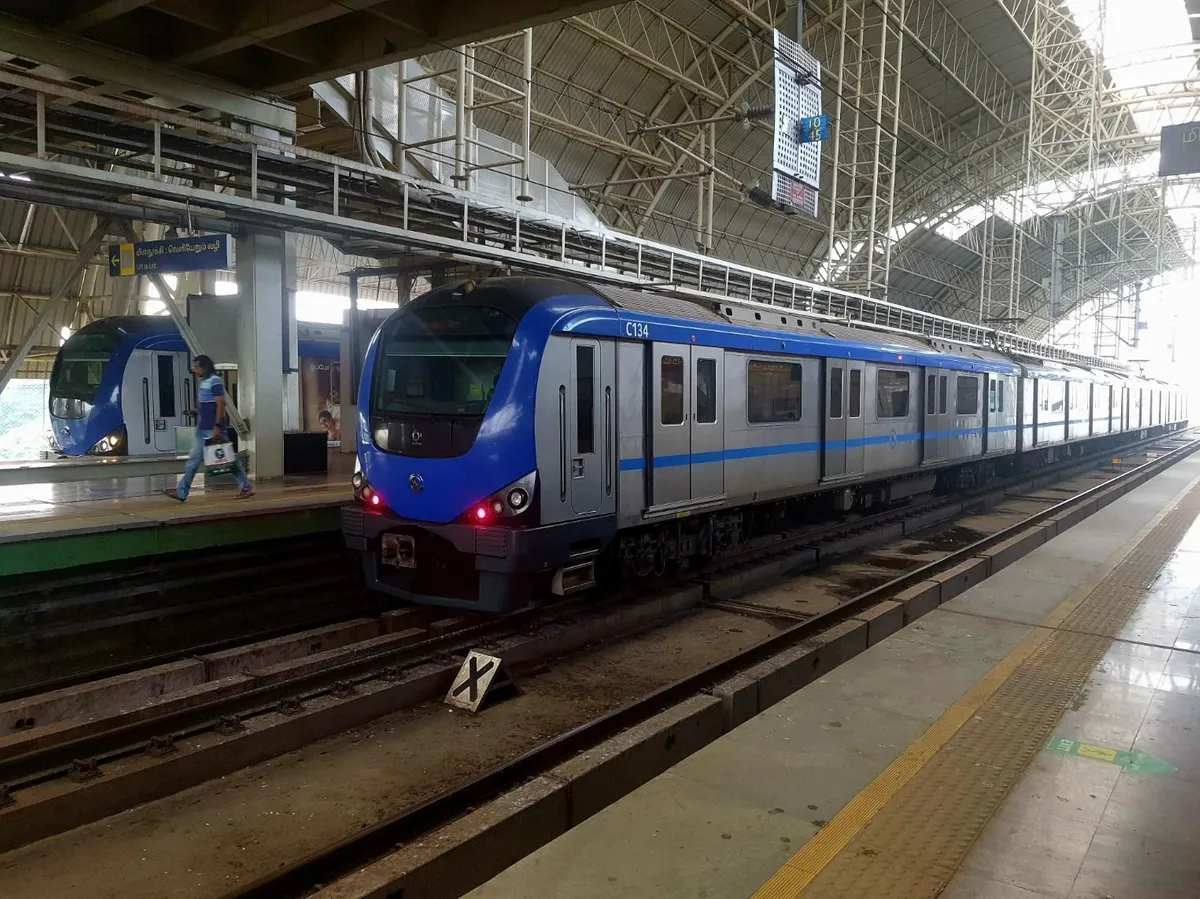
Chennai has advanced a new metro rail project after securing USD 240 million in multilateral funding, marking a significant step in the city’s next phase of urban transport expansion. The financing is expected to accelerate construction of new corridors, strengthen system capacity, and improve network integration across key growth zones. The project underlines Chennai’s strategy to address rising commuter demand while steering urban mobility towards a more efficient, low-emission future.
The funding approval reinforces confidence in Chennai’s long-term metro development plan, which is designed to support rapid population growth and increasing travel demand. Officials involved in the project said the new phase will focus on extending connectivity to emerging residential and commercial clusters, easing pressure on arterial roads that are already operating beyond capacity.Urban transport experts point out that Chennai’s metro expansion is no longer just a mobility project but a structural intervention in how the city grows. By prioritising mass rapid transit, the city aims to limit car-dependent sprawl while encouraging denser, transit-oriented development. This approach is expected to influence land values, commercial activity, and housing patterns along upcoming corridors.
According to an official associated with the project, the funding will also be used to adopt advanced signalling systems, energy-efficient rolling stock, and passenger-friendly station infrastructure. “The objective is to build a network that is reliable, safe, and accessible, while keeping long-term operating costs under control,” the official said. Integration with buses, suburban rail, and non-motorised transport is expected to remain a key design focus.The metro project is also seen as an economic catalyst. Construction activity is likely to generate employment across engineering, manufacturing, and allied services, while improved connectivity could enhance productivity by cutting travel times across the metropolitan region. Industry analysts note that such infrastructure-led growth is increasingly important as cities compete for investment and talent.At the same time, planners caution that execution discipline will be critical. Large-scale urban rail projects often face challenges related to land acquisition, utility relocation, and coordination between agencies. Ensuring minimal disruption to neighbourhoods and maintaining transparency in project timelines will be essential to sustaining public trust.
As climate concerns intensify and fuel costs remain volatile, Chennai’s emphasis on expanding metro rail reflects a broader shift among Indian cities towards cleaner, more resilient transport systems. The success of this new project could shape how future urban infrastructure investments balance economic growth with environmental responsibility and inclusive access.