


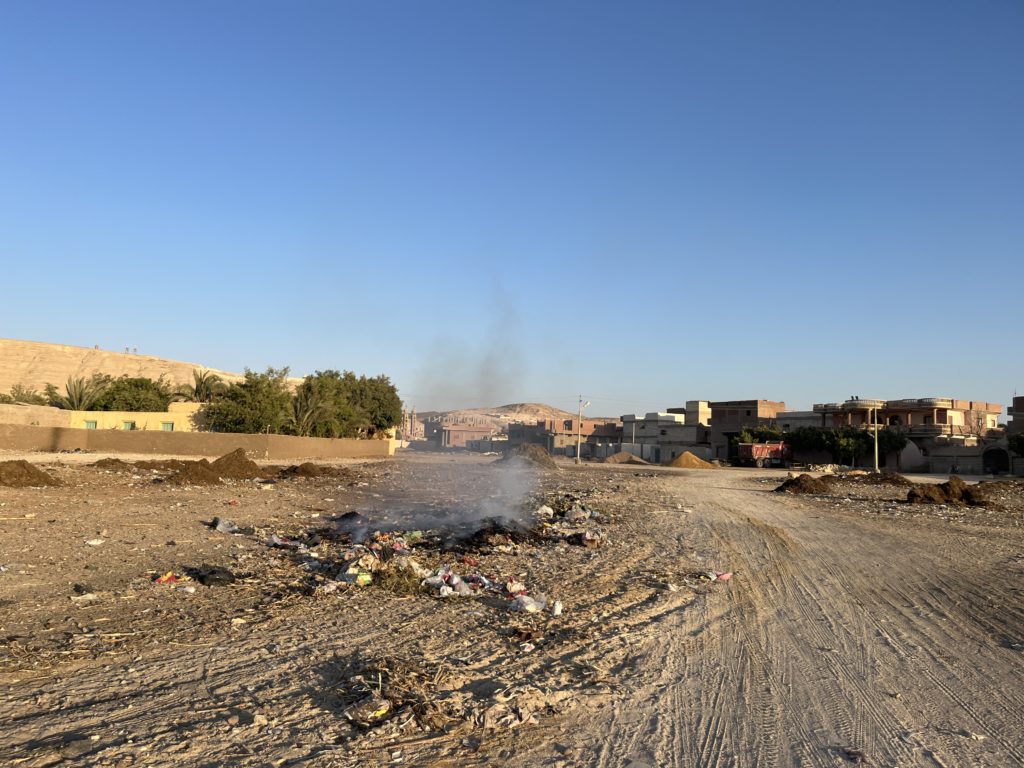
Unregulated waste burning beneath a railway flyover in Chengalpattu has triggered growing concern among residents, highlighting persistent gaps in urban waste management and public health safeguards in fast-expanding peri-urban regions. The affected location sits close to a major transit corridor and commercial node, making the issue both a neighbourhood health risk and a wider civic safety challenge.
Residents report that mixed municipal waste, including plastic and other non-biodegradable material, is routinely dumped under the flyover and set alight, largely during night hours. The resulting smoke is said to spread across adjoining service roads and elevated stretches, affecting pedestrians, two-wheeler riders, autorickshaw users and nearby households. Locals describe visibility dropping sharply during early mornings, when smoke combines with seasonal fog to form a dense haze over the roadway.Urban health experts note that open burning of waste releases fine particulate matter and toxic gases that can aggravate respiratory conditions, particularly among children, the elderly and people with pre-existing illnesses. In areas where residential zones intersect with transport infrastructure, such exposure can quietly compound long-term public health costs while increasing the risk of traffic accidents.
The flyover zone also lies close to multiple educational institutions, including schools catering to younger children. Parents in the neighbourhood say regular exposure to polluted air during school hours raises concerns about cumulative health impacts. Urban planners point out that schools are often located along arterial roads in smaller cities, making enforcement of clean-air buffers and waste controls especially critical.Beyond health and safety, the site carries cultural and spatial significance. Local historians and civic groups have flagged that the land around the flyover is believed to overlap with historically important urban fabric. The informal conversion of such spaces into dumping grounds reflects a broader failure to integrate heritage, land-use planning and environmental governance as towns expand.
Municipal officials have stated that the waste burning is not part of authorised civic operations. According to administrators, complaints indicate that unidentified individuals transport refuse from other areas and ignite it illegally. Coordination with law enforcement agencies is reportedly underway to monitor the site, restrict access and deter repeat violations.However, environmental policy analysts argue that enforcement alone may not resolve the issue. They point to the need for decentralised waste processing, better surveillance of vulnerable infrastructure zones and clearer accountability between urban local bodies and rail authorities. Flyover spaces, often falling into administrative grey zones, frequently become hotspots for dumping, encroachment and unsafe activity.
As Chengalpattu continues to grow as a commuter town within the wider Chennai region, the episode underscores a larger urban challenge: ensuring that infrastructure-led growth does not sideline basic environmental and public health protections. The next steps will depend on whether civic agencies can translate complaints into sustained on-ground action, restoring both air quality and public confidence in shared urban spaces.
Also Read:Chennai Metro Phase Two Elevated Sections Nearing Completion
Chengalpattu Waste Burning Raises Public Health Alarms
