Chandigarh’s Swachh Rose Festival Spotlights Zero Waste
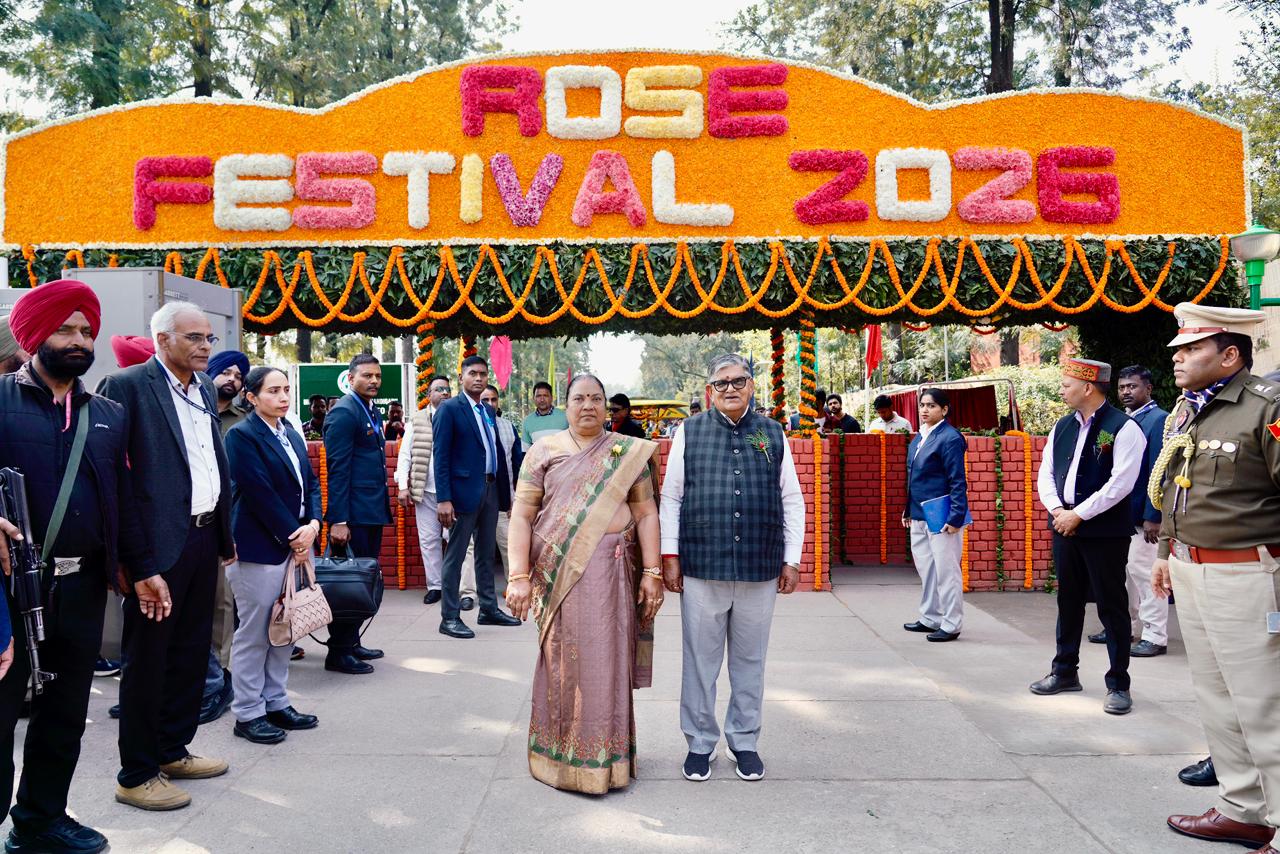
Chandigarh — The 54th Swachh Rose Festival concluded this week at the Zakir Hussain Rose Garden in Sector 16, attracting thousands of residents and visitors while reinforcing the city’s evolving approach to sustainable urban events and public space management.
Uniquely organized under a “Zero Budget, Zero Waste” model, the three-day floral celebration combined horticulture, arts and community participation without drawing on Municipal Corporation funds — and aligned with the city’s broader commitment to environmental stewardship and civic engagement. Officials and civic leaders framed the festival’s conclusion as a success both culturally and environmentally. At the closing ceremony, attended by the UT Chief Secretary and city mayor, authorities highlighted that the event was executed without spending from the municipal budget, instead leveraging innovative revenue generation and community support. Organisers also credited the “Zero Waste” implementation for reducing on-site refuse and promoting responsible behaviour among visitors — a practical application of Swachh Survekshan principles focused on cleanliness and sustainability.
Urban sustainability experts say the “Zero Budget, Zero Waste” approach is significant not just as a one-off effort but as a model for future urban programming. As Indian cities grapple with escalating event-generated waste and rising expectations for liveability, integrating waste-avoidance strategies into populous gatherings can reduce municipal disposal burdens, lower carbon footprints and support circularity in public consumption patterns. Such practices also dovetail with national objectives encouraging local governments to adopt zero waste events as part of urban sanitation frameworks. The festival itself featured a broad array of activities, from floral displays and photography exhibitions to cultural performances, traditional dance and community competitions. Prizes were awarded in multiple categories including art, music and senior citizen sections, offering a platform for local talent to gain recognition. These cultural elements helped sustain high footfalls while promoting inclusive participation across age groups.
Public engagement was a focal point of festival programming. Beyond entertainment, the event incorporated awareness elements linked to environmental behaviour — such as educational exhibits on litter avoidance, waste segregation and responsible consumption — turning a popular celebration into a forum for civic learning. Similar themed engagements have gained traction in urban India, where local bodies increasingly seek to embed sustainability messaging into cultural and recreational experiences. The festival’s organisers also announced that similar community-oriented events will be held throughout the year, reflecting a strategy to integrate arts, culture and environmental consciousness into the fabric of city life. By decentralising such events to different neighbourhoods, planners aim to boost accessible public programming, enhance local identity and strengthen connections between residents and the built environment.
Urban planners highlight a broader lesson from Chandigarh’s approach: large, well-attended events do not need to compromise on sustainability to be successful. When backed by careful planning — including advance waste avoidance policies and community participation — festivals can become testbeds for low-impact urban experiences that educate, celebrate and protect public assets. In a time when Indian cities are steering toward both climate resilience and enhanced quality of life, such scalable models offer valuable precedent for integrating eco-friendly infrastructure and culture-first governance.